

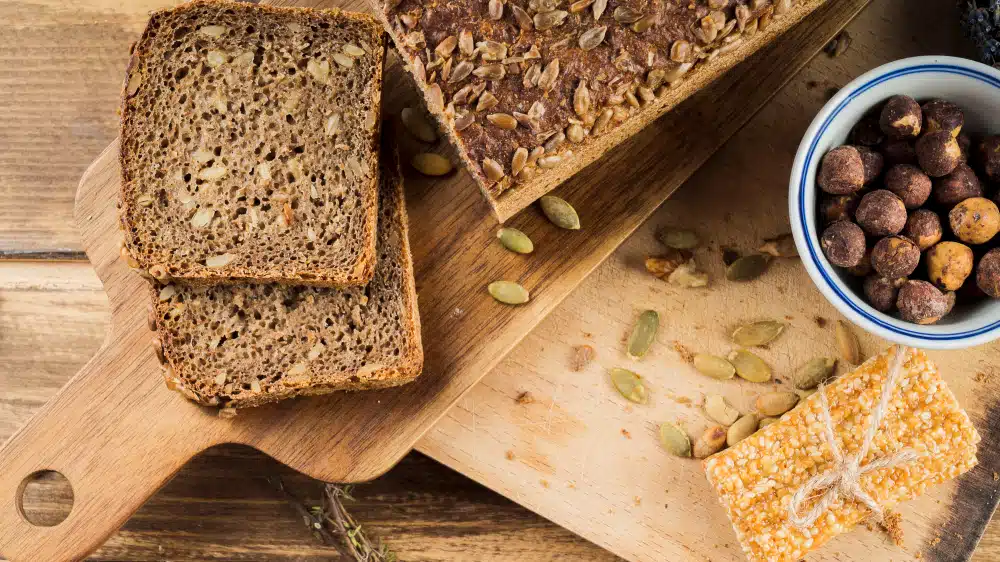
When it comes to bread, many people are unsure of what options are healthiest. The healthiness of bread can vary significantly, and understanding this is crucial for making informed dietary choices. In this article, we will explore the healthiest types of bread, according to a dietitian. This guide will not only provide insights into different bread types but will also support you in making healthier choices for your meals.
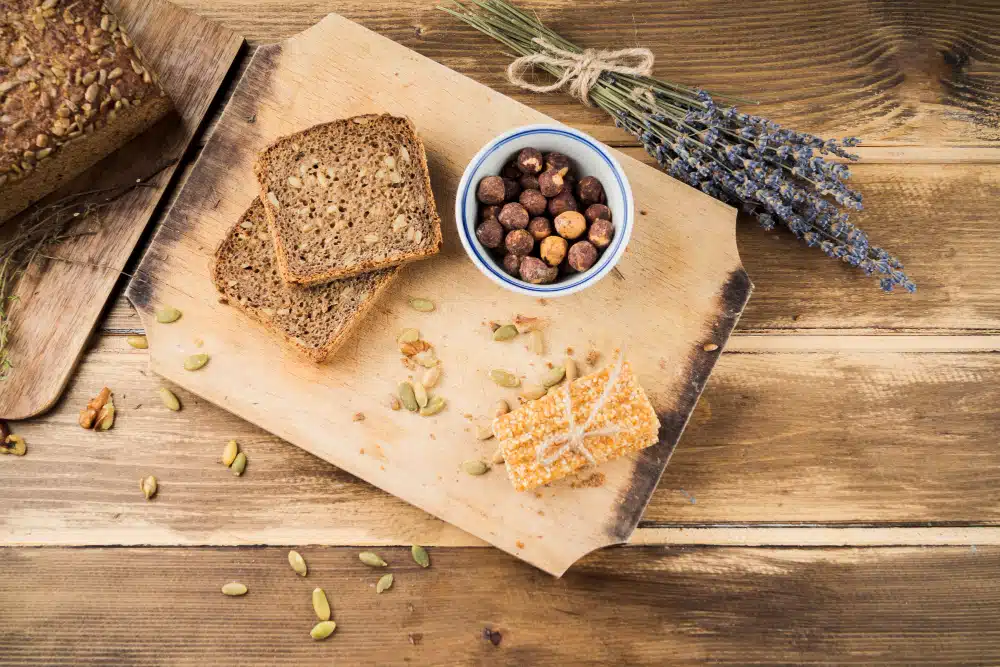
Understanding Bread: A Nutritional Perspective
Bread has been a staple food for centuries across various cultures. Its nutritional value largely depends on the ingredients used and the method of preparation. Below, we’ll discuss the types of bread and what makes them healthy or less desirable.
What Makes Bread Healthy?
To determine the healthiest types of bread, according to a dietitian, we need to examine a few key factors:
- Whole Grains: Look for bread made from whole grains. These contain more nutrients and fiber than refined grains.
- Added Ingredients: Breads with additional nutrients such as seeds, nuts, or whole grains offer more health benefits.
- Low Sugar and Sodium: Health-conscious consumers should choose breads with minimal added sugars and salt.
The Healthiest Types of Bread, According to a Dietitian
1. Whole Grain Bread
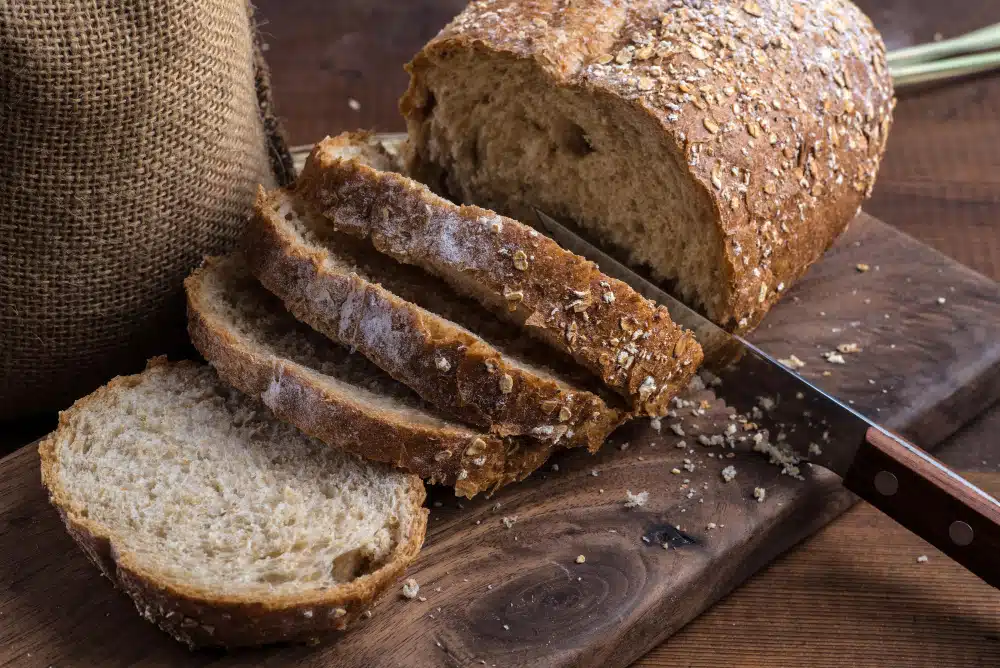
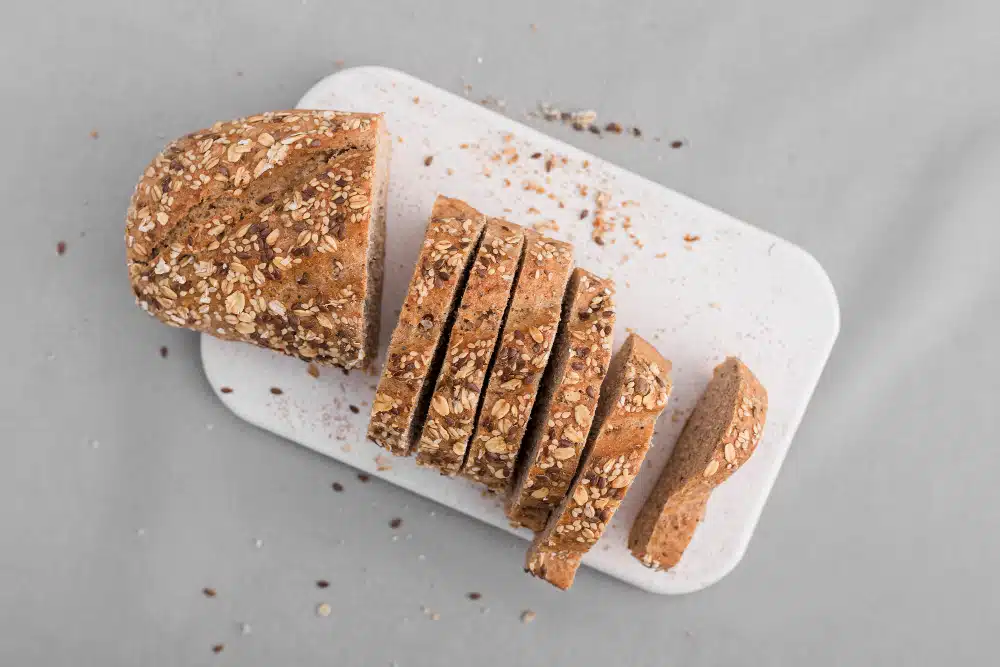
One of the most recommended choices is whole grain bread. This type of bread retains all parts of the grain: the bran, germ, and endosperm.
Benefits of Whole Grain Bread
- High in Fiber: Whole grain bread typically contains more fiber, promoting digestive health.
- Nutrient-Rich: It provides essential nutrients such as B vitamins, iron, magnesium, and antioxidants.
- Lower Glycemic Index: Whole grains can help control blood sugar levels compared to their refined counterparts.
2. Sprouted Bread
Sprouted bread is made from whole grains that have begun to sprout. This process improves their nutritional profile.
Benefits of Sprouted Bread
- Increased Nutrients: Sprouting increases the availability of vitamins, minerals, and proteins.
- Easier Digestion: The sprouting process breaks down some starches, making it easier to digest.
- Lower Gluten Content: Some people find sprouted bread easier to tolerate, as it often contains less gluten.
3. Sourdough Bread
Sourdough bread is unique due to the fermentation process that gives it a tangy taste and chewy texture.
Benefits of Sourdough Bread
- Probiotic Content: The fermentation process can enhance gut health by introducing beneficial bacteria.
- Lower Glycemic Response: Sourdough has a lower glycemic index compared to regular bread, which may help maintain stable blood sugar levels.
- Increased Nutrients: The fermentation process can increase the availability of nutrients, similar to sprouted bread.
4. Oat Bread
Bread made from oats is gaining popularity due to its unique qualities and health benefits.
Benefits of Oat Bread
- Heart Health: Oats are known for their cholesterol-lowering properties and contribute to cardiovascular health.
- High in Fiber: Oat bread typically has a high fiber content, which aids in digestion and satiety.
- Rich in Antioxidants: Oats are also rich in antioxidants, providing additional health advantages.
5. Rye Bread
Rye bread is often denser and darker than other breads. It can be a flavorful addition to your diet.
Benefits of Rye Bread
- High in Fiber: Rye bread usually contains more fiber than white bread.
- Satiety: Consuming rye bread can lead to increased feelings of fullness.
- Nutritional Value: Rye is rich in B vitamins, iron, and magnesium.
Lesser-Known Healthy Bread Options
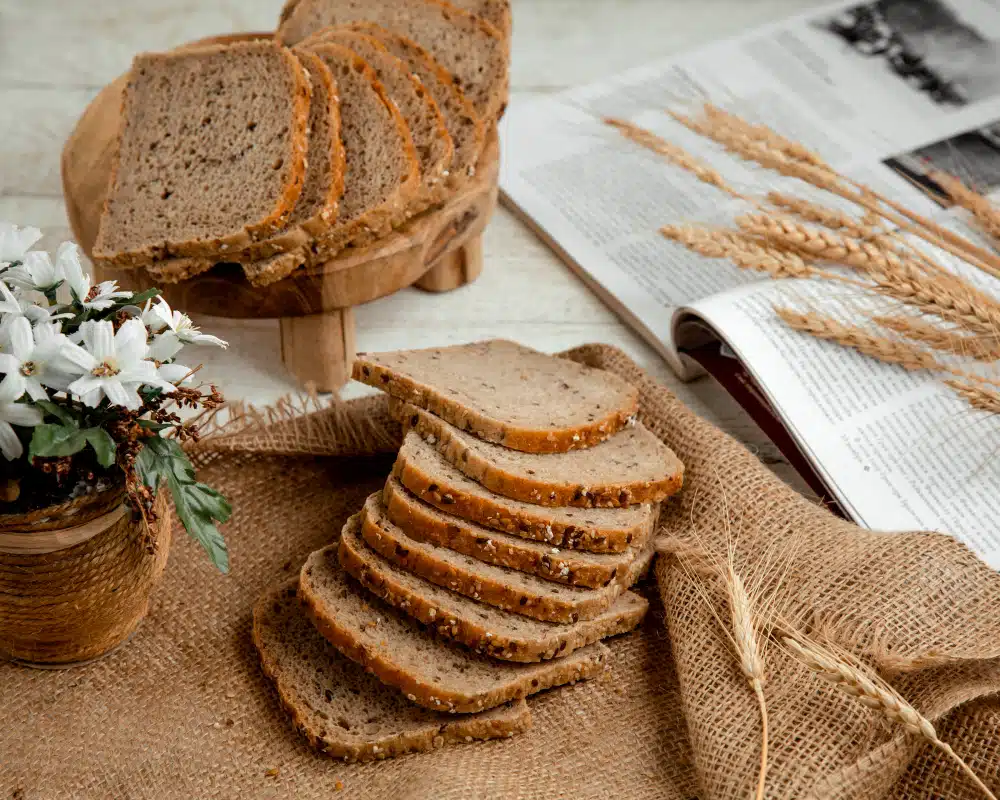
While the above types are widely recognized, several other types of bread can also be included in a healthy diet.
6. Ezekiel Bread
Ezekiel bread is made from sprouted whole grains and legumes, offering a protein-packed option.
- High Protein Content: This bread is a complete protein source, suitable for vegetarians.
- Nutritionally Dense: It contains a range of vitamins and minerals due to the variety of ingredients.
7. Gluten-Free Bread
For those with gluten intolerance or celiac disease, gluten-free bread options are essential.
- Variety of Grains: Often made using almond flour, rice flour, or buckwheat.
- FSD-Wheat Alternative: Provides necessary nutrients without the gluten.
8. Flatbreads
Certain flatbreads, such as whole grain pita or naan, can also be healthy choices if made from whole grains.
- Versatile: Great for wraps or as an accompaniment to meals.
- Less Filling: Often lower in calories than thick sliced breads.
What to Avoid in Bread
When considering the healthiest types of bread, according to a dietitian, it’s equally important to recognize what to avoid:
- Refined Bread: White bread made from refined flour lacks nutritional value and fiber.
- Added Sugars: Many commercial breads add sugars for flavoring; check labels carefully.
- Preservatives: Look for breads with fewer ingredients and minimal additives.
Tips for Choosing Healthy Bread
- Check the Ingredients List: Choose brands where whole grains are the first ingredient listed.
- Look for Fiber Content: Aim for at least 3 grams of fiber per slice.
- Watch for Added Sugars and Fats: A slice should ideally contain no more than 1-2 grams of sugar and minimal fat.
Frequently Asked Questions (FAQs): The Healthiest Types of Bread, According to a Dietitian
1. What is the healthiest type of bread?
Whole grain bread is often considered the healthiest because it retains important nutrients and is high in fiber.
2. Is sourdough bread healthier than white bread?
Yes, sourdough has a lower glycemic index and contains probiotics, making it healthier than white bread.
3. Can I eat bread while on a weight loss diet?
Yes, you can eat bread while losing weight by choosing healthier options like whole grain or sprouted bread and watching portions.
4. What’s the difference between whole grain and whole wheat bread?
Both contain whole grains, but whole grain can include a variety of grains, while whole wheat is specifically made from wheat.
5. Is gluten-free bread healthier than regular bread?
Not necessarily; it depends on the ingredients. Some gluten-free breads can be lower in nutrients compared to whole grain options.
Conclusion
In summary, understanding the healthiest types of bread, according to a dietitian, is key to making better dietary choices. Whole grain, sprouted, sourdough, and oat bread each offer unique benefits that can enhance your nutrition. Remember to check ingredients and nutrition labels to ensure you are making the healthiest choices.
For those looking to boost their diet, be proactive and incorporate these healthier bread options into your meals. Start today by exploring new recipes or trying out different brands during your next grocery trip!