

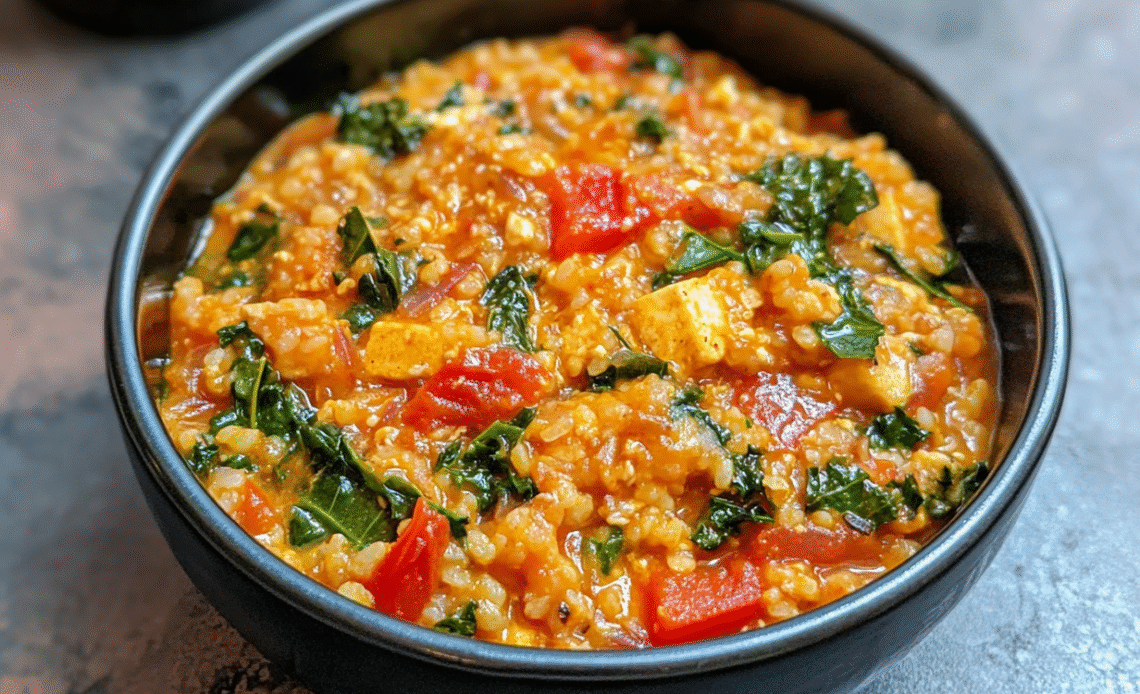
Exploring global cuisines while maintaining a sugar-free lifestyle often leads to delightful discoveries of traditional dishes that are naturally wholesome and balanced. Nigerian cuisine, with its rich flavors and diverse ingredients, offers many such gems. Today, we’re excited to introduce a healthy reinvention of a classic West African combination: Oat Fufu with Kale Riro. This dish maintains the soul-satisfying essence of traditional Nigerian meals while incorporating modern nutritional wisdom, proving that cultural comfort food can be both authentic and exceptionally good for you.
What Is Oat Fufu with Kale Riro and Why Does It Matter?
Traditional fufu is a staple across many West African countries, typically made from starchy root vegetables like cassava, yams, or plantains that are boiled, pounded, and formed into smooth dough-like balls. It’s traditionally served with various soups and stews, with Riro being a flavorful Yoruba stew. While nutritious, traditional fufu can be high in carbohydrates and requires significant preparation time.
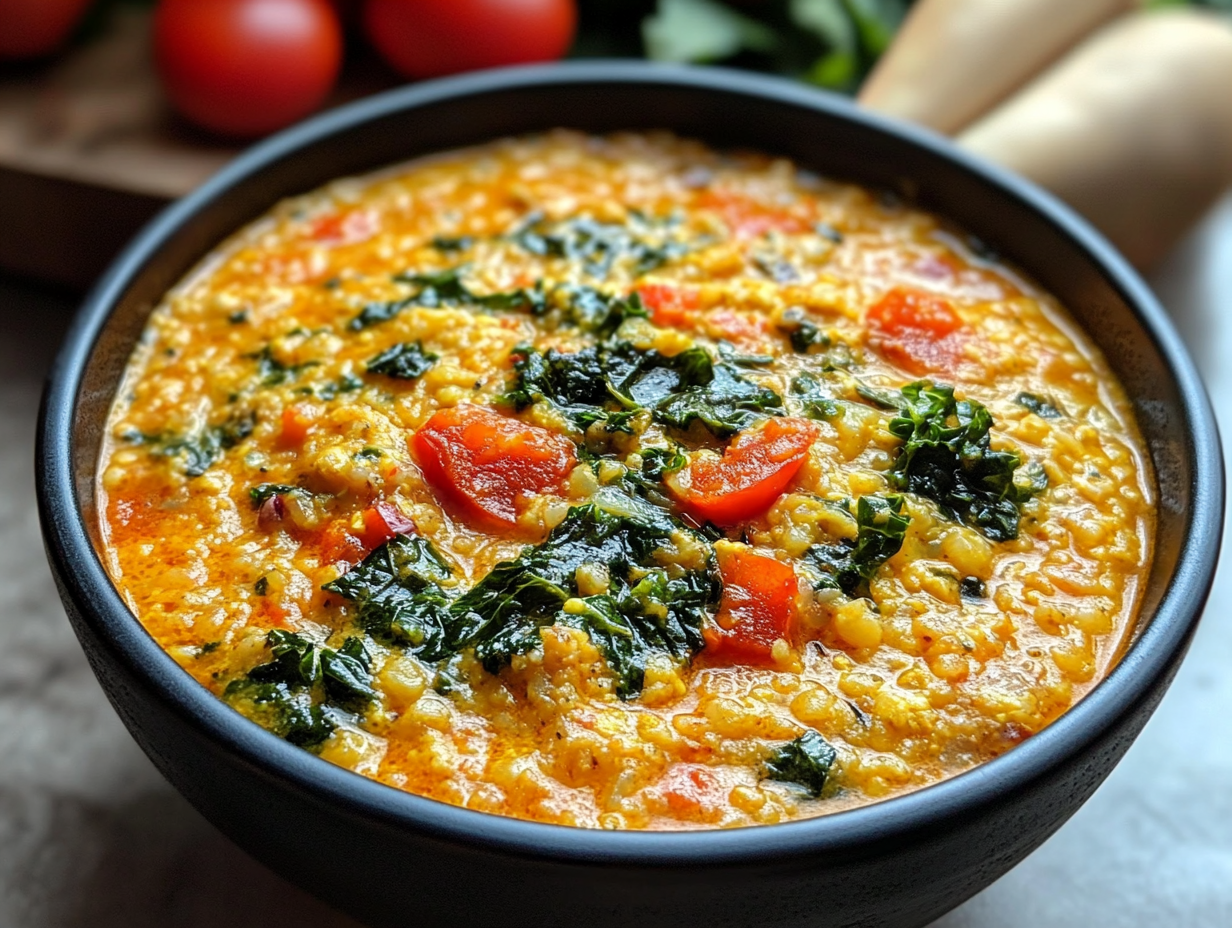
Our Oat Fufu with Kale Riro offers a contemporary, health-conscious approach to this beloved combination. The innovation begins with the fufu itself—we’ve replaced traditional starches with porridge oats, creating a version that’s higher in fiber and easier to prepare. The Riro stew gets a nutritional boost from the addition of kale, a leafy green powerhouse, while maintaining the complex, umami-rich flavors that define traditional Nigerian cooking. This approach to Oat Fufu with Kale Riro makes this cultural dish more accessible and aligned with modern nutritional understanding, while still honoring its traditional roots.
The Powerful Health Benefits in This Cultural Dish
This reimagined Oat Fufu with Kale Riro transforms a cultural staple into a nutritional powerhouse:
- The Oat Fufu Advantage: By using oats instead of traditional starches, we significantly increase the fiber content. Oats are rich in beta-glucan, a type of soluble fiber known for its cholesterol-lowering effects and ability to support healthy blood sugar levels. They also provide sustained energy release, making this Oat Fufu with Kale Riro particularly beneficial for maintaining stable energy.
- Kale’s Nutritional Power: Kale is one of the most nutrient-dense foods available, packed with vitamins A, K, and C, along with antioxidants like quercetin and kaempferol. Its addition to the Riro stew significantly boosts the dish’s vitamin and mineral content without compromising flavor.
- Protein-Rich Components: The prawns and crayfish provide high-quality protein while contributing to the stew’s deep, savory flavor. Prawns are particularly rich in selenium and iodine, essential minerals for thyroid function and antioxidant defense.
- Traditional Ingredients with Modern Benefits: Locust beans (iru) are a traditional West African seasoning that adds not only authentic flavor but also probiotics and digestive benefits. Garden eggs (white aubergines) contribute additional fiber and nutrients.
- Dietary Compatibility: This recipe is naturally sugar-free and can be adapted for various dietary needs. For a gluten-free version, ensure your oats are certified gluten-free.
Navigating the Challenges of Authentic Flavors with Healthy Twists
Creating this Oat Fufu with Kale Riro requires balancing traditional techniques with modern adaptations:
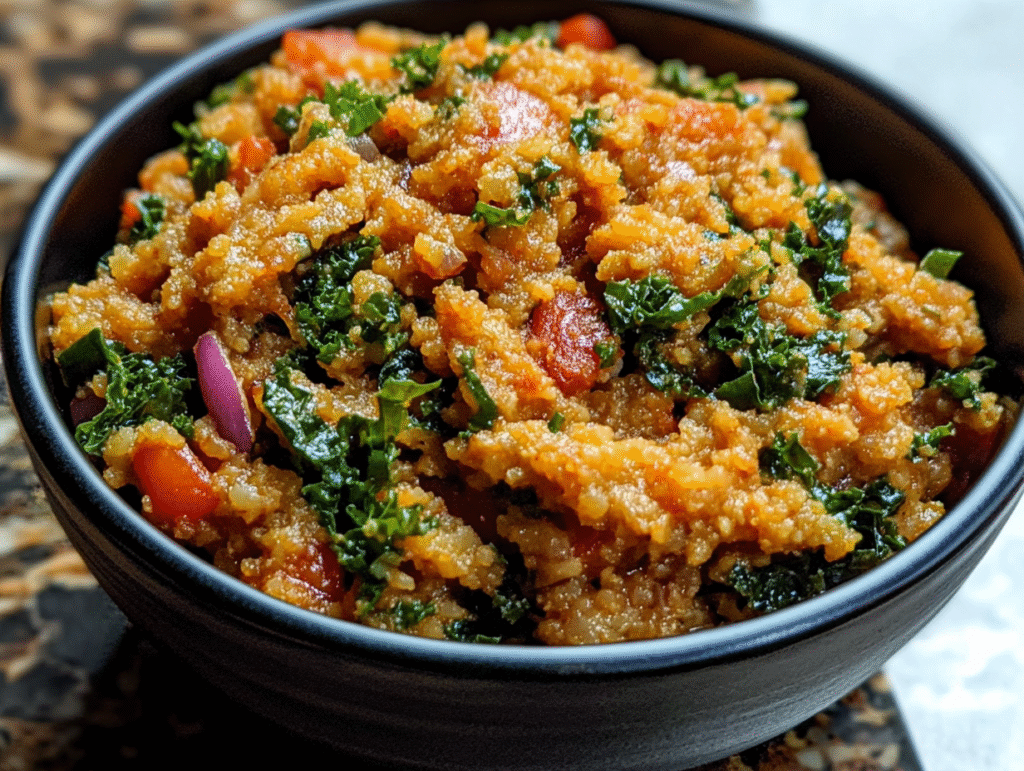
- Achieving the Right Fufu Consistency: Oat fufu has a different texture than traditional versions. The key is getting the water ratio right—too much water makes it sticky, while too little makes it crumbly. Let the mixture rest covered for a few minutes after mixing to allow the oats to fully absorb the water.
- Building Complex Flavors: Traditional Riro relies on slow-cooked depth. Don’t rush the cooking process—allow the tomatoes and peppers to cook down properly to develop their sweetness and depth. The locust beans should be added at the right stage to infuse their unique flavor without becoming bitter.
- Sourcing Authentic Ingredients: Locust beans, garden eggs, and dried crayfish might require a trip to an African grocery store or online retailer. Each contributes essential flavors, so try not to omit them if possible.
Tips and Trends for Modern Healthy Cooking
This Oat Fufu with Kale Riro represents the growing trend of adapting traditional dishes to modern nutritional standards while preserving cultural authenticity. Using AI meal planners can help you incorporate diverse global cuisines into your healthy eating routine. The movement toward whole-food substitutions, like using oats instead of refined starches, aligns with contemporary nutritional science. Exploring traditional fermentation ingredients like locust beans connects us to ancient food wisdom that modern science is now validating for their probiotic benefits.
Frequently Asked Questions
Question: Can I make the oat fufu ahead of time?
Answer: Oat fufu is best served immediately after preparation as it can become gummy when reheated. You can prepare the Riro stew ahead of time and make the fufu fresh when ready to serve.
Question: What can I use if I can’t find locust beans?
Answer: While locust beans provide a unique flavor, you can substitute with a small amount of fermented black bean paste or miso paste for a similar umami depth, though the flavor profile will be different.
Question: Is this dish suitable for people with shellfish allergies?
Answer: For shellfish allergies, omit the prawns and crayfish. You can add firm tofu, chicken, or additional vegetables like mushrooms for protein.
Question: Can I use instant oats for the fufu?
Answer: Traditional porridge oats work best as they provide the right texture. Instant oats may become too mushy. Steel-cut oats would require longer cooking time and more liquid.
Conclusion
This Oat Fufu with Kale Riro beautifully demonstrates how traditional dishes can evolve to meet contemporary health needs without losing their cultural soul. It’s a celebration of Nigerian culinary heritage through a modern, health-conscious lens, offering both exceptional nutrition and deep, satisfying flavors.
We hope this recipe introduces you to the wonderful world of healthy Nigerian cuisine! Have you tried making oat fufu before? Share your experience with traditional African dishes in the comments below. For more globally-inspired, sugar-free recipes, explore the rest of sugardetoxlab.com.