

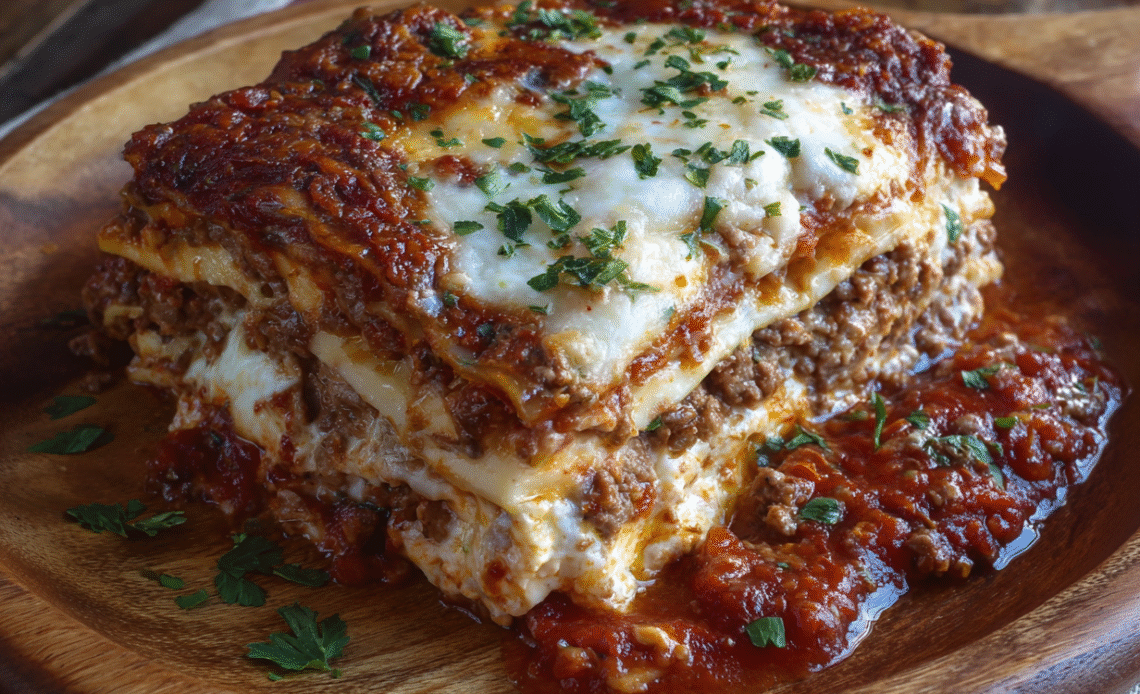
Comfort food is a powerful thing. It nourishes the soul, brings back memories, and often serves as the centerpiece for family gatherings. Yet, for those of us on a journey to reduce sugar and eat more consciously, classic comfort dishes can feel off-limits. They are frequently loaded with hidden sugars, refined carbohydrates, and excessive fats. But what if you could have that comfort without derailing your wellness goals? Today, we’re taking a beloved icon—the Traditional Lasagna Recipe—and giving it a thoughtful, health-conscious makeover. We’re preserving every bit of its hearty, cheesy, soul-warming essence while making smart swaps to support a sugar-detox lifestyle.
What Is a Traditional Lasagna Recipe and Why Does It Need a Rethink?
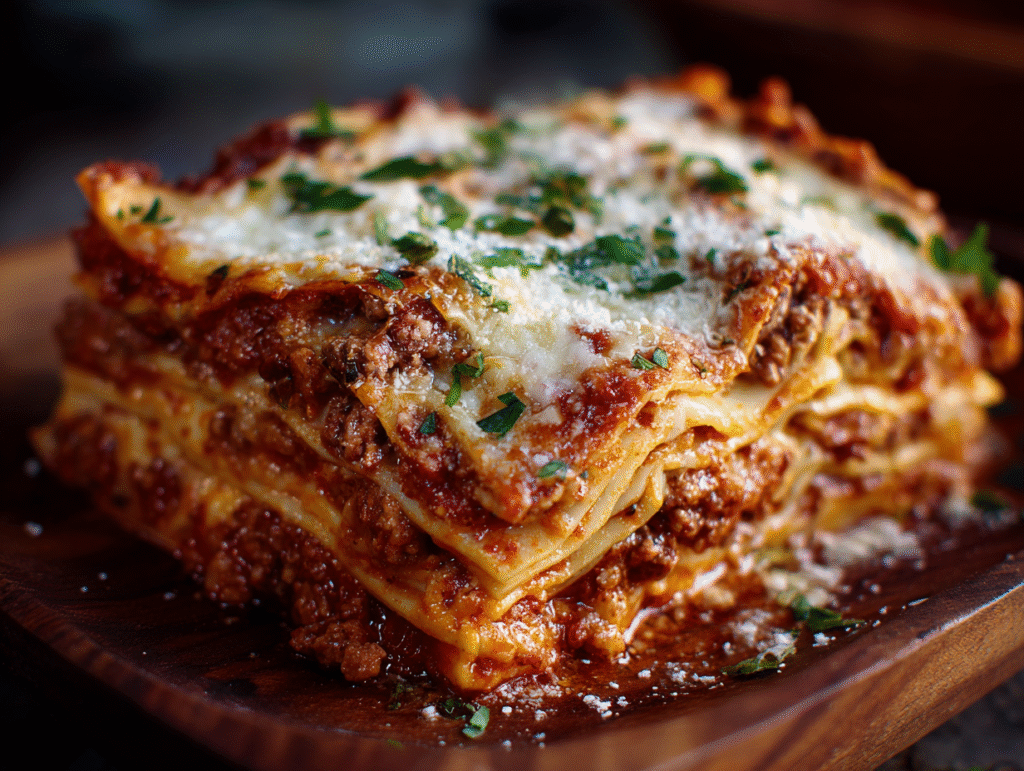
A classic traditional lasagna recipe is a magnificent, multi-layered construction of wide pasta sheets, a rich, slow-simmered meat ragù, creamy ricotta, and molten mozzarella and Parmesan cheeses. It’s a celebration of Italian-American cuisine, prized for its deep flavors and satisfying texture. Traditionally, it’s a labor of love, often simmering for hours.
However, from a nutritional standpoint, the traditional approach presents a few challenges for the health-conscious cook. The most notable in a classic Traditional Lasagna Recipe is the addition of granulated sugar to the tomato sauce—a common trick to balance the acidity of tomatoes. Furthermore, standard lasagna noodles are made from refined white flour, which can cause rapid spikes in blood sugar. While delicious, the classic Traditional Lasagna Recipe can be heavy, leaving you feeling sluggish.
Our reimagined traditional lasagna recipe matters because it proves that no food is forbidden. By addressing these key points—eliminating added sugar in the sauce and offering smart alternatives for the noodles—we create a dish that delivers all the comfort with ingredients that better align with stable energy and overall well-being. It’s about enjoying the foods you love, made lovingly for the body you care for.
Health Benefits of a Traditional Lasagna Recipe
This isn’t about stripping away flavor; it’s about enhancing the nutritional profile of every layer.
- The Power of Protein: Both ground beef and Italian sausage provide high-quality protein, essential for muscle repair, satiety, and keeping you full for hours. Protein helps moderate the glycemic impact of a meal.
- Tomatoes, the Lycopene Leader: Tomatoes, in all their canned forms (crushed, paste, sauce), are an excellent source of the antioxidant lycopene, which has been studied for its heart health benefits. Cooking tomatoes actually increases the bioavailability of lycopene.
- Herbs for Health: Beyond flavor, dried basil and oregano contain compounds with anti-inflammatory properties. They allow us to build deep flavor without relying on excess salt or sugar.
- Smart Dairy Choices: Ricotta and mozzarella offer calcium and protein. Using full-fat versions can contribute to a greater feeling of satisfaction. Parmesan cheese is rich in umami, allowing us to maximize flavor with a smaller quantity.
- Adaptable for Dietary Goals: The core recipe is already reduced-sugar. For a lower-carb or gluten-free version, simply swap the noodles for zucchini slices, eggplant planks, or gluten-free lasagna sheets. For a higher-protein twist, consider adding a layer of spinach or sautéed mushrooms to the ricotta mixture.
Challenges and Practical Tips for the Perfect Lasagna
Lasagna has a reputation for being time-intensive, but with strategy, it becomes manageable.
- The Time Investment: Yes, a from-scratch lasagna requires more time than a 30-minute meal. The key is to break it down. The sauce can be made 1-2 days in advance. Assembling the entire lasagna a day ahead and refrigerating it until baking is a fantastic time-saver.
- Balancing Acidity Without Sugar: This is the crucial skill for sugar-free cooking. Instead of sugar, we use two techniques: 1) A longer, slower simmer to allow the tomatoes’ natural sweetness to concentrate, and 2) the inherent umami and slight sweetness from tomato paste and grated carrots (a classic Italian soffritto addition, which you can include with the onions).
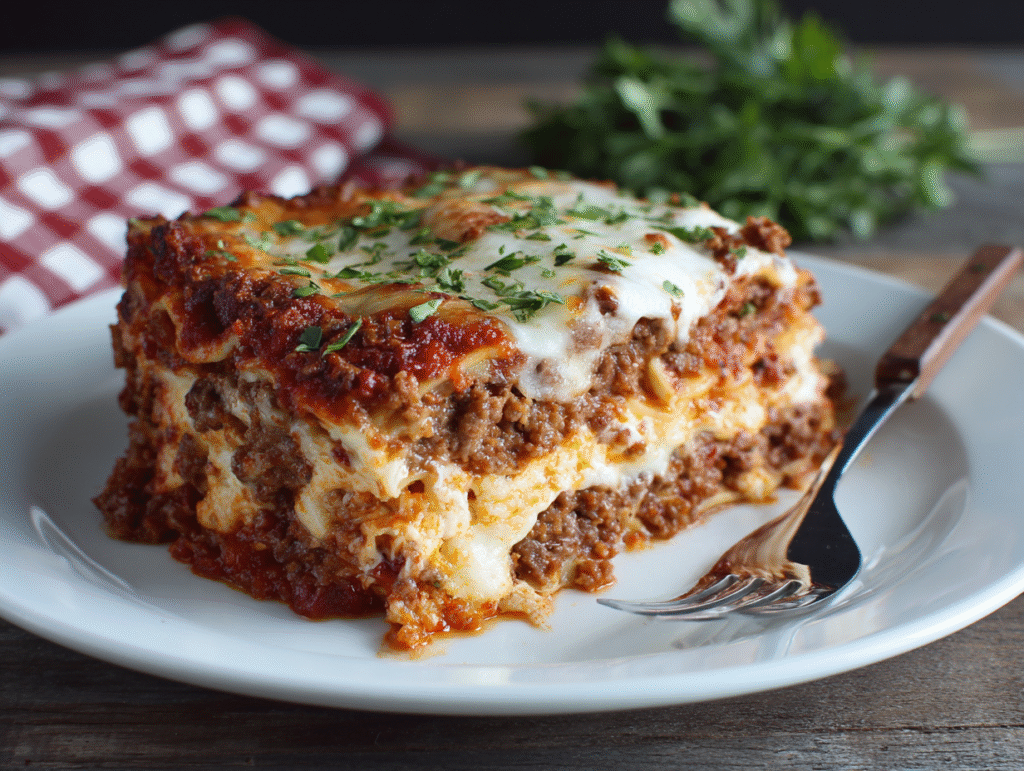
- Avoiding a Soupy Lasagna: The enemy of a perfect slice is excess moisture. Ensure your meat sauce is thick and robust before assembling. If using no-boil noodles, follow package liquid requirements precisely. Let the baked lasagna rest for a full 15-20 minutes before cutting; this allows the layers to set.
Tips and Trends for Modern, Healthy Cooking
Embracing a sugar-free lifestyle doesn’t mean missing out. Modern tools like AI-powered meal planners can help you seamlessly integrate recipes like this traditional lasagna recipe into your weekly plan, suggesting side salads or vegetable sides to complete the meal. The trend is moving towards “food as medicine,” using ingredients like herbs (basil, oregano) and aromatics (garlic, onion) not just for taste but for their inherent health properties. Investing in a good Dutch oven, as used here, is a trend that pays off—it allows for even simmering and is versatile for countless healthy, one-pot meals.
Frequently Asked Questions: Traditional Lasagna Recipe
Question: Why is there no sugar in this traditional lasagna recipe sauce? Doesn’t it need it?
Answer: Traditional recipes often add sugar to counteract the acidity of canned tomatoes. Our version relies on a longer simmer time, which caramelizes the tomatoes’ natural sugars, and the umami richness from tomato paste and meat to achieve a perfectly balanced, deep flavor without any added sugar.
Question: Can I use no-boil lasagna noodles in this recipe, and do I need to adjust the liquid?
Answer: Yes, no-boil noodles work very well and save a step. They are designed to absorb moisture from the sauce as they bake. Ensure your meat sauce is not too thick (it should be spoonable) and that you spread it evenly to cover all noodles. There’s typically no need to add extra liquid if your sauce is correct.
Question: How can I make this lasagna higher in protein and lower in carbs?
Answer: For a major protein boost and carb reduction, replace the pasta layer with slices of grilled or roasted portobello mushrooms or with thin slices of eggplant. You can also use legume-based, high-protein pasta if you prefer a noodle format. Increasing the lean ground beef proportion or adding a layer of cooked lentils to the meat sauce are other great options. You can read more about the role of dietary protein in nutrition.
Question: Is the red pepper flakes’ purpose just for heat, or does it add another dimension?
Answer: While they do add a subtle heat, their primary role in Italian cuisine is depth of flavor. The flakes provide a slight, fruity pungency that enhances the other flavors in the sauce, much like black pepper does. They are optional, but recommended even if you use just a pinch.
Question: What’s the science behind letting the lasagna rest after baking?
Answer: Resting allows the starches in the noodles and the proteins in the cheese and eggs to set. If cut immediately, the hot, loose layers will slide apart, creating a soupy mess. A 15-20 minute rest lets everything firm up, ensuring you get a clean, defined slice that holds its shape on the plate. This is similar to the principle of resting a steak or roast.
Conclusion: Traditional Lasagna Recipe
This healthier traditional lasagna recipe is more than just dinner; it’s a declaration that your wellness journey can include all the flavors and comforts you cherish. By focusing on whole-food ingredients and eliminating hidden sugars, we’ve built a lasagna that nourishes the body as completely as it satisfies the soul. It’s a dish meant to be shared, enjoyed, and celebrated—guilt-free.
We encourage you to give this recipe a try on your next family night or meal-prep Sunday. Share your creations with us, and let us know how you made it your own. For more delicious, sugar-conscious recipes that never compromise on taste, explore the rest of our collection here at SugarDetoxLab.com.