
Have you ever found yourself reaching for a cookie after a long day, seeking that momentary bliss it provides? Or perhaps you’ve noticed an almost uncontrollable urge for a sugary drink in the afternoon, a craving that feels less like a choice and more like a command. This experience, far from being a simple matter of willpower, is deeply rooted in the intricate chemistry of your brain. The key player in this complex dance of desire and reward is a powerful neurotransmitter: dopamine. Understanding the profound connection between Sugar and Dopamine is the first, most empowering step toward breaking free from the cycle of cravings and reclaiming your health.
This article will journey into the heart of your brain’s reward system to unravel the scientific link between sweet foods and addiction-like behaviors. We will explore how sugar can hijack this primal system, leading to a cascade of effects that mirror classical addiction. More importantly, we will provide you with the knowledge and practical tools to reset this connection, paving the way for a healthier, more balanced relationship with food and a greater sense of well-being.
The Brain’s Reward System: A Sweet Deception
To understand the powerful pull of sugar, we must first look at the brain’s master of motivation: the reward system. This network, primarily driven by dopamine, is an evolutionary masterpiece designed to ensure our survival. It rewards us with a jolt of pleasure and satisfaction when we engage in life-sustaining activities, such as eating, drinking, and procreating, thereby reinforcing those behaviors.
Sugar’s Potent Hijack
Our ancestors encountered sugar in its natural, fibrous form, like in fruits, which provided a modest and slow release of energy. The modern diet, however, is saturated with highly refined and concentrated sugars that our brains were never designed to handle. When you consume these modern sugars, they trigger a flood of dopamine in the brain’s reward center, far more intense than what our ancestors experienced from natural food sources [1, 2]. This massive surge effectively hijacks the reward system, teaching your brain that this intensely sweet food is exceptionally valuable—more valuable, even, than the nutrient-dense foods your body truly needs.
The Dopamine Rollercoaster
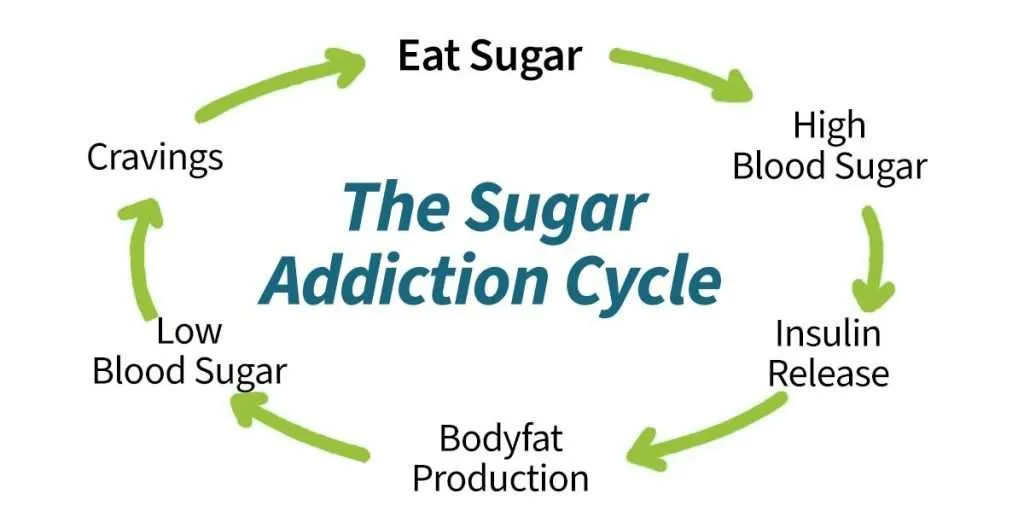
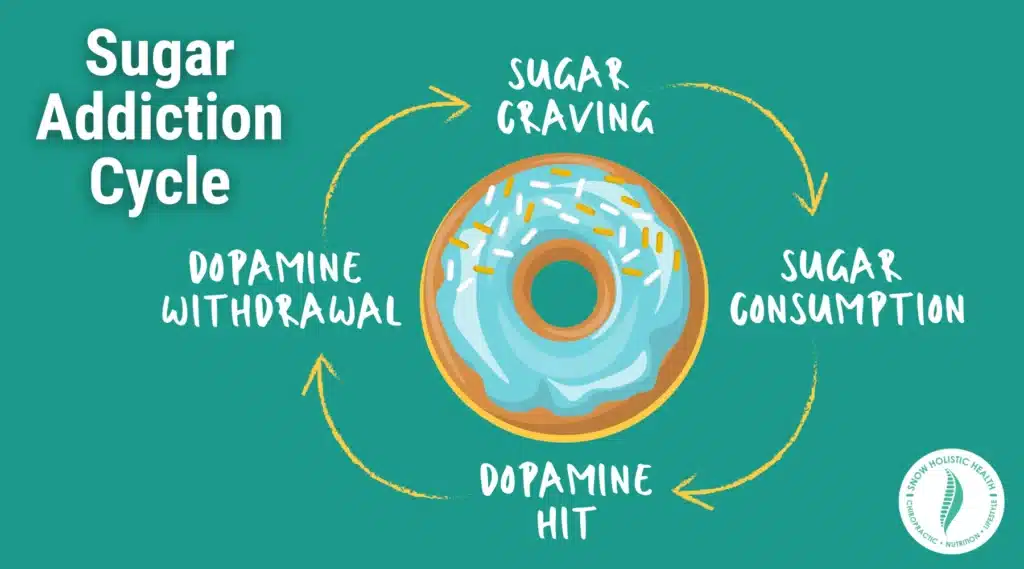
The intense pleasure from a sugar-induced dopamine surge is unfortunately short-lived. It is quickly followed by a sharp decline, or “crash,” leaving you feeling lethargic, irritable, and with an even stronger craving for another sugar hit to bring your dopamine levels back up [3]. This creates a vicious cycle: the more sugar you eat, the more you reinforce this pathway, and the more your brain learns to depend on it for feelings of pleasure and reward. This rollercoaster of highs and lows is a central feature of the Sugar and Dopamine connection and a key driver of compulsive eating behaviors.
From Craving to Compulsion: The Hallmarks of Addiction
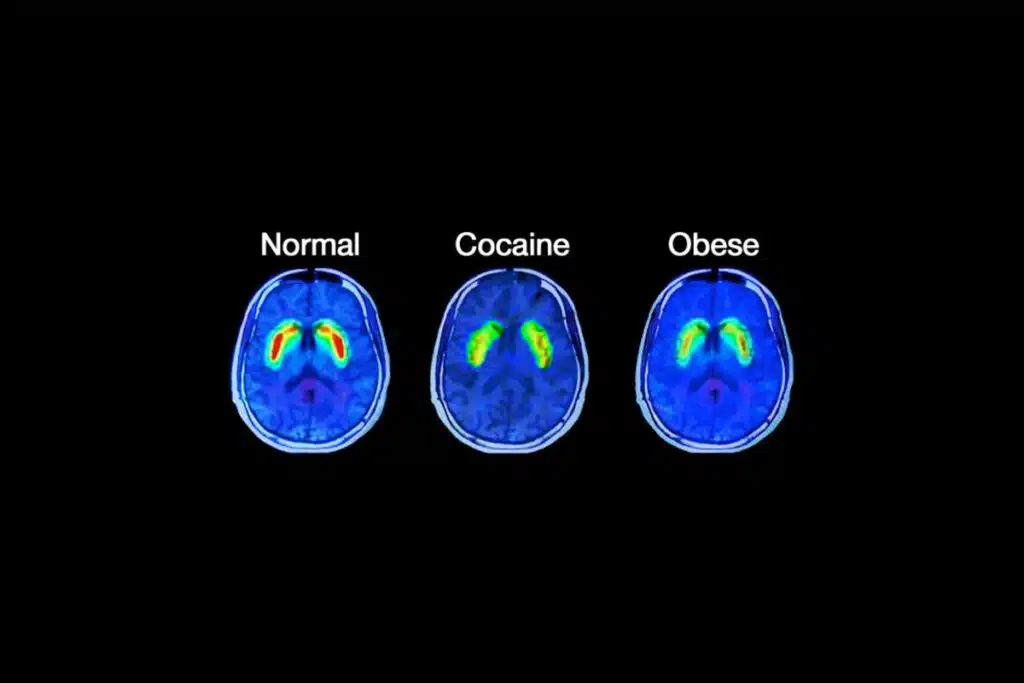
The repeated hijacking of the brain’s reward system by sugar can lead to neurobiological changes that are strikingly similar to those seen in individuals with substance use disorders. The journey from a simple craving to a powerful compulsion is marked by the classic hallmarks of addiction.
Tolerance: The Need for More
Just as with a drug, chronic exposure to high levels of sugar can cause the brain to protect itself by downregulating, or reducing the number of, its dopamine receptors [4]. This means that over time, you need more and more sugar to achieve the same pleasurable effect you once got from a smaller amount. That single scoop of ice cream that used to be a satisfying treat may no longer suffice, and you might find yourself needing three or four scoops to get the same reward. This phenomenon of tolerance is a critical step on the path to dependency, driven by the powerful Sugar and Dopamine link.
Withdrawal: The Body Rebels
When you try to reduce your sugar intake after a period of heavy consumption, your brain, now accustomed to a high level of stimulation, can react negatively. This can trigger a range of withdrawal symptoms, including irritability, anxiety, fatigue, intense cravings, and even physical symptoms like headaches [5]. These unpleasant feelings are a direct result of the brain readjusting to a lower level of dopamine stimulation and are a significant barrier for many people trying to cut back on sugar. Recognizing these symptoms as a normal part of the process is crucial for success.
Loss of Control: The Compulsive Drive
The ultimate hallmark of addiction is the loss of control over consumption. The powerful conditioning of the Sugar and Dopamine reward pathway can make it feel nearly impossible to resist sugary foods, even when you are consciously aware of their negative health consequences. You might find yourself eating more than you intended, eating in secret, or continuing to eat sugary foods despite feeling physically unwell. This compulsive behavior is not a moral failing; it is a biological response driven by a brain that has been rewired by sugar.
Reclaiming Your Brain: Practical Steps to Break the Cycle
Understanding the science behind the Sugar and Dopamine connection is empowering, but knowledge alone is not enough. Breaking the cycle requires a combination of mindful awareness, strategic nutritional changes, and practical behavioral adjustments. The good news is that your brain is incredibly adaptable, and you can take concrete steps to rewire your reward system.
Mindful Awareness
The first step is to become a curious observer of your own cravings. When a sugar craving hits, take a moment to pause. Ask yourself: What am I feeling? Am I hungry, stressed, bored, or sad? By identifying the emotional or environmental triggers behind your cravings, you can begin to address the root cause instead of automatically reaching for a sweet treat.
Nutritional Strategies for Stability
You can significantly reduce cravings by stabilizing your blood sugar and nourishing your brain with the right foods. Focus on incorporating more protein and fiber into your meals, as they promote satiety and provide a slow, steady release of energy. Prioritize whole, unprocessed foods like vegetables, fruits, lean proteins, and healthy fats. These foods nourish your body without causing the dramatic dopamine spikes and crashes associated with refined sugar.
Behavioral Changes for Lasting Success
Set yourself up for success by modifying your environment and your habits. Remove tempting sugary foods from your home and workplace to reduce the opportunity for impulsive eating. Plan your meals and have healthy snacks readily available. It’s also vital to find alternative, non-food-based rewards to manage stress and celebrate successes. This could be taking a walk in nature, listening to music, taking a warm bath, or connecting with a friend. By creating new reward pathways, you weaken the powerful hold of the Sugar and Dopamine connection.
Ready to take the first step? Join our 7-day no-sugar challenge! This structured program is designed to help you break the initial cycle of craving and experience the incredible benefits of a low-sugar lifestyle, from increased energy to improved mental clarity.
Conclusion: A Healthier, Happier Brain
The intricate dance between Sugar and Dopamine reveals why sweets can have such a powerful grip on us, leading to a cycle of craving, compulsion, and addiction-like behaviors. By hijacking the brain’s natural reward system, sugar can rewire our neural pathways, making it difficult to make healthy choices. However, this is not a life sentence.
By understanding this science, you are no longer a passive victim of your cravings; you are an empowered agent of change. You have the ability to break free from this sweet deception and cultivate a healthier, happier brain. The journey begins with a single step—a conscious choice to nourish your body, stabilize your mind, and reclaim your power from the grip of sugar.
Start your journey today. Your mind, your body, and your future self will thank you for it.
References
[1] Avena, N. M., Rada, P., & Hoebel, B. G. (2008). Evidence for sugar addiction: Behavioral and neurochemical effects of intermittent, excessive sugar intake. Neuroscience & Biobehavioral Reviews, 32(1), 20–39. https://pmc.ncbi.nlm.nih.gov/articles/PMC2235907/ [2] DiNicolantonio, J. J., O’Keefe, J. H., & Wilson, W. L. (2018). Sugar addiction: is it real? A narrative review. British Journal of Sports Medicine, 52(14), 910–913. https://bjsm.bmj.com/content/52/14/910.abstract [3] Huberman, A. (Host). (n.d.). Controlling Sugar Cravings & Metabolism with Science-Based Tools [Audio podcast episode]. In Huberman Lab. https://www.hubermanlab.com/episode/controlling-sugar-cravings-and-metabolism-with-science-based-tools [4] Westwater, M. L., Fletcher, P. C., & Ziauddeen, H. (2016). Sugar addiction: the state of the science. European Journal of Nutrition, 55(Suppl 2), 55–69. https://pmc.ncbi.nlm.nih.gov/articles/PMC5174153/ [5] Wiss, D. A., Avena, N., & Rada, P. (2018). Sugar Addiction: From Evolution to Revolution. Frontiers in Psychiatry, 9, 545. https://www.frontiersin.org/articles/10.3389/fpsyt.2018.00545/full