

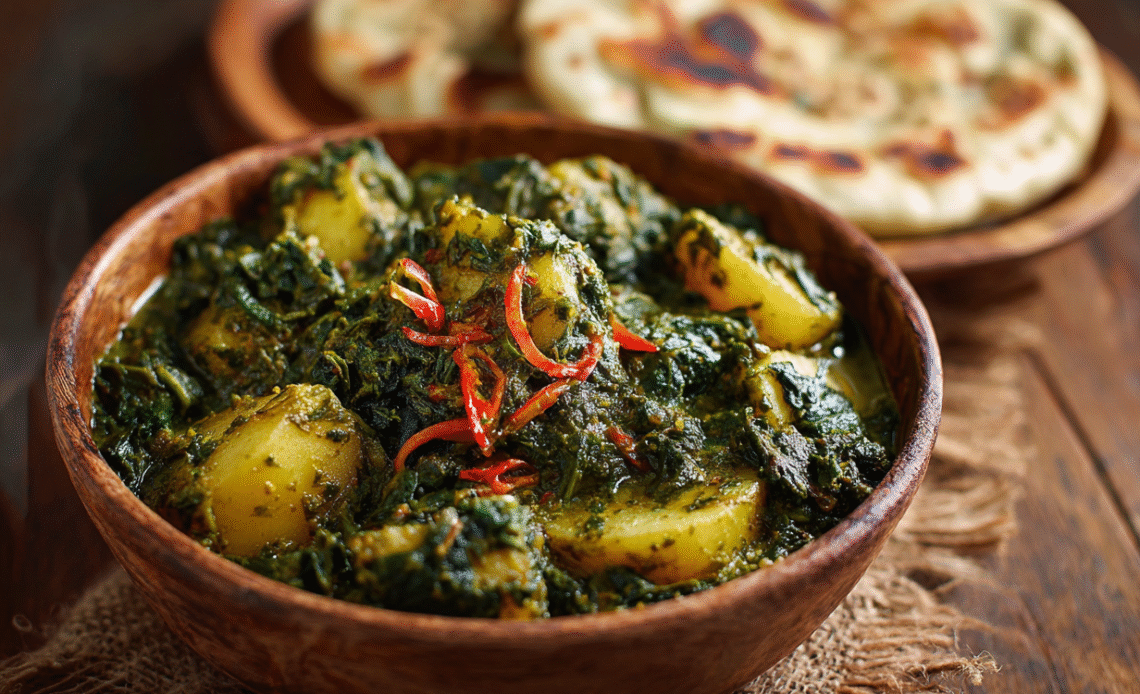
When exploring global cuisines through the lens of a sugar-free lifestyle, it’s remarkable how many traditional dishes are naturally aligned with health goals. Pakistani cuisine, with its vibrant spices and vegetable-forward dishes, offers numerous examples of meals that are both deeply flavorful and inherently nourishing. Among these culinary treasures is Pakistani Saag Aloo, a comforting spinach and potato curry that demonstrates how simple ingredients can create something truly extraordinary. This dish proves that eating for wellness doesn’t mean sacrificing cultural authenticity or deep, satisfying flavors.
What Is Pakistani Saag Aloo and Why Does It Matter?
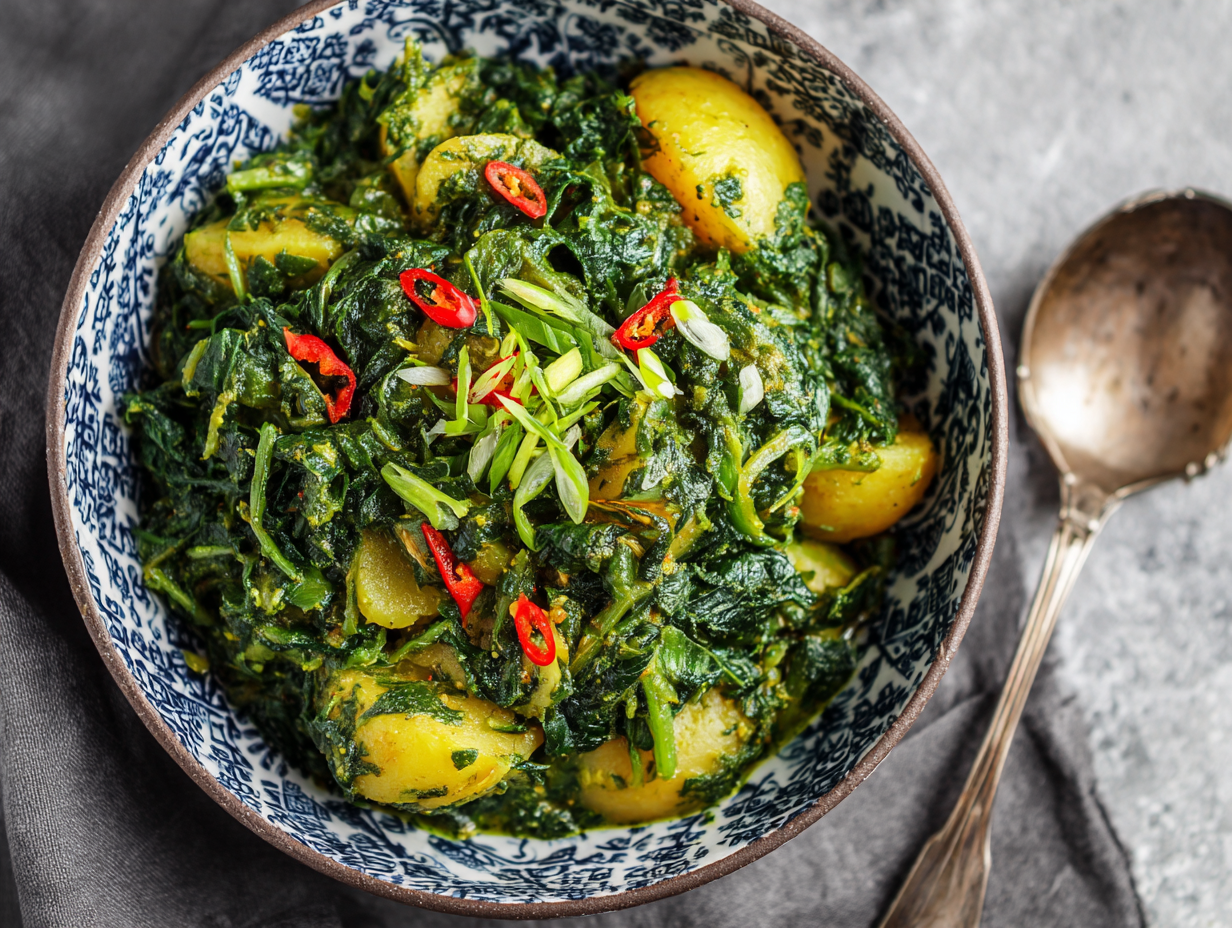
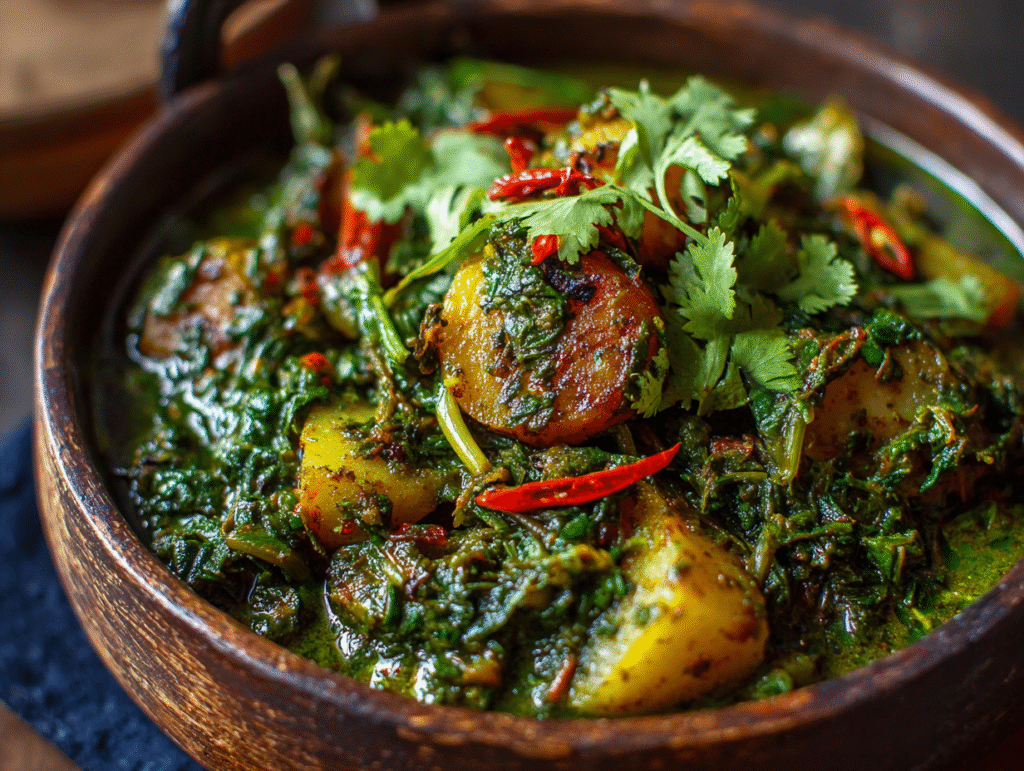
Pakistani Saag Aloo is a classic dish from the Punjab region, enjoyed across Pakistan and Northern India. “Saag” refers to leafy greens, typically spinach or mustard greens, while “aloo” means potatoes. The dish features potatoes simmered in a spiced spinach gravy, creating a harmonious balance of textures and flavors. It’s a staple in many households, often served with flatbreads like roti or naan.
Traditional Pakistani Saag Aloo is already quite healthy, but some versions can be heavy on oil or include cream for richness. Our version stays true to the authentic flavors while making it even more health-conscious. We use a moderate amount of rapeseed oil, which is rich in monounsaturated fats, and rely on the natural creaminess of the spinach rather than any dairy additions. What makes this Pakistani Saag Aloo particularly valuable for a sugar-free lifestyle is that it’s naturally free from added sugars, relying instead on the complex layering of spices and the natural sweetness of onions and tomatoes for depth of flavor.
The Remarkable Health Benefits in Every Bite
This Pakistani Saag Aloo is more than just a tasty curry—it’s a nutritional powerhouse that offers multiple health benefits:
- Spinach: The Green Powerhouse: The star ingredient, spinach, is incredibly nutrient-dense. It’s packed with vitamins A, C, and K, as well as iron, folate, and magnesium. Spinach is also rich in antioxidants like lutein, which supports eye health, and contains compounds that have anti-inflammatory properties.
- Potatoes: More Than Just Carbs: While often misunderstood, potatoes provide valuable nutrients including potassium, vitamin C, and vitamin B6. When cooked and cooled, they develop resistant starch, which acts as a prebiotic fiber, feeding beneficial gut bacteria.
- The Healing Power of Spices: The turmeric in this Pakistani Saag Aloo contains curcumin, a compound with potent anti-inflammatory effects. Cumin seeds aid digestion and provide iron, while garlic offers cardiovascular benefits and immune support.
- Rapeseed Oil Benefits: Using rapeseed oil provides a good source of omega-3 fatty acids and vitamin E, making it a heart-healthy cooking oil choice.
- Dietary Compatibility: This recipe is naturally vegan, gluten-free, and sugar-free. It fits perfectly into plant-based, clean-eating, and whole-foods lifestyles.
Navigating the Challenges of Perfect Saag Aloo
Creating the perfect Pakistani Saag Aloo requires some technique to achieve the right consistency and flavor balance:
- Managing Spinach Volume: Fresh spinach reduces dramatically when cooked. Don’t be alarmed by the large quantity—it will wilt down significantly. Working in batches when wilting the spinach makes it more manageable.
- Achieving the Right Consistency: The spinach should be finely chopped to create a cohesive sauce. If you prefer a smoother texture, you can blend half of the cooked spinach before adding the potatoes.
- Preventing Mushy Potatoes: Cut the potatoes into uniform cubes and add them at the right stage of cooking. They should be tender but still hold their shape.
- Balancing the Spices: Toast the cumin seeds in oil until fragrant to release their essential oils. This simple step dramatically enhances the flavor depth of your Pakistani Saag Aloo.
Tips and Trends for Modern Healthy Cooking
This Pakistani Saag Aloo aligns perfectly with several contemporary food trends, including plant-forward eating and global flavor exploration. Using AI meal planners can help you incorporate diverse cultural dishes like this into your weekly routine. The growing interest in anti-inflammatory foods makes this spice-rich dish particularly relevant. Embracing traditional cooking methods from various cultures is a wonderful way to maintain an exciting, varied approach to healthy eating.
Frequently Asked Questions
Question: Can I use frozen spinach instead of fresh?
Answer: Yes, you can substitute frozen spinach. Use 1.5kg of frozen chopped spinach, thawed and squeezed to remove excess water. The texture will be slightly different, but the flavor will still be excellent.
Question: My saag aloo turned out watery. How can I fix this?
Answer: Cook uncovered for a few extra minutes to evaporate excess moisture. You can also mash some of the potatoes against the side of the pan to help thicken the sauce.
Question: Can I make this dish with other greens?
Answer: Absolutely. Mustard greens, kale, or collard greens make excellent alternatives. Adjust cooking times as needed, as some greens may take longer to become tender.
Question: Is Pakistani Saag Aloo suitable for meal prep?
Answer: Yes, it’s an excellent meal prep option. It stores well and the flavors develop over time. It can be refrigerated for 3 days or frozen for up to 2 months.
Conclusion
This Pakistani Saag Aloo represents the beautiful intersection of cultural tradition and modern nutritional wisdom. It’s a dish that nourishes both body and soul, offering deep, comforting flavors while providing an array of health benefits. It stands as a testament to how traditional cuisines often hold the key to eating well, demonstrating that the most satisfying meals are frequently the simplest, most wholesome ones.
We hope this recipe brings the vibrant flavors of Pakistan to your kitchen! Have you tried making Saag Aloo before? Share your experience and any family variations in the comments below. For more globally-inspired, sugar-free recipes, explore the rest of sugardetoxlab.com.