
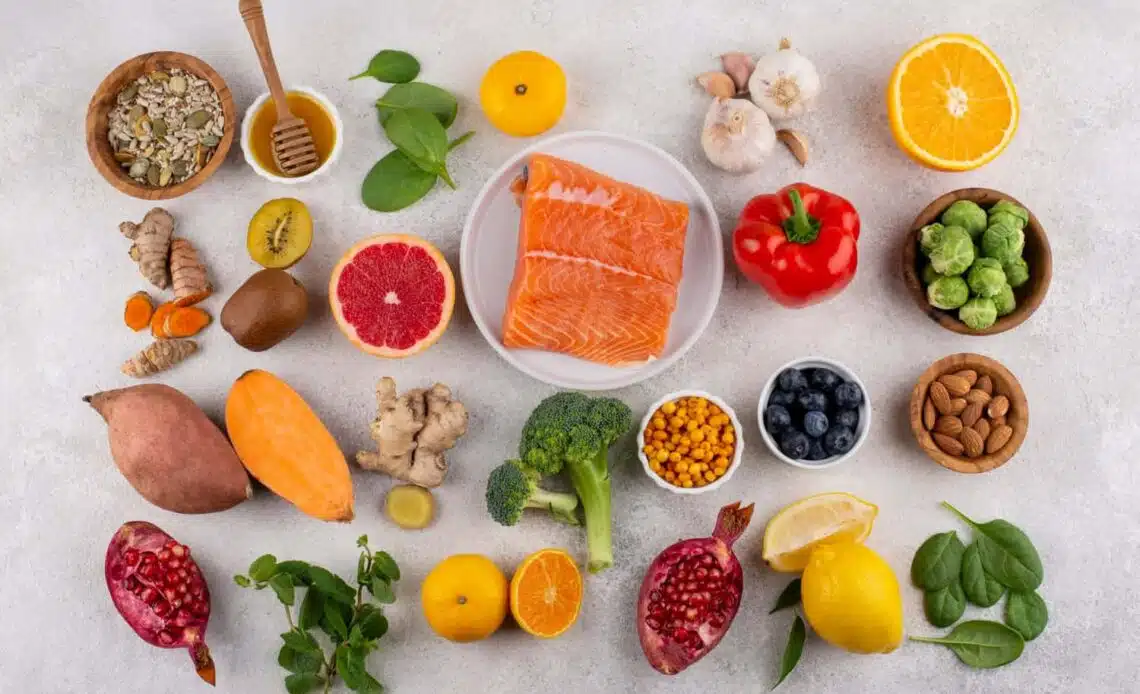
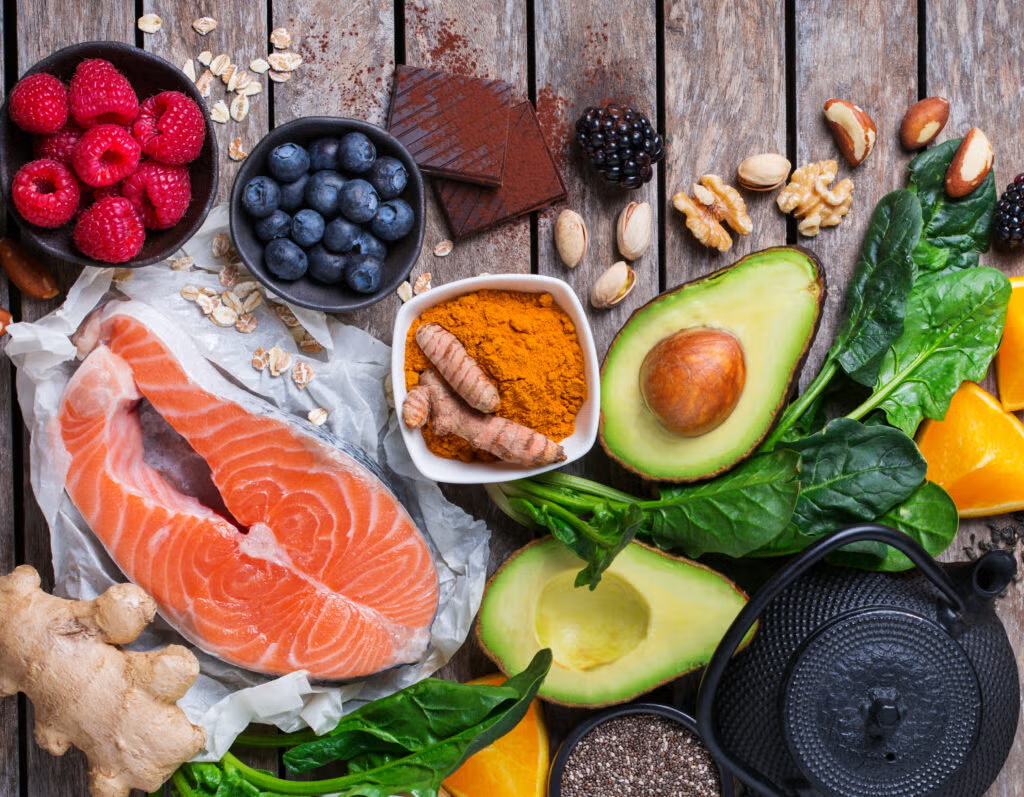
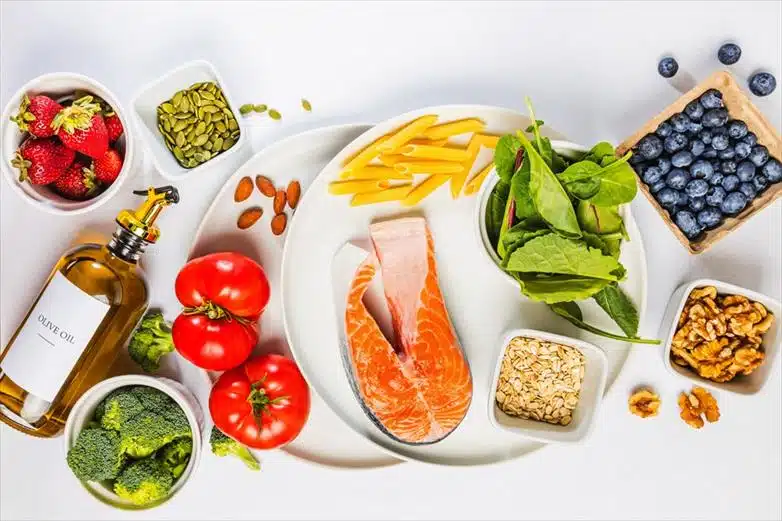
Feeling bloated, sluggish, or stuck in your weight management goals? Chronic, low-grade inflammation could be a key player: Anti-Inflammatory Meal Plan for Beginners. The good news is that the food on your plate is one of the most powerful tools to combat it. This 5-day plan is designed by a dietitian to flood your body with anti-inflammatory nutrients, focusing on fiber-rich foods to keep you full, support healthy digestion, balance blood sugar, and promote sustainable fat loss. Get ready for 5 days of delicious, energizing meals that will help you control cravings and feel your best.
Reducing sugar cravings and stabilizing your energy starts with a strategic approach to eating. This five-day sugar detox meal plan is engineered to reset your palate and break the cycle of cravings. Each day is precisely formulated to be low in sugar and high in nutrients that support metabolic health. You’ll consume approximately 1,800 calories with a minimum of 80 grams of protein and 30 grams of fiber daily—two key nutrients for promoting satiety and balancing blood sugar. The plan is built on a foundation of high-fiber vegetables, low-glycemic fruits, lean proteins, and healthy fats, all while eliminating added and artificial sweeteners entirely.
Featuring simple, whole-food recipes with minimal cooking required, this plan is designed for maximum adherence. With repeat meals and smart batch cooking, you can focus on how you feel—less bloating, fewer cravings, and sustained energy. Let’s begin the reset.
Day 1
Daily Overview: Kickstart your week with a balance of lean protein and high-fiber complex carbs to fuel your day and keep cravings at bay.
Breakfast: Berry & Spinach Power Smoothie
- 1 cup unsweetened almond milk (240ml)
- 1 scoop vanilla or unflavored plant-based protein powder (~30g)
- 1 cup fresh spinach (30g)
- ½ cup frozen blueberries (75g)
- 1 tbsp ground flaxseed (15g)
- Blend until smooth.
- ~345 kcal | 25g Protein | 9g Fiber
Snack 1: Crunchy Apple Slices with Almond Butter
- 1 medium apple, sliced
- 1 tbsp natural almond butter (no added sugar or oil)
- ~195 kcal | 4g Protein | 6g Fiber
Lunch: Large Quinoa & Chickpea Salad
- 1 cup cooked quinoa (185g)
- ¾ cup chickpeas, rinsed and drained (120g)
- Mixed greens, cucumber, cherry tomatoes, bell peppers
- Dressing: Lemon juice, olive oil, dried oregano
- ~485 kcal | 18g Protein | 15g Fiber
Snack 2: Plain Greek Yogurt Bowl
- ¾ cup plain Greek yogurt (2% or full-fat) (170g)
- ¼ cup raspberries
- 1 tbsp hemp hearts
- ~215 kcal | 22g Protein | 3g Fiber
Dinner: Baked Salmon & Roasted Asparagus
- 5 oz baked salmon fillet (150g)
- 1.5 cups roasted asparagus with olive oil and garlic (200g)
- ½ cup cooked farro (85g)
- ~560 kcal | 40g Protein | 10g Fiber
Daily Totals: ~1800 kcal | 109g Protein | 43g Fiber
Prep & Batch Notes: Cook a large batch of quinoa and farro to use throughout the week. Rinse a can of chickpeas for easy lunch assembly.
Smart Swaps:
- Vegan: Use a vegan protein powder and swap Greek yogurt for coconut yogurt.
- Nut-Free: Swap almond butter for sunflower seed butter.
Fullness & Craving Tip: Start your day with a large glass of water before your smoothie. Hydration is key for fiber to do its job and helps control hunger.
Day 2
Daily Overview: A plant-powered day featuring a variety of colorful vegetables and legumes to maximize micronutrient and fiber intake.
Breakfast: Savory Tofu Scramble
- ½ block firm tofu, crumbled (150g)
- Sautéed with turmeric, black pepper, spinach, and mushrooms
- 1 slice whole-wheat toast with ¼ avocado
- ~400 kcal | 22g Protein | 11g Fiber
Snack 1: Pear & Handful of Walnuts
- 1 medium pear
- ¼ cup walnuts (30g)
- ~285 kcal | 5g Protein | 7g Fiber
Lunch: Leftover Quinoa & Chickpea Salad
- Enjoy the leftovers from Day 1.
- ~485 kcal | 18g Protein | 15g Fiber
Snack 2: Veggie Sticks & Hummus
- 1 cup carrot, cucumber, and bell pepper sticks
- 3 tbsp classic hummus
- ~150 kcal | 5g Protein | 7g Fiber
Dinner: Lentil & Vegetable Soup
- 1.5 cups hearty lentil soup (home-made or low-sodium canned) (375ml)
- Side salad with a simple vinaigrette.
- ~420 kcal | 22g Protein | 20g Fiber
Daily Totals: ~1740 kcal | 72g Protein | 60g Fiber
Prep & Batch Notes: Make a big pot of lentil soup on your meal prep day. It freezes beautifully for future easy meals.
Smart Swaps:
- Higher Protein: Add shredded chicken breast to the soup.
- Gluten-Free: Ensure your vegetable broth is certified gluten-free.
Fullness & Craving Tip: The healthy fats from avocado, walnuts, and olive oil in your meals are crucial for satiety and absorbing fat-soluble vitamins.

Day 3
Daily Overview: Focus on incorporating omega-3 fatty acids, a powerful anti-inflammatory nutrient, from both plant and animal sources.
Breakfast: Overnight Chia Pudding
- 3 tbsp chia seeds (45g) soaked overnight in 1 cup unsweetened almond milk (240ml)
- Topped with ½ cup sliced strawberries and 1 tbsp slivered almonds
- ~345 kcal | 10g Protein | 18g Fiber
Snack 1: Hard-Boiled Egg & Cucumber Slices
- 2 hard-boiled eggs
- 1 cup cucumber slices
- ~160 kcal | 12g Protein | 1g Fiber
Lunch: Leftover Lentil Soup
- 1.5 cups lentil soup
- ~420 kcal | 22g Protein | 20g Fiber
Snack 2: Cottage Cheese & Peach
- ¾ cup low-fat cottage cheese (170g)
- ½ fresh peach, sliced
- ~180 kcal | 24g Protein | 2g Fiber
Dinner: Sheet Pan Chicken & Broccoli
- 5 oz baked chicken breast (150g)
- 2 cups roasted broccoli florets with olive oil (200g)
- 1 small sweet potato, baked (130g)
- ~490 kcal | 45g Protein | 13g Fiber
Daily Totals: ~1595 kcal | 113g Protein | 54g Fiber
Prep & Batch Notes: Soak your chia pudding the night before. Hard-boil several eggs at once for easy snacks all week.
Smart Swaps:
- Vegan: Swap chia pudding for oatmeal and use tempeh instead of chicken.
- Dairy-Free: Swap cottage cheese for a handful of edamame.
Fullness & Craving Tip: If you feel hungry between meals, drink a glass of water and wait 10 minutes. Often, thirst is mistaken for hunger.
Day 4
Daily Overview: Keep your energy stable with meals that perfectly pair high-fiber carbohydrates with lean protein.
Breakfast: Greek Yogurt Parfait
- 1 cup plain Greek yogurt (225g)
- ¼ cup blueberries
- 2 tbsp pumpkin seeds
- Sprinkle of cinnamon
- ~345 kcal | 27g Protein | 5g Fiber
Snack 1: Celery with Nut Butter
- 3 large celery stalks
- 1.5 tbsp natural peanut butter
- ~185 kcal | 7g Protein | 4g Fiber
Lunch: Turkey & Avocado Wrap
- 3 oz sliced turkey breast (90g)
- ¼ avocado, mashed
- Spinach, tomato, mustard in a whole-wheat tortilla wrap
- ~385 kcal | 28g Protein | 10g Fiber
Snack 2: Small Green Apple
- 1 small green apple
- ~80 kcal | 0g Protein | 4g Fiber
Dinner: Black Bean Burgers
- 1 black bean patty (home-made or pre-made, check for added sugar) on a whole-wheat bun
- Large side salad with vinaigrette.
- ~495 kcal | 25g Protein | 18g Fiber
Daily Totals: ~1490 kcal | 87g Protein | 41g Fiber
Prep & Batch Notes: Form black bean burger patties ahead of time and store them in the fridge or freezer for a quick dinner.
Smart Swaps:
- Vegetarian: The black bean burger is already vegetarian!
- Gluten-Free: Use a gluten-free wrap and bun.
Fullness & Craving Tip: Eat mindfully. Put away distractions, chew your food thoroughly, and savor each bite. This improves digestion and helps you recognize fullness cues.

Day 5
Daily Overview: Finish the week strong by incorporating a wide variety of anti-inflammatory spices like turmeric and ginger.
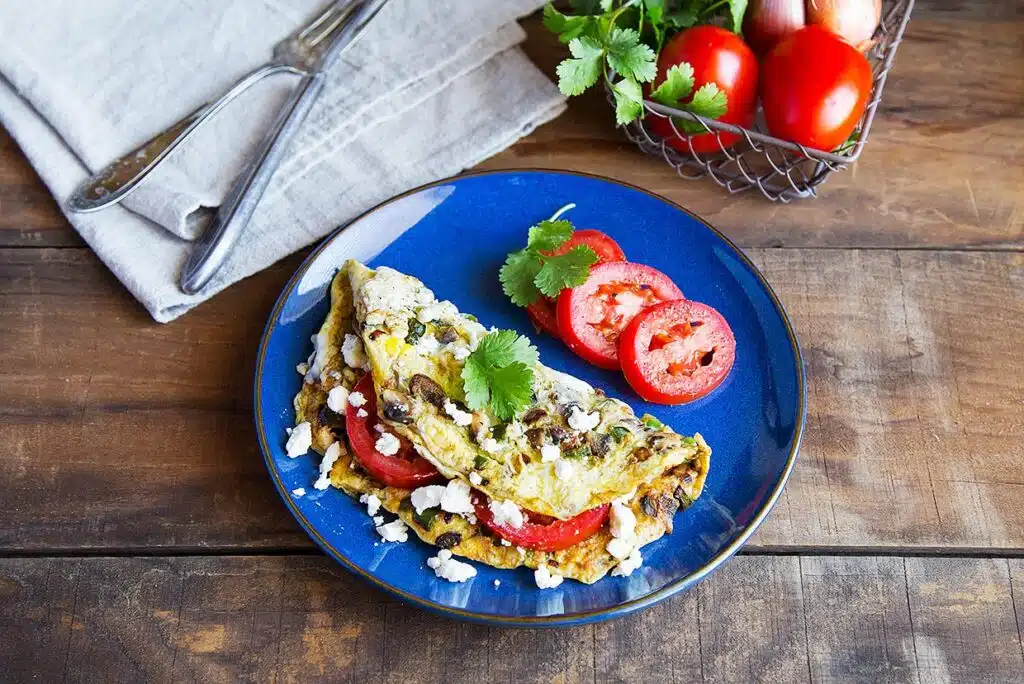
Breakfast: Veggie & Feta Omelet
- 2-egg omelet with mushrooms, onions, spinach, and 1 oz feta cheese (30g)
- Side of ½ cup blackberries
- ~335 kcal | 23g Protein | 7g Fiber
Snack 1: Handful of Edamame
- 1 cup shelled edamame (155g), steamed with a pinch of sea salt
- ~190 kcal | 17g Protein | 8g Fiber
Lunch: Leftover Black Bean Burger
- Enjoy your leftover burger and salad.
- ~495 kcal | 25g Protein | 18g Fiber
Snack 2: Chia Seed “Crackers”
- 2 brown rice cakes topped with 2 tbsp hummus and a sprinkle of chia seeds.
- ~165 kcal | 5g Protein | 5g Fiber
Dinner: Turmeric-Ginger Chicken Stir-fry
- 4 oz chicken breast (120g), stir-fried with broccoli, bell peppers, snap peas, and a sauce of ginger, turmeric, tamari, and rice vinegar.
- Served over ½ cup brown rice (85g cooked).
- ~475 kcal | 40g Protein | 8g Fiber
Daily Totals: ~1660 kcal | 110g Protein | 46g Fiber
Prep & Batch Notes: Chop all your stir-fry vegetables in one go and store them in an airtight container for easy cooking.
Smart Swaps:
- Vegan: Use tofu or tempeh instead of chicken and omit the feta at breakfast.
- Spice Level: Add a pinch of cayenne pepper to your stir-fry for an extra metabolic boost.
Fullness & Craving Tip: If you have a sweet craving after dinner, try a cup of peppermint or cinnamon tea. The warmth and flavor can be very satisfying.

FAQs
1. What foods are naturally high in fiber?
Think plants! Legumes (lentils, chickpeas, black beans), vegetables (broccoli, Brussels sprouts, artichokes), fruits (berries, apples, pears), whole grains (oats, quinoa, farro), and seeds (chia, flax, pumpkin) are all excellent sources. Learn more about Dietary Fiber on Wikipedia.
2. Can I eat fruit on this plan?
Absolutely! Whole fruits are encouraged. They provide natural sugars along with fiber, vitamins, antioxidants, and water. The fiber helps slow the absorption of the sugar, preventing a sharp spike in blood sugar.
3. What counts as added sugar?
Added sugars are those not naturally found in the food. This includes table sugar, high-fructose corn syrup, honey, maple syrup, agave, and coconut sugar. They are added during processing or preparation. We avoid them to reduce inflammation and empty calories.
4. How do I adjust for 1,500 vs. 2,000 kcal?
To increase calories, add slightly larger portions of healthy fats (avocado, nuts, seeds, olive oil) and complex carbs (sweet potato, quinoa). To decrease, slightly reduce portions of these, but try to keep protein and vegetable intake high.
5. What if I feel bloated from too much fiber?
This is common if you rapidly increase your fiber intake. Drink more water! Fiber pulls water into the digestive tract. Also, introduce high-fiber foods gradually and ensure you are cooking legumes thoroughly.
6. How to make this plan vegetarian or vegan?
This plan is easily adaptable. For vegetarian, lean on eggs, dairy, and plant-based proteins. For vegan, use tofu, tempeh, seitan, lentils, and beans. Swap dairy yogurt for plant-based versions (choose unsweetened) and use a vegan protein powder.
7. Can I follow this plan long-term?
Yes! This is not a restrictive fad diet. It’s built on whole, nutrient-dense foods that support health long-term. Feel free to mix and match days and recipes to create a sustainable eating pattern.
8. What about eating out while following a no-sugar plan?
Focus on simple dishes: grilled proteins (chicken, fish), steamed or roasted vegetables, and salads. Ask for dressings and sauces on the side, as these are common sources of hidden sugars and unhealthy fats.
Other Tips
- Hydrate, Hydrate, Hydrate: Aim for 2-3 liters of water per day. This is non-negotiable for helping fiber move through your digestive system and preventing bloating.
- Build Your Plate Wisely: Visualize your plate: ½ non-starchy vegetables, ¼ lean protein, ¼ high-fiber carbohydrates.
- Flavor Without Sugar: Use spices (turmeric, cumin, cinnamon), herbs (basil, cilantro, rosemary), citrus juices (lemon, lime), vinegar, garlic, and ginger to add incredible flavor without needing sugary sauces.
- Pair Carbs with Protein: Always pair a high-fiber carb (like an apple) with a protein or fat (like almond butter). This combination is key for blood sugar stability, which manages energy and cravings. Understanding the Glycemic Index can be helpful here.
- Start Slow: If you are new to eating this much fiber, don’t feel you must hit 30g on Day 1. Gradually increase portions of fibrous foods over the week to allow your gut to adjust.
5-Day Anti-Inflammatory Meal Plan for Beginners, Created by a Dietitian
This 5-day plan is designed to be a sustainable launchpad for better health. By focusing on whole foods, you’re giving your body the nutrients it needs to thrive.
- Calories: Approximately 1,500–1,800 per day (easily adjustable).
- Macros: Exceeds ≥80 g protein and ≥30 g fiber daily.
- Focus: Fiber-rich foods from vegetables, fruits, legumes, and whole grains to promote fullness, support healthy digestion, reduce inflammation, and enable sustainable fat loss.