

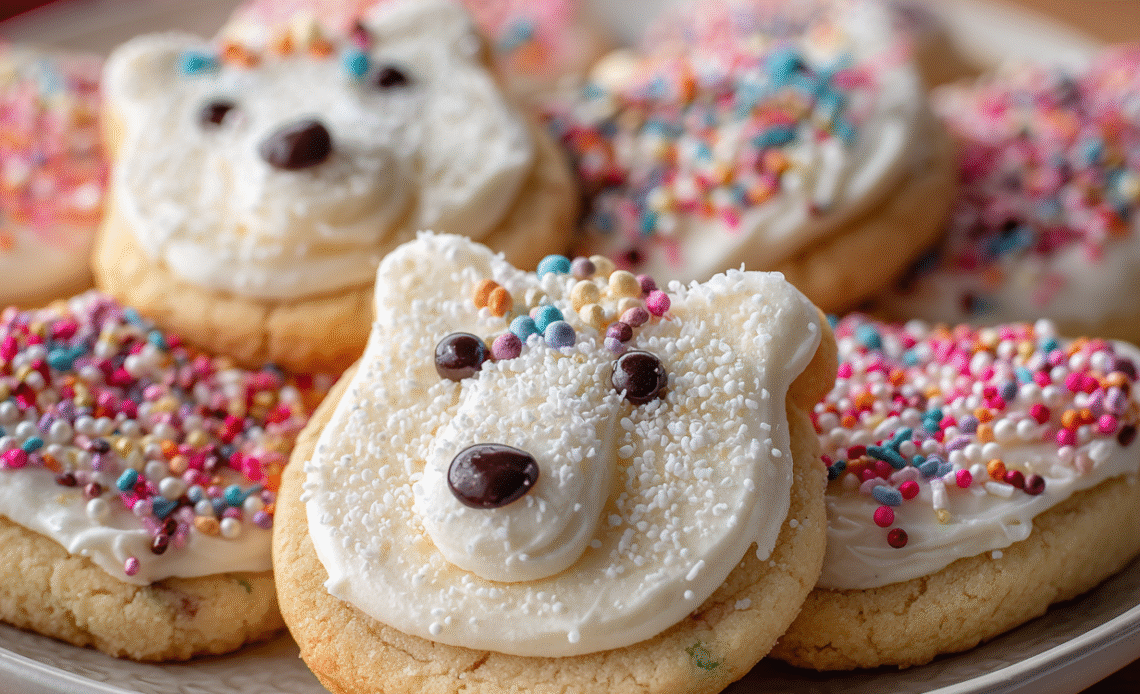
The winter holidays often come wrapped in layers of indulgence—rich meals, sweet drinks, and elaborate desserts that can feel overwhelming. At Sugar Detox Lab, we believe in balance and joy in every season. Sometimes, joy looks like a light, fresh salad; other times, it looks like a whimsical, lovingly decorated cookie shared with laughter. Our Polar Bear Cookies are for those latter moments. They are a celebration of artistry, intention, and the pure fun of baking, designed to bring a smile without requiring a complete sugar surrender.
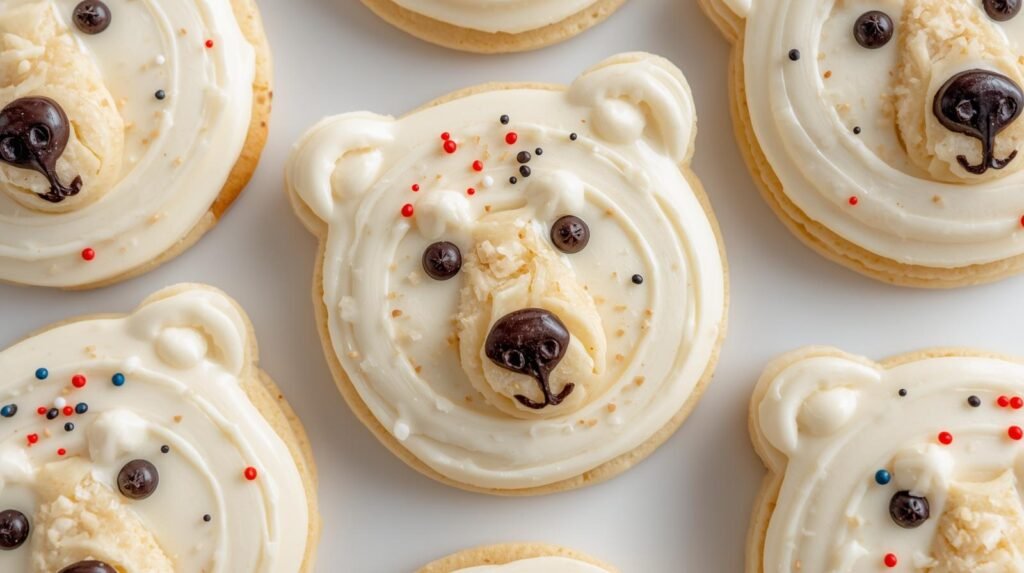
Imagine a perfectly soft, pillowy sugar cookie with a subtle tang from cream cheese, covered in a blanket of fluffy white buttercream and coarse sparkling sugar “snow.” Each cookie is then transformed into an adorable polar bear face with dark chocolate chip ears and a sprinkle nose. They are as delightful to look at as they are to eat. This recipe is for the baker who finds mindfulness in the creative process—the careful measuring, the rhythmic piping, the focused decoration. Creating these Polar Bear Cookies is a festive activity in itself, resulting in a treat that feels special, personal, and portion-controlled, aligning with a conscious approach to holiday sweets.
What Are Polar Bear Cookies and Why Do They Matter?
The classic decorated sugar cookie is a holiday canvas, often involving rolled dough, royal icing, and intricate piping. While beautiful, they can be time-intensive and very sweet. Our Polar Bear Cookies offer a different, more accessible path to cookie artistry.
These cookies matter because they prioritize joyful process over perfectionism. We use a simple drop-style dough, enriched with cream cheese for incredible softness and flavor depth, eliminating the need for rolling and cutting. The decoration is minimalist yet impactful: a swirl of frosting, a dip in sparkling sugar, and three simple placements for the face. This approachable method means you can involve helpers of all ages and still achieve stunning, professional-looking results. By making the buttercream from scratch, you control the quality of ingredients and the level of sweetness, avoiding the artificial flavors and stabilizers found in many canned frostings.
A Mindful Perspective on the Ingredients
As with all our recipes, let’s look at these Polar Bear Cookies with awareness, appreciating both their role as a celebratory treat and the function of their components.
- The Softness Secret: Cream Cheese: Adding cream cheese to the cookie dough is a game-changer for texture and flavor. It introduces a slight tang that balances the sweetness and, thanks to its fat and moisture content, guarantees an exceptionally tender, soft-batch cookie that stays that way for days. It also adds a small amount of protein.
- The Sweet Elements: Understanding Sugars: This recipe uses both granulated sugar in the cookie and powdered sugar in the frosting. These are sources of simple carbohydrates. Being mindful of this allows us to enjoy them as a planned part of our holiday eating. Understanding concepts like the glycemic index can help us see how different foods affect our blood sugar, which is useful knowledge for balancing indulgences.
- The Decorative Shine: Sanding Sugar: The coarse sanding sugar provides the beautiful “sparkling snow” effect. Unlike regular sugar, it doesn’t dissolve into the frosting, maintaining its crystalline texture and shine. It’s a pure decorative element, and a little creates a big visual impact.
- The Flavor Anchor: Vanilla and Chocolate: Using pure vanilla extract or paste in both the cookie and frosting provides a rich, authentic flavor base that satisfies the palate with quality, not just sweetness. The dark chocolate chips offer a bittersweet contrast and contain beneficial antioxidants. For more on the fascinating history and production of this beloved flavor, you can explore the vanilla Wikipedia page.
This Polar Bear Cookies recipe in its standard form contains gluten, dairy, and refined sugars. It is not suitable for keto, paleo, or vegan diets as written. However, the Notes section provides guidance for adaptations.
Navigating the Challenges of Decorated Cookies
Creating picture-perfect Polar Bear Cookies is easier than it looks, but a few tips will ensure your “bear-y” best results.
- The Pillowy Cookie Base: The key to a soft, thick cookie that doesn’t spread flat is dough temperature. After mixing, chilling the dough for at least 30 minutes is non-negotiable. This solidifies the butter and cream cheese, ensuring the cookies bake up puffy, not thin.
- The Fluffy Frosting Foundation: Your butter must be at true room temperature for the frosting—cool to the touch but easily indented. If it’s too cold, the frosting will be lumpy; if it’s melted, it will never become fluffy. Whip the butter alone for a full 2-3 minutes until pale and creamy before adding anything else. This incorporates air, which is the secret to a light, spreadable frosting.
- The “Snow Dip” Technique: To get an even, generous coat of sanding sugar, you need slightly sticky frosting. Frost a cookie, then immediately (before the frosting forms a skin) invert it and gently press it into a shallow bowl of sanding sugar. Lift it straight up, letting the excess fall away.
Tips and Trends for Winter Baking
These Polar Bear Cookies are part of the “character cookie” trend—turning simple shapes into adorable animals or figures with minimal decoration. It’s a wonderfully accessible way to enter the world of cookie art. To balance out a holiday schedule that includes baking projects like this, an AI meal planner can be invaluable for organizing simple, nourishing weeknight dinners, ensuring your energy for creativity isn’t spent on meal decisions.
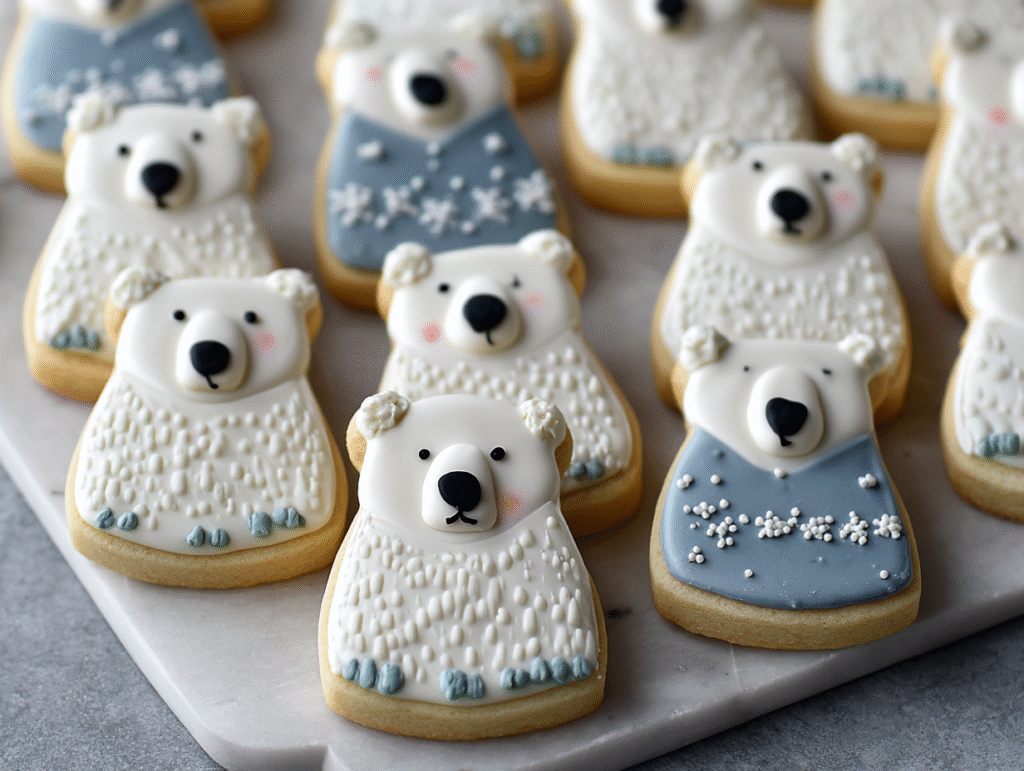
For a different look, try using shredded coconut instead of sanding sugar for a “furry” textured coat. You can also tint a small portion of the frosting blue to pipe on scarves or winter hats for your bears.
Frequently Asked Questions
Question: Can I make the cookie dough ahead of time and bake it later?
Answer: Absolutely. This dough benefits from chilling. You can refrigerate it, well-wrapped, for up to 2 days, or freeze the portioned dough balls for up to 3 months. Bake frozen dough balls, adding 1-2 minutes to the bake time.
Question: My buttercream turned out grainy or runny. What went wrong?
Answer: Grainy frosting is usually due to unsifted powdered sugar. Always sift it. Runny frosting is typically caused by butter that is too warm or the addition of too much liquid. To fix runny frosting, chill it for 20 minutes, then re-whip. If it’s still too soft, you can carefully add a bit more sifted powdered sugar.
Question: What can I use if I don’t have sanding sugar?
Answer: Coarse white sparkling sugar is ideal, but in a pinch, you can use regular granulated sugar for a more subtle sparkle, or white nonpareil sprinkles for a different kind of texture. Avoid brown or colored sugars, as they will change the polar bear’s color.
Question: Can I use this cookie base for other decorated shapes?
Answer: This is a drop cookie dough, not a roll-out dough. It’s designed to be scooped and baked into rounds. For precise shapes (like Christmas trees or stars), you would need a different, stiffer roll-out sugar cookie recipe.
Conclusion
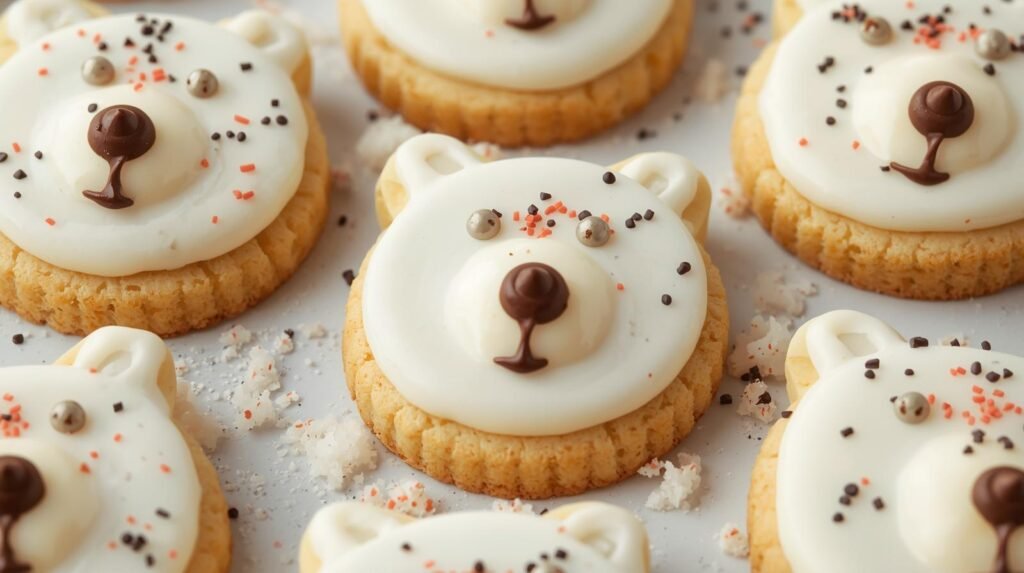
These Polar Bear Cookies are a celebration of winter whimsy and mindful baking. They remind us that treats can be special, creative, and made with intention, bringing as much joy in the making as in the eating.
We encourage you to try this soothing, creative recipe. Gather your family, put on some festive music, and enjoy the process of bringing a herd of sweet polar bears to life. For more recipes that help you find balance and celebrate the seasons with a health-conscious spirit, explore our full collection at Sugar Detox Lab. Subscribe to our newsletter for regular inspiration on your journey to a sweeter, healthier life.