


However, for those of us mindful of our sugar intake, this can present a challenge. How do you participate in these sweet rituals while maintaining a health-conscious approach? The answer lies in recipes that balance celebration with mindfulness, and few treats capture the festive spirit quite like the Magic of Candy Cane Cookies. These iconic, twisted cookies are more than just a dessert; they’re an experience that brings families together in the kitchen. Exploring the Magic of Candy Cane Cookies allows us to appreciate the joy of holiday baking while considering how we can make these traditions work within a balanced lifestyle.
What Is the Magic of Candy Cane Cookies and Why Does It Matter?
The traditional Candy Cane Cookie is a classic holiday recipe that has been passed down through generations. It’s a simple shortbread-like dough, often flavored with almond or vanilla, that is divided in half and tinted red before being twisted together to form the iconic cane shape. The magic truly lies in the process—the tactile experience of working with the dough and the joy of creating something beautiful with your hands. However, from a nutritional standpoint, the classic recipe is typically high in refined carbohydrates from white flour and powdered sugar, with butter as the primary fat source.
Our perspective on the Magic of Candy Cane Cookies focuses on preserving the joyful experience while bringing awareness to the ingredients. While this particular recipe follows traditional methods, the true “magic” we can create is in how we approach these cookies—as special occasion treats to be savored mindfully rather than everyday snacks. The process of making them, with the careful twisting and shaping, naturally encourages us to slow down and appreciate the creation, which aligns perfectly with a mindful eating practice. The Magic of Candy Cane Cookies isn’t just in their appearance, but in the conscious enjoyment they can inspire.
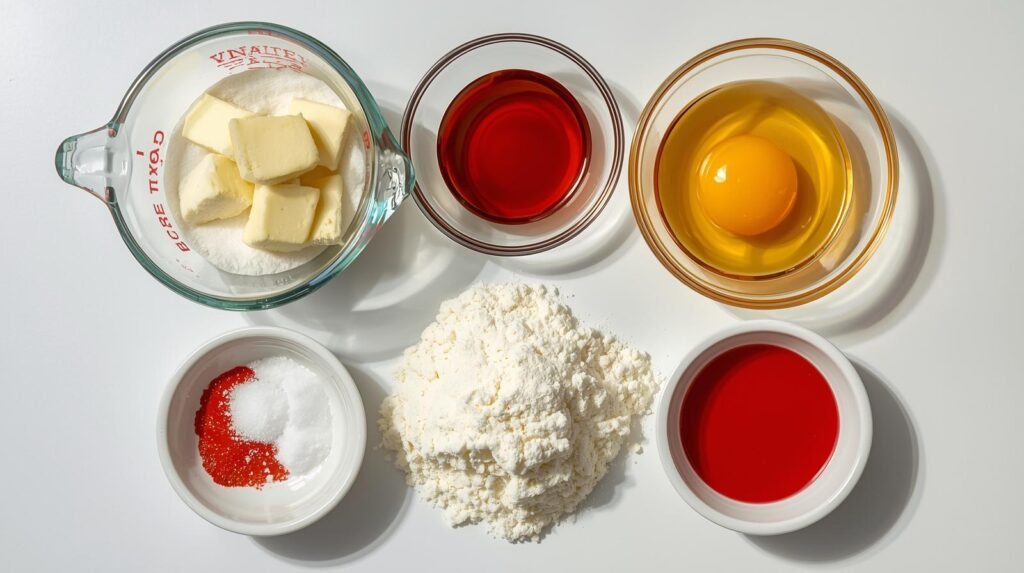
A Closer Look at the Ingredients and Mindful Considerations
While these cookies are a holiday treat, understanding their components helps us appreciate them within the context of a balanced diet and explore potential adaptations.
- The Sweetness Foundation: Powdered sugar provides the characteristic melt-in-your-mouth texture that makes these cookies so delightful. While it’s a refined sugar, its fine texture means you might use slightly less than you would with granulated sugar to achieve the same perceived sweetness. From a nutritional perspective, all sugars affect blood sugar levels, but being aware of portion size is key to enjoying treats like these mindfully.
- The Flavor Profile: The combination of vanilla and peppermint extract creates that classic holiday flavor we associate with candy canes. Peppermint isn’t just for taste—it has been traditionally used to support digestion, which can be particularly helpful during the indulgent holiday season. The history of peppermint as a medicinal herb adds an interesting layer to these festive cookies.
- The Structural Elements: The all-purpose flour and butter create the tender, crumbly texture that makes these cookies so appealing. While this combination doesn’t offer significant nutritional benefits beyond energy, the process of creaming butter and sugar properly is what gives these cookies their magical texture. Understanding the science of baking helps appreciate why certain ingredients are essential to traditional recipes.
- The Visual Magic: The red food coloring, while purely aesthetic, is part of what makes these cookies so special and recognizable. For those looking to avoid artificial colors, natural alternatives like beet powder can create a beautiful hue while adding a subtle nutritional boost.
This recipe is naturally vegetarian. It can be adapted to be gluten-free by using a 1:1 gluten-free flour blend.
Navigating Potential Challenges
Creating the perfect candy cane cookies requires some technique, but these tips will help you achieve beautiful results.
- Managing the Dough Temperature: The dough can become too soft to work with if it warms up. Solution: Work with small portions of dough at a time, keeping the rest refrigerated. If the dough becomes too soft while you’re shaping the cookies, chill the baking sheet with the shaped cookies for 10-15 minutes before baking.
- Achieving the Perfect Twist: The twisted shape is what makes these cookies special but can be tricky to master. Solution: Roll equal portions of red and white dough into ropes of the same length. Place them side by side and gently press together at one end, then twist carefully down the length. Transfer to the baking sheet with a curved motion to form the cane shape.

Tips and Trends for Meaningful Holiday Baking
The trend towards meaningful, experience-based holiday activities makes the Magic of Candy Cane Cookies more relevant than ever. In our fast-paced world, the simple act of shaping cookies together creates precious moments of connection. AI-based meal planning apps can help you schedule your holiday baking sessions, ensuring you have dedicated time for these special projects. The growing interest in traditional cooking methods and hands-on food preparation aligns perfectly with recipes like this that require patience and care. Baking these cookies isn’t just about the final product—it’s about the memories you create along the way.
Frequently Asked Questions (FAQ)
Question: Can I make these cookies ahead of time and freeze them?
Answer: Yes, these cookies freeze beautifully. You can freeze the shaped, unbaked cookies on a baking sheet before transferring them to a freezer bag. Bake directly from frozen, adding 1-2 minutes to the baking time. You can also freeze the baked cookies.
Question: My dough is too crumbly and won’t hold together. What should I do?
Answer: If your dough is too dry, it may be because the flour was measured too heavily or the butter wasn’t sufficiently creamed. Try adding cold water, one teaspoon at a time, until the dough comes together properly.
Question: Can I use liquid food coloring instead of gel?
Answer: Gel food coloring is recommended because it provides vibrant color without adding excess liquid to the dough. If you use liquid food coloring, you may need to add a bit more flour to compensate for the additional moisture.
Question: How can I make these cookies with children?
Answer: These are perfect for baking with children! Let them help with the coloring and rolling of the dough ropes. For younger children, you can make simpler shapes like balls or make the ropes for them to twist together.
Conclusion
The true Magic of Candy Cane Cookies lies not just in their delightful appearance and flavor, but in the experiences they create. They represent the heart of holiday baking—tradition, connection, and the joy of creating something beautiful with your hands. While they’re a special treat to be enjoyed mindfully, the memories made while baking them are what you’ll truly cherish for years to come.
We hope this recipe helps you create your own magical holiday moments. What variations did you try? Share your experiences and photos in the comments below, and for more festive, mindful recipes, be sure to explore the rest of sugardetoxlab.com.