
Hemorrhoids can be painful, uncomfortable, and disruptive to your daily life. But did you know that what you eat plays a crucial role in preventing and managing them? In this article, we’ll explore the 7 best foods to prevent hemorrhoids, backed by dietitian advice, nutrition science, and practical tips. By making simple dietary adjustments, you can promote smoother digestion, reduce straining, and support overall gut health.
Understanding Hemorrhoids and Their Causes
Before diving into the foods that help, it’s essential to understand what hemorrhoids are. Hemorrhoids are swollen veins in the rectum or anus that can cause pain, itching, or bleeding. Common causes include:
- Chronic constipation or straining during bowel movements
- A low-fiber diet
- Sitting for long periods
- Pregnancy or increased abdominal pressure
Dietitians emphasize that increasing fiber intake and staying hydrated are key strategies for preventing hemorrhoids.
How Diet Impacts Hemorrhoid Prevention
Your diet affects bowel regularity, stool softness, and gut health. Foods rich in fiber, antioxidants, and water content can:
- Promote regular bowel movements
- Reduce straining during defecation
- Support healthy gut bacteria
- Decrease inflammation in the anal area
By including the right foods consistently, you can significantly reduce your risk of developing hemorrhoids or ease symptoms if you already have them.
The 7 Best Foods to Prevent Hemorrhoids
1. High-Fiber Fruits
Fruits are an excellent source of soluble and insoluble fiber, both of which help create soft, bulky stools. Dietitians recommend:
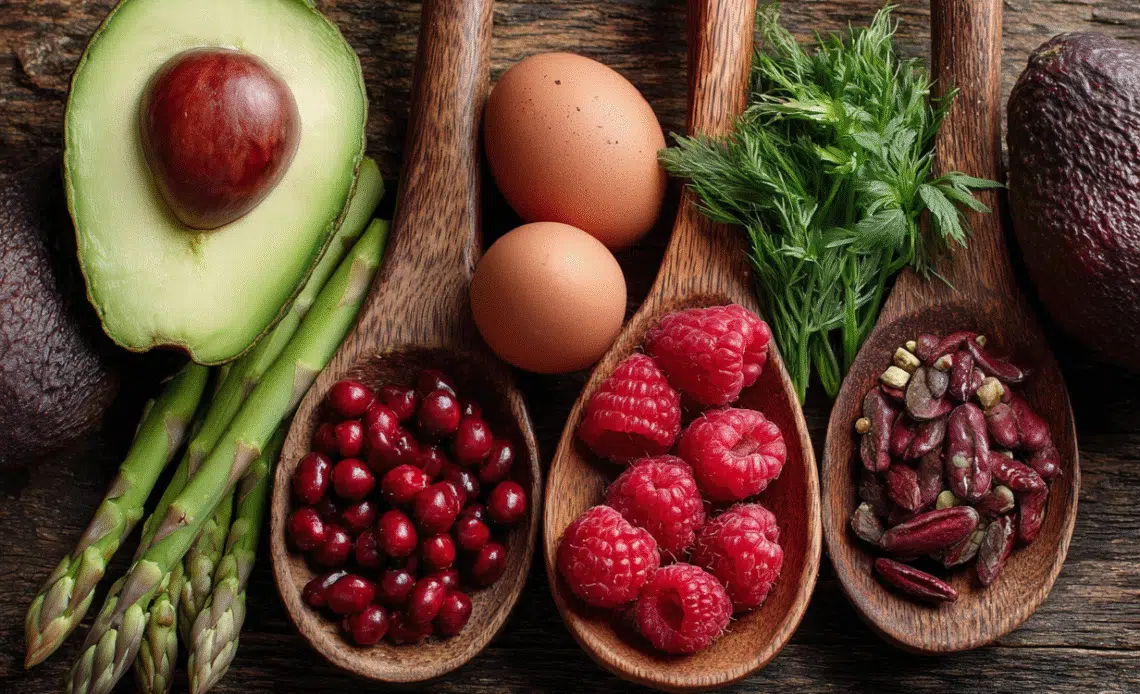
- Berries (strawberries, blueberries, raspberries) → High in fiber and antioxidants
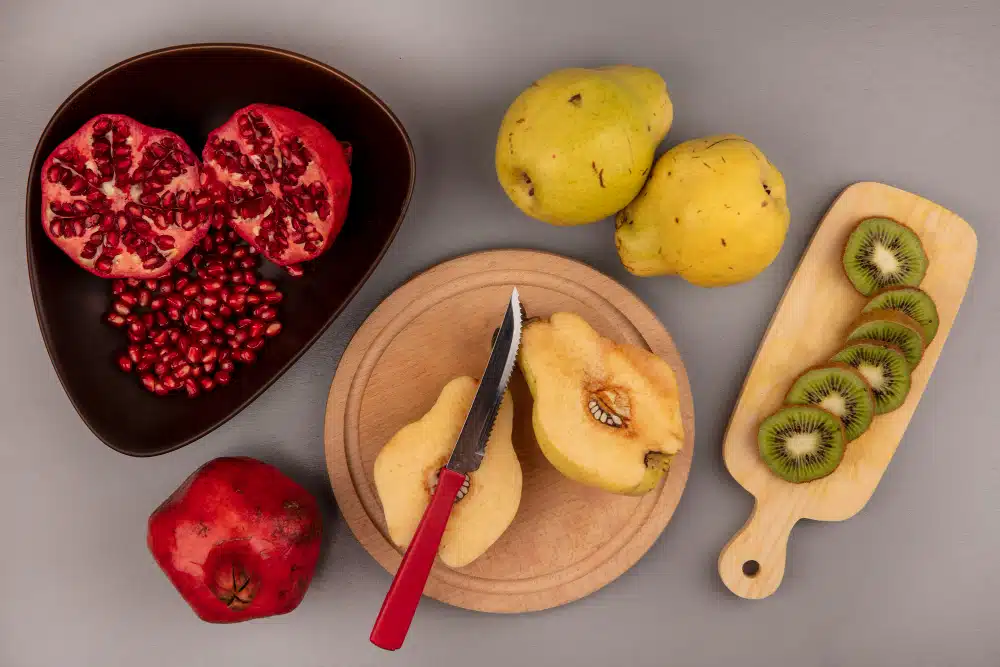
- Pears and apples (with skin) → Contain soluble fiber that absorbs water
- Prunes → Natural laxative effect due to sorbitol
Tip: Aim for at least 2–3 servings of fruit per day to support digestion and stool regularity.
2. Vegetables Rich in Fiber
Vegetables are fiber powerhouses that also provide vitamins and minerals for overall gut health. Include:
- Leafy greens (spinach, kale, Swiss chard)
- Cruciferous vegetables (broccoli, cauliflower, Brussels sprouts)
- Carrots, zucchini, and bell peppers
Practical Tip: Add a variety of vegetables to meals or smoothies to hit daily fiber goals of 25–30 grams.
3. Whole Grains
Refined grains can contribute to constipation, while whole grains promote healthy digestion. Examples include:
- Oats
- Brown rice
- Quinoa
- Whole-wheat bread and pasta
- Barley
Dietitian Advice: Swap white bread and pasta for whole-grain alternatives to gradually increase fiber intake without bloating.
4. Legumes
Legumes are excellent sources of plant-based protein and fiber, making them ideal for preventing hemorrhoids. Include:
- Lentils
- Chickpeas
- Black beans
- Kidney beans
Tip: Start with smaller portions and drink plenty of water to avoid gas or bloating.
5. Nuts and Seeds
Nuts and seeds not only provide healthy fats but also promote gut motility due to their fiber content. Recommended options:
- Chia seeds
- Flaxseeds
- Almonds
- Walnuts
Practical Tip: Sprinkle seeds on oatmeal, yogurt, or salads for added fiber and crunch.
6. Water-Rich Foods
Hydration is key for soft stools. Water-rich foods naturally contribute to hydration and stool consistency:
- Cucumbers
- Watermelon
- Celery
- Oranges and other citrus fruits
Dietitian Tip: Aim for at least 8 glasses of water per day and include hydrating foods for optimal bowel health.
7. Fermented Foods
Fermented foods support healthy gut bacteria, which can improve digestion and reduce constipation risk:
- Yogurt with live cultures
- Kefir
- Sauerkraut
- Kimchi
Step-by-Step Tip: Include fermented foods daily or a few times per week to maintain a healthy microbiome.
Step-by-Step Guide to Incorporate These Foods
Here’s a simple approach to preventing hemorrhoids through diet:
- Start your day with fiber → Oatmeal topped with berries and chia seeds
- Snack smart → Apple slices with almond butter or a handful of nuts
- Include legumes at lunch or dinner → Lentil salad or chickpea stir-fry
- Fill half your plate with vegetables → Roast, steam, or add to soups
- Stay hydrated → Drink water and eat water-rich fruits throughout the day
- Add fermented foods → Yogurt for breakfast or kimchi with dinner
Practical Tips from Dietitians
- Gradually increase fiber → Sudden changes may cause bloating or gas
- Exercise regularly → Promotes healthy bowel movements
- Avoid prolonged sitting → Reduces pressure on veins in the rectum
- Limit processed foods → High-fat and low-fiber foods can worsen constipation
FAQs About Foods That Prevent Hemorrhoids
1. Which fruits are best for preventing hemorrhoids?
High-fiber fruits like berries, apples, pears, and prunes are most effective in keeping stools soft and regular.
2. Can drinking more water help prevent hemorrhoids?
Yes, staying hydrated helps prevent constipation, which reduces straining and hemorrhoid formation.
3. Are whole grains effective in preventing hemorrhoids?
Absolutely. Whole grains provide both soluble and insoluble fiber, which promotes smooth digestion and regular bowel movements.
4. Can fermented foods improve hemorrhoid symptoms?
Yes. Fermented foods support healthy gut bacteria, improving digestion and reducing constipation, a key risk factor for hemorrhoids.
5. How often should I eat fiber-rich foods to prevent hemorrhoids?
Dietitians recommend including fiber in every meal—aim for 25–30 grams daily from fruits, vegetables, whole grains, legumes, nuts, and seeds.
6. Do nuts and seeds help with hemorrhoids?
Yes. They contain fiber and healthy fats that promote gut motility and soft stools, helping reduce straining.
Conclusion: Take Control of Hemorrhoid Prevention
Preventing hemorrhoids doesn’t have to be complicated. By including the 7 best foods to prevent hemorrhoids—high-fiber fruits, vegetables, whole grains, legumes, nuts, water-rich foods, and fermented foods—you can support healthy digestion and reduce discomfort.