
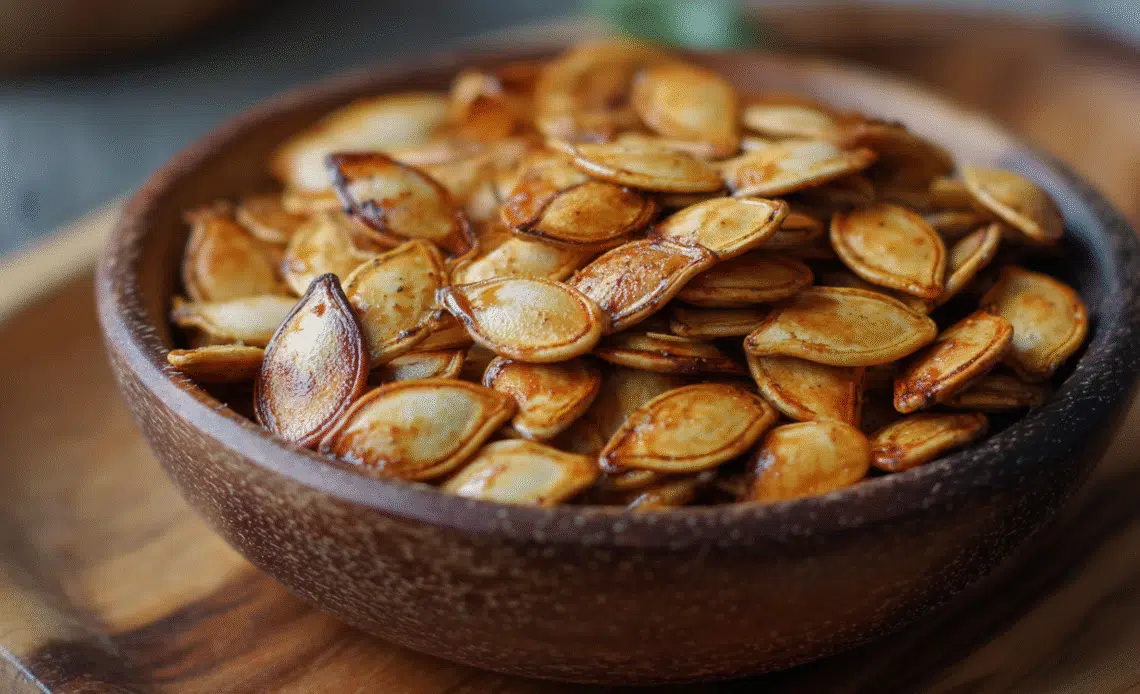
Roasted Butternut Squash Seeds are the perfect solution when you’re committed to a sugar detox or a whole-foods lifestyle and struggling to find satisfying, crunchy snacks. It’s all too easy to reach for processed options, but what if one of the best snacks was hiding in your kitchen scraps all along? The next time you prepare a butternut squash, resist the urge to scoop those seeds into the compost bin. Instead, transform them into a delicious, nutrient-packed treat and discover the simple, sustainable magic of turning waste into wellness.
This practice is a cornerstone of waste-free cooking and aligns perfectly with a health-conscious diet. These Roasted Butternut Squash Seeds are not just a byproduct; they are a intentional, delicious snack rich in healthy fats and fiber, providing a satisfying crunch without any added sugar or artificial ingredients. They are the perfect topping for salads and soups, or simply enjoyed on their own.
What Are Roasted Butternut Squash Seeds and Why Do They Matter?
The concept of roasting seeds is ancient, with pumpkin seeds being a common snack, especially in the fall. However, many people are unaware that the seeds from other winter squash, like butternut, are just as edible and delicious. The traditional method often involves a generous amount of salt and sometimes added sugars or oils.
Our method for Roasted Butternut Squash Seeds focuses on purity and health. We use a minimal amount of high-quality extra-virgin olive oil and a pinch of salt to enhance the seeds’ natural, nutty flavor without overpowering it. This approach makes the snack entirely sugar-free and aligns with clean-eating principles. By learning this technique, you’re not just making a snack; you’re adopting a sustainable kitchen habit that reduces food waste and maximizes nutrition. This simple act of transformation is what mindful, health-focused cooking is all about.
The Powerful Health Benefits in Every Handful
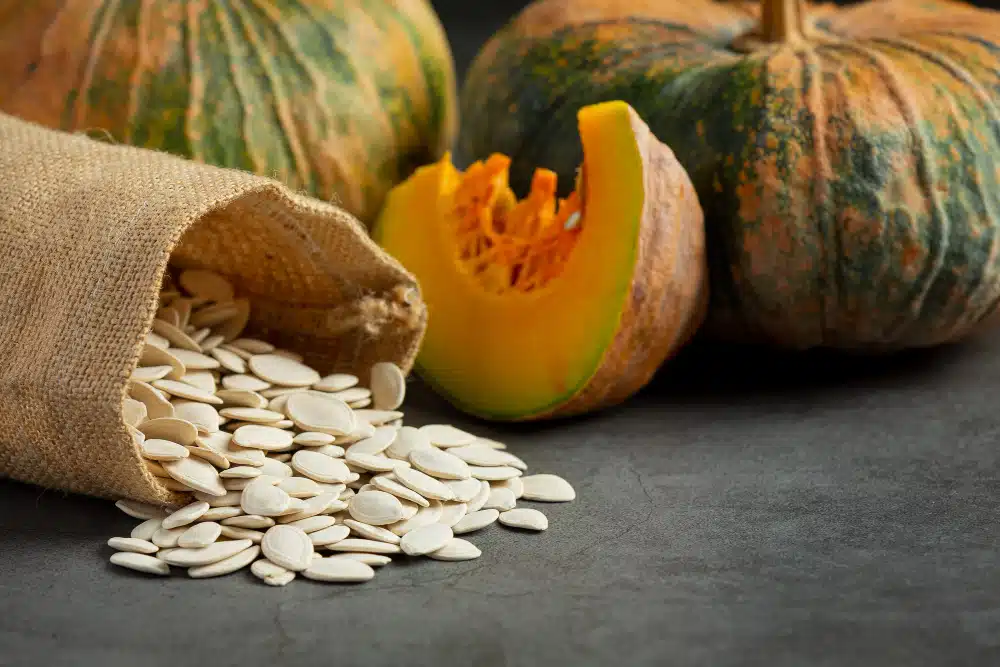
Don’t let their small size fool you; these seeds are nutritional powerhouses. Turning your squash seeds into a snack is one of the easiest ways to add a boost of vital nutrients to your day.
- Fiber and Healthy Fats: Like their pumpkin seed cousins, butternut squash seeds are an excellent source of dietary fiber, which aids in digestion and promotes a feeling of fullness. They are also rich in healthy polyunsaturated and monounsaturated fats, which are beneficial for heart health.
- Essential Minerals: These tiny seeds are packed with important minerals. They are a notable source of magnesium, which is crucial for muscle and nerve function, blood sugar control, and blood pressure regulation. They also provide iron, which is essential for transporting oxygen in the blood, and zinc, which supports immune function.
- Plant-Based Protein: Roasted Butternut Squash Seeds offer a valuable source of plant-based protein, making them an excellent snack for sustaining energy levels between meals.
- Dietary Compliance: This recipe is naturally gluten-free, vegan, paleo-friendly, and keto-compliant (in moderation), making it a versatile and inclusive snack for almost any dietary pattern.
Addressing Potential Challenges
We want your seed-roasting experience to be a success, so let’s tackle a couple of common hurdles.
- Cleaning the Seeds: The stringy, pulpy squash flesh can be stubborn. The best method is to place the seeds in a colander or sieve and rinse them under cold running water. Use your fingers to separate the seeds from the pulp. Don’t worry about getting every last bit; a little pulp can add extra flavor.
- Getting the Crispness Right: The key to a perfectly crunchy seed is twofold: thorough drying before oiling, and not overcrowding the baking sheet. Pat the seeds completely dry with a kitchen towel or paper towel after rinsing. A damp seed will steam rather than roast. Spreading them in a single layer ensures they crisp up evenly.
Tips and Trends for a Zero-Waste Kitchen
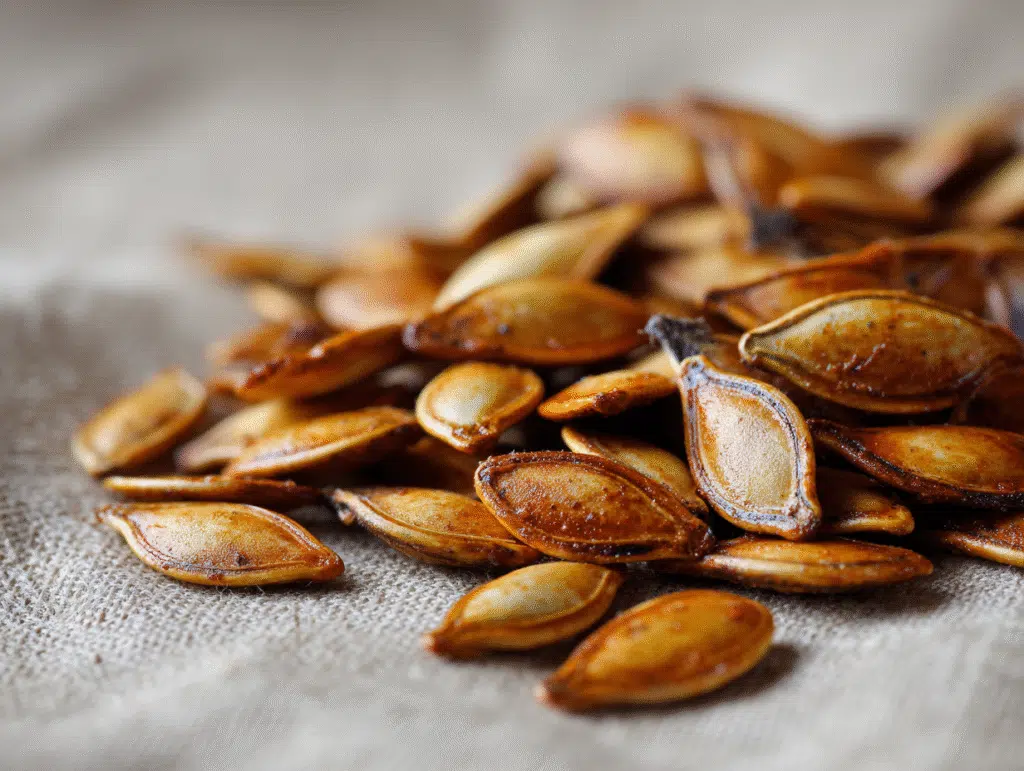
The trend towards “root-to-stem” or “nose-to-tail” cooking for vegetables is gaining momentum, and this recipe is a perfect example. Using every part of your produce not only reduces food waste but also maximizes the nutritional value of your groceries. Integrating this practice into your weekly meal planning, perhaps with the help of a food-waste tracking app, can make your kitchen more sustainable and economical. This simple act of roasting seeds is a small but powerful step in a more mindful culinary direction.
Frequently Asked Questions
Question: Can I use this method for seeds from other types of squash?
Answer: Absolutely! This recipe works beautifully for the seeds of any winter squash or pumpkin. The roasting time may vary slightly depending on the size and thickness of the seeds.
Question: My seeds turned out chewy, not crispy. What went wrong?
Answer: Chewy seeds are almost always a result of insufficient drying before roasting or an overcrowded baking sheet. Ensure you pat them thoroughly dry with a towel and spread them in a single layer with a little space between them for the best, crispiest results.
Question: Are butternut squash seeds actually good for you?
Answer: Yes, they are highly nutritious! They are a good source of dietary fiber, healthy fats, plant-based protein, and essential minerals like magnesium and zinc. They are a wholesome, whole-food snack.
Question: Do I need to soak the seeds before roasting?
Answer: Soaking is not necessary for butternut squash seeds. For pumpkin seeds, some people soak and boil them to achieve a specific texture, but for butternut seeds, a simple rinse and thorough drying is all that’s required.
Conclusion
Turning your butternut squash seeds into a delicious snack is a small act with big rewards. It reduces food waste, provides a fantastic sugar-free crunchy snack, and adds a valuable source of fiber and nutrients to your diet. We encourage you to try this simple technique the next time you cook with squash—you’ll never look at those seeds the same way again.
Did you try this recipe? What are your favorite seasonings for roasted seeds? Share your creations with us in the comments below, and for more tips on sugar-free, whole-foods cooking, be sure to explore sugardetoxlab.com.