
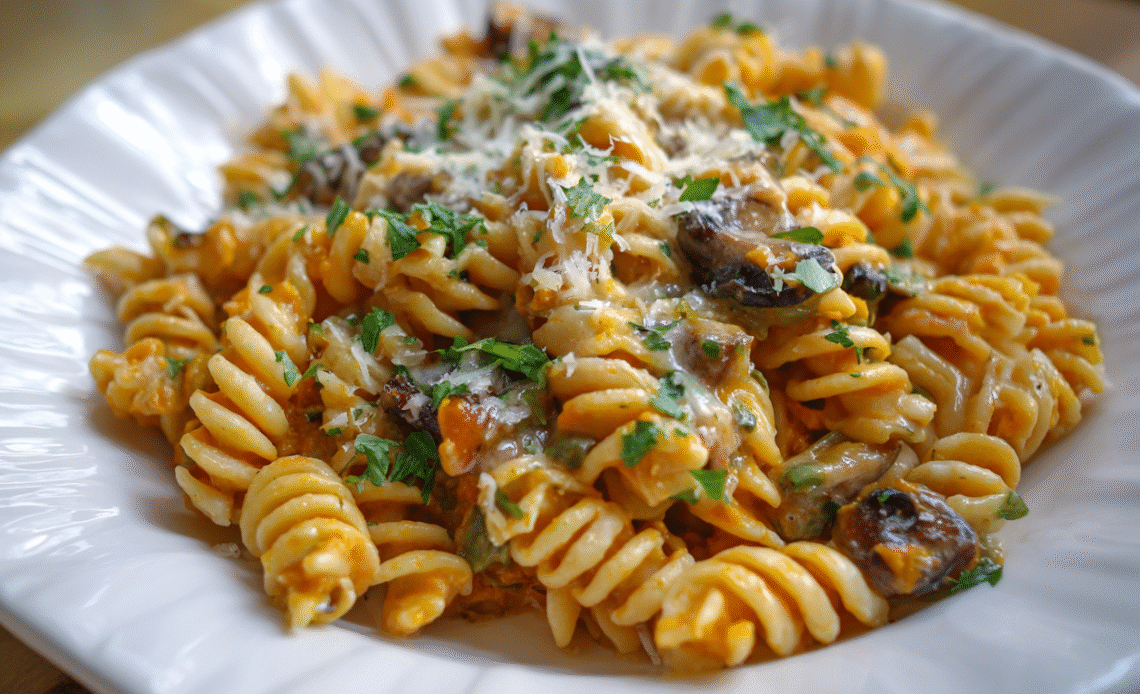
When you think of creamy pasta sauces, what comes to mind? For many, it’s rich, heavy dishes laden with butter, cream, and cheese—comforting in the moment but often leaving you feeling sluggish afterwards. These traditional sauces can also be surprising sources of hidden sugars and saturated fats. But what if you could enjoy that same luxurious, creamy texture in a pasta dish that’s actually nourishing your body? Welcome to the revolutionary concept of sweet potato pasta—a dish where the sauce itself becomes the superfood.
This isn’t pasta made from sweet potatoes, but rather a brilliant way to use sweet potatoes to create the sauce. Our sweet potato pasta recipe is a game-changer for anyone seeking comfort food that aligns with a health-conscious lifestyle. It’s a testament to the power of whole foods, demonstrating how vegetables can transform into something indulgent-tasting while remaining incredibly good for you. Let’s explore how this vibrant dish can become your new favorite way to enjoy pasta.
What Is Sweet Potato Pasta and Why Does This Version Matter?
The term “sweet potato pasta” might initially bring to mind spiralized sweet potatoes used as a pasta substitute. While that’s a popular low-carb option, our approach is different and, we believe, even more revolutionary. Here, sweet potato pasta refers to traditional wheat pasta coated in a velvety sauce made primarily from blended sweet potatoes. This concept matters because it addresses several common issues with both traditional and “healthy” pasta dishes.
Traditional cream sauces are typically high in saturated fat and calories. Meanwhile, many “lightened-up” pasta sauces rely heavily on tomatoes (which can be acidic) or lack the comforting richness that makes pasta so appealing. Our version of sweet potato pasta creates creaminess through the natural texture of cooked and blended sweet potatoes, enhanced with just a small amount of low-fat dairy. The sweet potato provides a subtle natural sweetness, eliminating any need for added sugar while contributing significant nutritional value. This approach transforms pasta from a simple carbohydrate delivery system into a balanced meal packed with vitamins, fiber, and complex carbohydrates.
The Impressive Health Benefits of This Vibrant Dish
This dish represents a perfect marriage of comfort and nutrition, with each ingredient chosen for its health-promoting properties.
- Beta-Carotene Powerhouse from Sweet Potato: The star ingredient, sweet potato, is one of nature’s richest sources of beta-carotene, which converts to vitamin A in the body. Vitamin A is crucial for vision, immune function, and skin health. Sweet potatoes are also an excellent source of complex carbohydrates and dietary fiber, which supports digestive health and helps create a feeling of fullness. Their natural sweetness comes with a lower Glycemic Index than white potatoes, meaning they provide a more steady release of energy.
- Gut-Friendly Creaminess from Yoghurt: Instead of heavy cream, we use low-fat natural yoghurt to add tang and creaminess to the sauce. Yoghurt is a fantastic source of protein and contains probiotics, which are beneficial bacteria that support a healthy gut microbiome. A healthy gut is increasingly understood as fundamental to overall well-being, from immunity to mental health.
- Lean Protein and Calcium from Dairy: The small amounts of milk and reduced-fat hard cheese contribute high-quality protein and calcium without the saturated fat of their full-fat counterparts. This makes the sauce satisfying and nutritious while keeping it light.
- Additional Fiber and Nutrients from Peas: The peas add a pop of color, texture, and an extra boost of plant-based protein and fiber, making the dish even more balanced and satisfying.
This sweet potato pasta is naturally free from added sugars, making it a perfect fit for a clean-eating plan. It is vegetarian and can be made gluten-free by using gluten-free pasta. While not suitable for keto, paleo, or vegan diets as written, it can be easily adapted—use plant-based yoghurt and cheese alternatives for a vegan version.
Addressing Potential Challenges and Easy Solutions
Creating a perfectly creamy vegetable-based sauce is simple with these helpful tips.
- Challenge: Lumpy Sauce. Achieving a smooth, restaurant-quality texture can be difficult when blending vegetables.
- Solution: Ensure the sweet potato is cooked until very tender—it should be easily pierced with a fork. When blending, add a little of the cooking liquid or milk to help create a smoother puree. A stick blender or food processor will give you a smoother result than mashing by hand.
- Challenge: Sauce Too Thick. The sweet potato puree can sometimes become too thick to coat the pasta properly.
- Solution: Reserve a cup of the starchy pasta water before draining. After combining the sauce and pasta, add this water a tablespoon at a time until you reach your desired consistency. The starch in the water will also help the sauce cling to the pasta beautifully.
- Challenge: Balancing the Sweetness.
- Solution: The black pepper in this recipe is not just a garnish—it’s essential for balancing the natural sweetness of the potato. Don’t skip it! A pinch of nutmeg or a teaspoon of lemon juice can also help balance the flavors beautifully.
Tips and Trends for Modern Healthy Cooking
This sweet potato pasta perfectly aligns with the “hidden vegetables” trend, making it easier to increase your family’s nutrient intake without resistance. AI-based meal planning apps can suggest this recipe when it detects you have sweet potatoes that need using, reducing food waste. The growing popularity of “root-to-stem” cooking is also reflected here, as we’re using the entire sweet potato. A good-quality stick blender is a worthwhile investment for this type of cooking, making it easy to create perfectly smooth vegetable-based sauces.
Frequently Asked Questions (FAQ)
Question: Can I use regular potatoes instead of sweet potatoes?
Answer: While you could use regular potatoes, the flavor and nutritional profile would be quite different. Sweet potatoes provide the signature subtle sweetness and vibrant color, along with significantly more vitamin A.
Question: My sauce is too sweet. How can I balance the flavor?
Answer: Increase the black pepper, add a squeeze of lemon juice, or stir in a teaspoon of Dijon mustard. A pinch of salt (if you’re not strictly avoiding it) can also help balance the sweetness.
Question: Can I freeze the sweet potato pasta sauce?
Answer: Yes, the sauce freezes well for up to 3 months. Freeze it separately from the pasta. Thaw in the refrigerator overnight and reheat gently, stirring in a little milk or water to refresh the consistency. Note that the yoghurt may separate slightly upon thawing, but stirring will recombine it.
Question: What type of pasta shapes work best with this sauce?
Answer: Shapes like penne, fusilli, or farfalle work wonderfully as their nooks and crannies hold the creamy sauce. Ribbon pasta like fettuccine also works well.
Conclusion
This sweet potato pasta is more than just a recipe—it’s a new perspective on what pasta can be. It demonstrates how simple, whole ingredients can come together to create something that feels indulgent while being genuinely nourishing. We encourage you to try this vibrant, creamy dish, experience the surprising delight of vegetable-based sauces, and discover a new favorite that satisfies both your cravings and your nutritional needs.
What’s your favorite way to use vegetables to create creamy sauces? Share your ideas in the comments below, and for more sugar-free, vegetable-forward recipes to support your wellness journey, be sure to explore sugardetoxlab.com.