
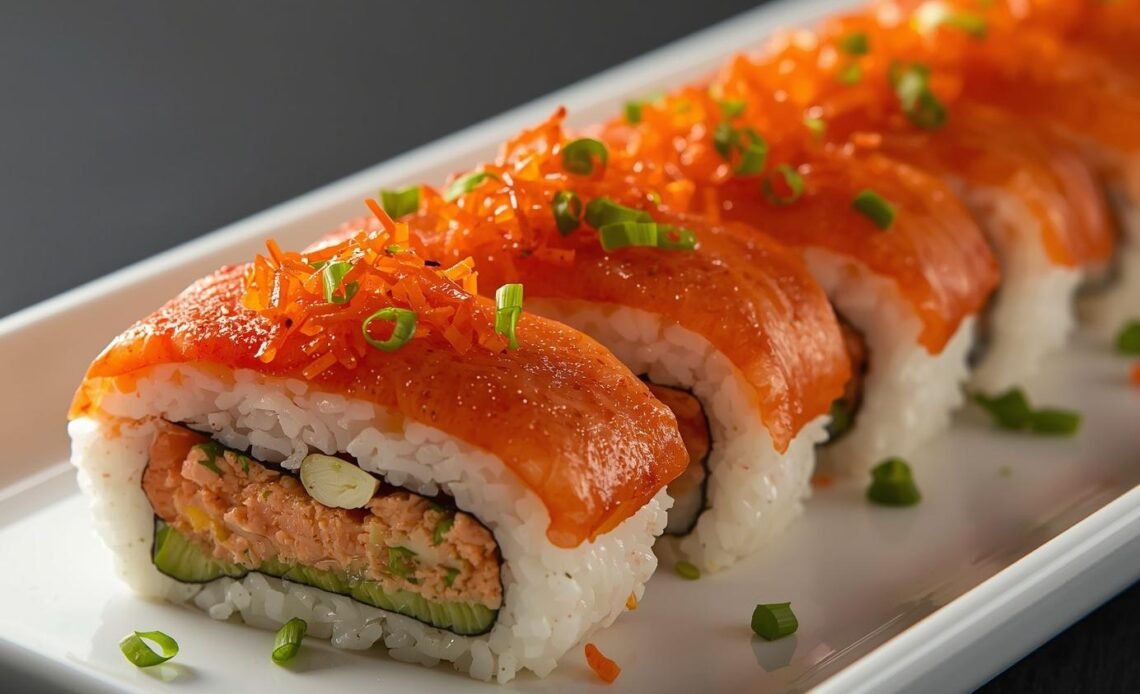
At Sugar Detox Lab, we champion the idea that healthy eating is a global adventure. Exploring vibrant cuisines shouldn’t be off-limits; it’s about understanding them and making mindful adaptations that keep the spirit alive. Sushi is a beloved classic, but making it at home can feel daunting. Enter the brilliant, deconstructed solution: the Spicy Salmon Sushi Bake Recipe. This viral dish takes all the iconic flavors of a spicy salmon roll—the seasoned rice, the rich fish, the creamy heat—and transforms them into an easy, shareable casserole. It’s a fun, interactive, and surprisingly simple way to enjoy the essence of sushi without the fuss of rolling, and it’s a perfect canvas for making smarter ingredient choices.
What Is a Spicy Salmon Sushi Bake and Why Is It a Smart Trend?
Traditional sushi, particularly rolls, involves precise technique, specialized tools, and often relies on white sushi rice seasoned with a mix that includes sugar. While a beautiful art form, it can be high in refined carbohydrates and, in the case of spicy mayo, contain sugars and oils in the mayonnaise. The Spicy Salmon Sushi Bake revolutionizes this experience. It’s a baked casserole with a base of seasoned sushi rice, a middle layer of a creamy, spicy salmon mixture, and toppings like nori and green onions.
This version matters because it democratizes sushi flavors while giving you complete control over the ingredients. You can adjust the sugar in the rice seasoning, choose a high-quality mayonnaise with healthier oils, and ensure your Sriracha has no added sweeteners. The bake format is inherently social and customizable, perfect for gatherings where everyone can scoop their desired amount onto nori sheets or salad greens. It’s a fantastic example of how a modern food trend can be adapted to fit a more health-conscious, sugar-aware lifestyle without sacrificing the communal joy of eating.
Nutritional Spotlight: Balancing Flavor and Wellness
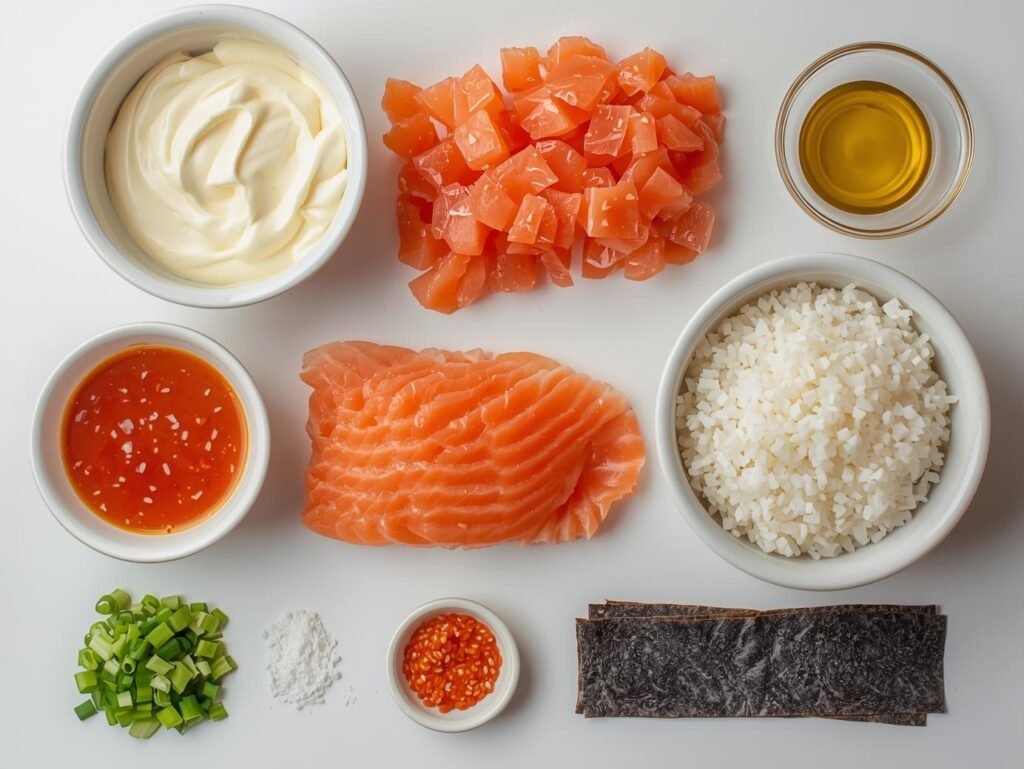
Let’s break down the key components of this Spicy Salmon Sushi Bake Recipe and explore their nutritional profiles and potential adaptations.
- The Foundation: Sushi Rice. The rice provides the comforting, sticky base. Sushi rice is a short-grain white rice, which is a refined carbohydrate. The seasoning (rice vinegar, sugar, salt) is essential for authentic flavor. For a lower-glycemic option, you can experiment by reducing the sugar by half or substituting it with a monk fruit sweetener. Alternatively, for a grain-free version, seasoned cauliflower rice can be used, though the texture will be different. The rice is a source of quick energy; pairing it with the protein and fats from the salmon helps moderate its glycemic impact.
- The Star: Fresh Salmon. This is the nutritional powerhouse of the dish. Salmon is exceptionally rich in omega-3 fatty acids (EPA and DHA), which are crucial for heart and brain health. It’s also an excellent source of high-quality protein, vitamin D, and B vitamins. Using fresh, high-quality salmon is key.
- The Creamy Heat: Spicy Mayo. This mixture typically combines mayonnaise and Sriracha. This is a prime area for a healthy upgrade. Opt for an avocado oil or olive oil-based mayonnaise to incorporate better fats. Check your Sriracha label for added sugar—many brands contain it. You can use a pure chili paste or sauce without sweeteners to control the heat and sugar content precisely.
- The Functional Garnishes: Green onions provide a fresh, sharp bite and contain beneficial plant compounds. Nori seaweed is packed with iodine, essential for thyroid function, and other minerals like iron and calcium. Tobiko (fish roe) adds a fun pop of texture and is a good source of omega-3s and vitamin B12.
This dish, as written, is not keto or paleo due to the rice. However, by swapping the rice for cauliflower rice and ensuring your mayo and Sriracha are sugar-free, you can create a fantastic keto-friendly version. It’s naturally gluten-free.
Mastering the Bake: Tips for Perfect Layers and Flavor
The main challenges are achieving perfectly seasoned, non-mushy rice and ensuring the salmon mixture is flavorful and moist without becoming watery during baking.
Here are our essential tips for success:
- Rinse Your Rice Thoroughly: This is non-negotiable for sushi rice. Rinse under cold water until the water runs clear. This removes excess surface starch, preventing the rice from becoming gummy.
- Season the Rice While Warm: Fold the vinegar-sugar-salt mixture into the rice immediately after cooking while it’s still hot. This allows the rice to best absorb the seasoning. Fan the rice as you mix to help it cool quickly and achieve a glossy finish.
- Drain the Salmon Well: After dicing the fresh salmon, pat it gently with a paper towel to remove any excess moisture. This prevents the spicy mayo layer from becoming watery.
- Don’t Overbake: The goal is to warm the salmon mixture through and let the flavors meld, not to fully cook the salmon (as it’s already fresh and will “cook” in the oven’s heat). Bake just until the edges are lightly bubbly, about 10-15 minutes. Overbaking can dry out the salmon.

Tips and Trends: The Social, Adaptable Kitchen
The Spicy Salmon Sushi Bake is a prime example of the “deconstructed” and “shareable” food trends, perfect for interactive dining. Using an AI nutrition app can help you calculate the exact macros, especially if you make low-carb substitutions. The popularity of sushi bakes speaks to a desire for restaurant-inspired flavors made accessible at home, and our approach ensures you can enjoy this trend while making mindful choices about sugars and fats.
Frequently Asked Questions
Question: Can I use canned salmon instead of fresh?
Answer: You can, but the texture and flavor will be different. Use high-quality, boneless, skinless canned salmon and drain it very well. Fresh salmon is highly recommended for the best taste and texture.
Question: Is it safe to bake salmon that is meant to be eaten raw?
Answer: Yes, as long as it is true sushi-grade salmon from a reputable source. The brief baking time in this recipe is designed to warm it and set the mayo mixture, not to cook it through like a fillet. The salmon will turn opaque but remain tender.
Question: My rice turned out mushy. How can I fix this next time?
Answer: Mushy rice is usually caused by too much water or over-rinsing after cooking. Ensure you use the correct water-to-rice ratio (1.25:1 is standard for sushi rice). Do not rinse the rice after cooking. Fluff and season it immediately in a wide bowl to let steam escape.
Conclusion
This Spicy Salmon Sushi Bake Recipe is more than just a meal; it’s an experience. It captures the addictive flavor combination of a spicy salmon roll in a format that’s communal, customizable, and wonderfully approachable. By understanding the role of each component, you can adapt it to fit your dietary preferences without losing its essential charm.
We encourage you to gather friends or family, preheat your oven, and dive into this fun, flavorful dish. Let everyone build their own perfect bite and enjoy the shared delight of a sushi night, reimagined. For more globally-inspired recipes with a healthy twist, explore our full collection at sugardetoxlab.com, subscribe for weekly culinary inspiration, and tell us in the comments what your favorite sushi roll inspiration would be for a bake!