
If you’ve ever wondered “Is tofu healthy?”, you’re on the right track. Tofu is a plant-based staple in many diets, especially vegetarian and vegan ones. It’s praised for being rich in protein, low in saturated fat, and nutrient-dense. But what if you’re allergic to soy or looking for soy free tofu options? This guide covers everything you need to know about tofu, its benefits, risks, and practical ways to include it in your diet — including alternatives for those avoiding soy.
What Is Tofu? Basic Facts & Nutritional Profile
What Is Tofu?
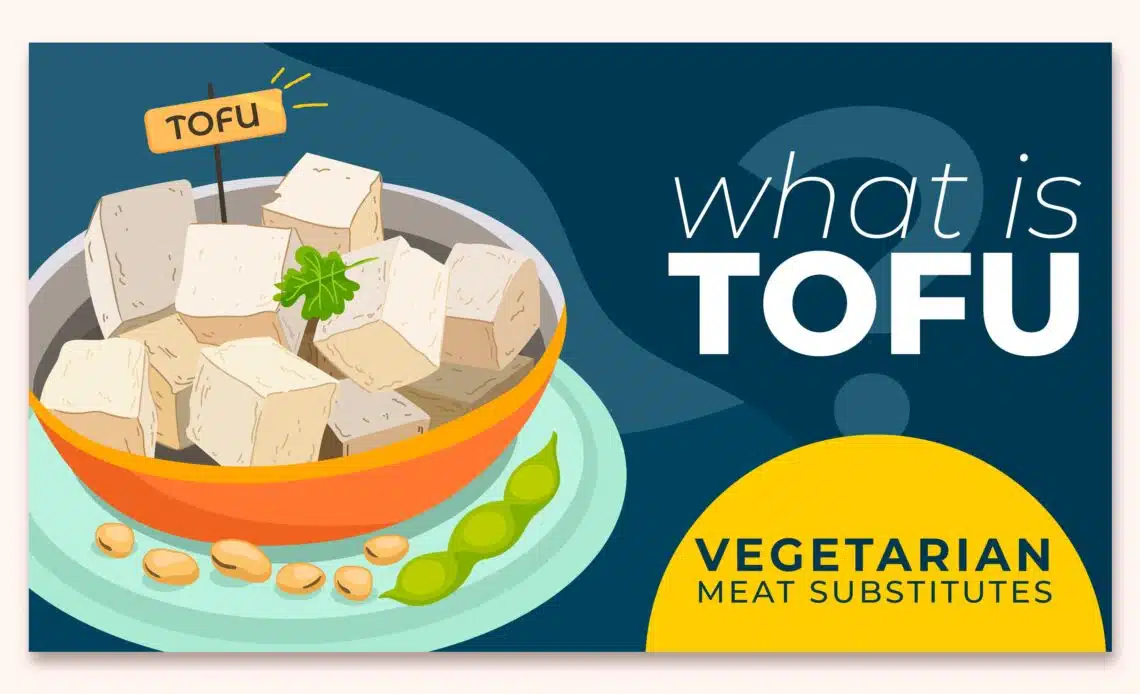
Tofu (or bean curd) is made by coagulating soy milk and pressing the curds into blocks. There are various textures — silken, soft, firm, extra-firm — each suited for different uses. For those who cannot consume soy, soy free tofu alternatives are available, made from chickpeas, hemp, or other legumes.
Nutrition Snapshot
Tofu provides:
- High-quality plant protein, containing all nine essential amino acids.
- Low in saturated fat and cholesterol-free.
- Good source of calcium, iron, and minerals, depending on the coagulant.
- Contains isoflavones (phytoestrogens) with potential health benefits.
Soy free tofu alternatives have similar protein and mineral content but use non-soy bases for those with allergies or sensitivities.
Health Benefits of Tofu
1. Excellent Plant Protein Source
Tofu is especially valuable for vegetarians and vegans. Soy free tofu also provides protein, making it a versatile option for people avoiding soy.
2. Heart Health & Cholesterol
Replacing red meat with tofu can support better cardiovascular health because it’s low in saturated fat.
3. Bone & Mineral Support
Calcium-set tofu contributes to bone health. Soy free tofu varieties may also be fortified with calcium to provide similar benefits.
4. Weight Management
High protein and low-calorie content help with satiety, supporting weight management.
5. Antioxidants & Bioactive Compounds
Isoflavones in regular tofu have antioxidant effects. While soy free tofu lacks soy isoflavones, it still offers plant-based nutrients and fiber.
6. Possible Cancer-Protection Effects
Moderate soy intake may be linked to lower risks of certain cancers. Soy free tofu offers a safe alternative for those who cannot consume soy.
7. Gut & Digestive Health
Both regular and soy free tofu varieties may aid digestion due to their fiber and protein content.
Potential Concerns & Risks
1. Soy Allergies & Sensitivities
Traditional tofu contains soy, which can trigger allergies. Soy free tofu is a safe alternative for these individuals.
2. Isoflavone and Hormonal Effects
Soy-based tofu contains phytoestrogens; soy free tofu avoids these compounds, making it suitable for those concerned about estrogenic effects.
3. Goitrogens & Thyroid
Soy may affect thyroid function in susceptible individuals; soy free tofu is a safer option for those with thyroid concerns.
4. Antinutrients (Phytates)
Tofu has phytates that can reduce mineral absorption. Soy free tofu may have lower levels, depending on the base ingredient.

What Is Soy Free Tofu?
Soy free tofu is a plant-based tofu alternative made from non-soy sources, such as:
- Chickpeas (Chickpea Tofu)
- Hemp seeds (Hemp Tofu)
- Lentils or peas
- Almonds or cashews
These alternatives mimic the texture and protein content of traditional tofu but are suitable for:
- People with soy allergies
- Those avoiding GMO soy
- Individuals seeking variety in plant-based diets
How to Choose & Eat Tofu Smartly
Step 1: Choose the Right Type
- Regular tofu: silken, soft, firm, extra-firm
- Soy free tofu: check ingredients for chickpea, hemp, or nut-based options
Step 2: Press & Drain
Remove excess water for better texture and flavor absorption.
Step 3: Marinate & Season
Use flavorful marinades (soy sauce alternatives, herbs, spices).
Step 4: Healthy Cooking Methods
Grill, bake, stir-fry, or air-fry with minimal oil. Avoid deep-frying.
Step 5: Balance Your Meal
Pair tofu or soy free tofu with vegetables, whole grains, and healthy fats.
Step 6: Moderate Intake
Rotate between tofu, soy free tofu, tempeh, legumes, and other protein sources.
Frequently Asked Questions
1. Is tofu healthy for weight loss?
Yes — low in calories, high in protein, and filling, making it ideal for weight management.
2. Can I replace regular tofu with soy tofu?
Absolutely — use a 1:1 ratio in cooking, baking, and stir-fries.
3. Does tofu have the same nutrients as traditional tofu?
It provides protein, minerals, and fiber, though it lacks soy isoflavones. Some varieties are fortified with calcium.
4. Is soy free tofu suitable for thyroid health?
Yes — it avoids soy isoflavones, making it safer for individuals with thyroid concerns.
5. Where can I buy soy tofu?
Health food stores, online retailers, and specialty grocery stores often stock chickpea, hemp, or nut-based tofu.
6. How do I cook soy tofu?
Treat it like regular tofu: bake, grill, stir-fry, or blend into smoothies. Marinating improves flavor.
Conclusion & Call to Action
So, is tofu healthy? Yes — for most people, it’s a nutritious and versatile plant-based protein. For those allergic to soy or avoiding soy, soy free tofu provides a safe, delicious, and protein-rich alternative.
Start experimenting with different textures and cooking methods, and rotate tofu with soy free tofu and other plant-based proteins to maximize variety and nutrition.