

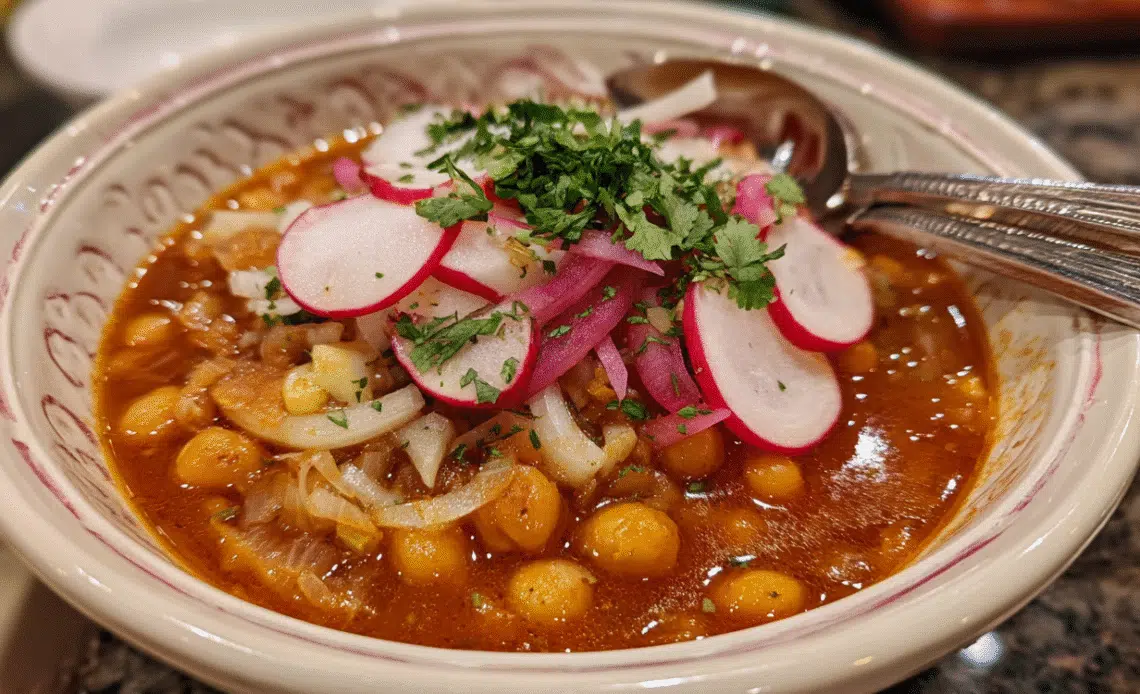
Slow-Cooker Pozole is the perfect solution for finding meals that are both deeply comforting and aligned with a sugar-conscious lifestyle. Traditional comfort foods often rely on hidden sugars and processed ingredients that don’t support your wellness goals, but this authentic Mexican stew delivers warm, satisfying flavor without any compromises. We’re excited to share our nourishing Vegetarian Slow-Cooker Pozole recipe that brings vibrant tradition to your healthy eating plan.
This isn’t your average soup. It’s a carefully crafted celebration of whole foods, featuring hominy, beans, and a rich broth infused with traditional spices. It proves that a sugar-detox lifestyle can be abundant, flavorful, and deeply satisfying. Let’s explore how this authentic-tasting Vegetarian Slow-Cooker Pozole can become a cherished addition to your meal rotation.
What Is Vegetarian Slow-Cooker Pozole and Why It Matters?
Traditional pozole is a classic Mexican soup or stew that’s typically made with pork or chicken and features hominy as its signature ingredient. While delicious, traditional versions can be high in saturated fat and sometimes include processed ingredients or broths with hidden sugars and sodium.
Our Vegetarian Slow-Cooker Pozole reimagines this beloved dish for a health-conscious lifestyle. By using protein-rich cannellini beans instead of meat and low-sodium vegetable broth, we create a base that’s naturally lower in fat and free from unwanted added sugars. The deep, complex flavor comes from authentic spices like ancho chile powder and cumin, along with fresh vegetables, rather than relying on sugar or artificial additives. This version matters because it delivers the ultimate comfort food experience while fueling your body with high-quality plant-based nutrients. The slow-cooker method is key, as it allows the flavors to develop fully while making meal preparation incredibly convenient.
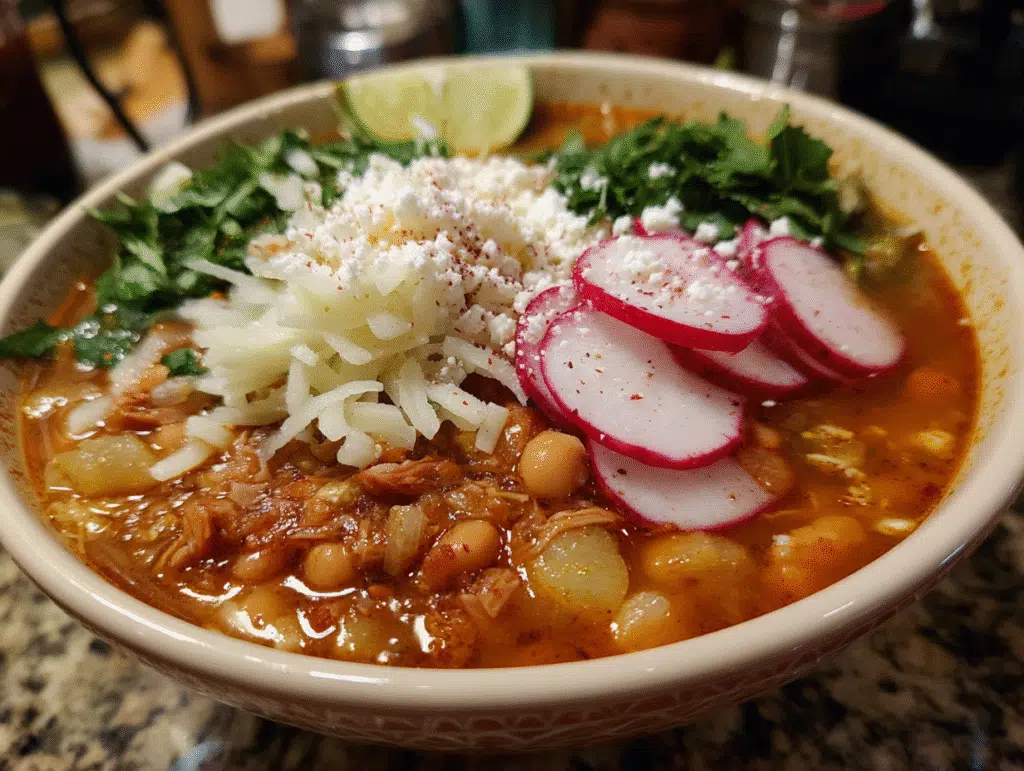
The Powerful Health Benefits in Every Bowl: Slow-Cooker Pozole
Every component of this Vegetarian Slow-Cooker Pozole is chosen for its nutritional benefits and clean ingredient profile.
- Fiber-Rich Cannellini Beans: These creamy white beans are an excellent source of plant-based protein and dietary fiber. The dietary fiber in beans helps regulate blood sugar by slowing the absorption of sugars, supports digestive health, and promotes lasting satiety. They’re also rich in iron and other essential minerals.
- Nutrient-Dense Hominy: Hominy is made from dried maize kernels that have been treated with an alkali solution in a process called nixtamalization. This process not only gives hominy its distinctive flavor and texture but also increases the bioavailability of niacin (Vitamin B3) and makes the nutrients in corn more accessible to your body.
- Antioxidant-Rich Poblano Peppers: Poblanos provide mild heat and are packed with Vitamin C and other antioxidants. They add depth and flavor without the need for excessive salt or sugar.
- Low-Sodium Broth and Fresh Vegetables: By using low-sodium vegetable broth and fresh ingredients, you maintain complete control over the sodium content while maximizing nutritional value.
This pozole is naturally vegetarian, high in fiber, and can be easily adapted to be vegan by omitting the sour cream garnish. It fits perfectly into anti-inflammatory, Mediterranean, and clean-eating plans.
Navigating Potential Challenges: Slow-Cooker Pozole
Creating authentic-tasting pozole at home comes with a few considerations. Here’s how to address them for perfect results every time.
- Ingredient Sourcing: Finding hominy and dried cannellini beans might require a trip to a well-stocked grocery store or Latin market.
- Solution: Most major supermarkets carry canned hominy in the international aisle. For the beans, you can often find dried cannellini beans in the bulk foods section or with other dried legumes. If you can’t find cannellini beans, great northern beans make an excellent substitute.
- Planning for Soaking Time: The dried beans require overnight soaking.
- Solution: If you forget to soak the beans overnight, use the quick-soak method: place the beans in a pot with enough water to cover by 2 inches, bring to a boil for 2 minutes, remove from heat, cover, and let stand for 1 hour. Drain and rinse before using.
- Adjusting Spice Level: The heat level in pozole is personal.
- Solution: This recipe creates a mild to medium heat level. For more heat, add a diced jalapeño with the other vegetables. For a milder pozole, reduce the ancho chile powder by half.
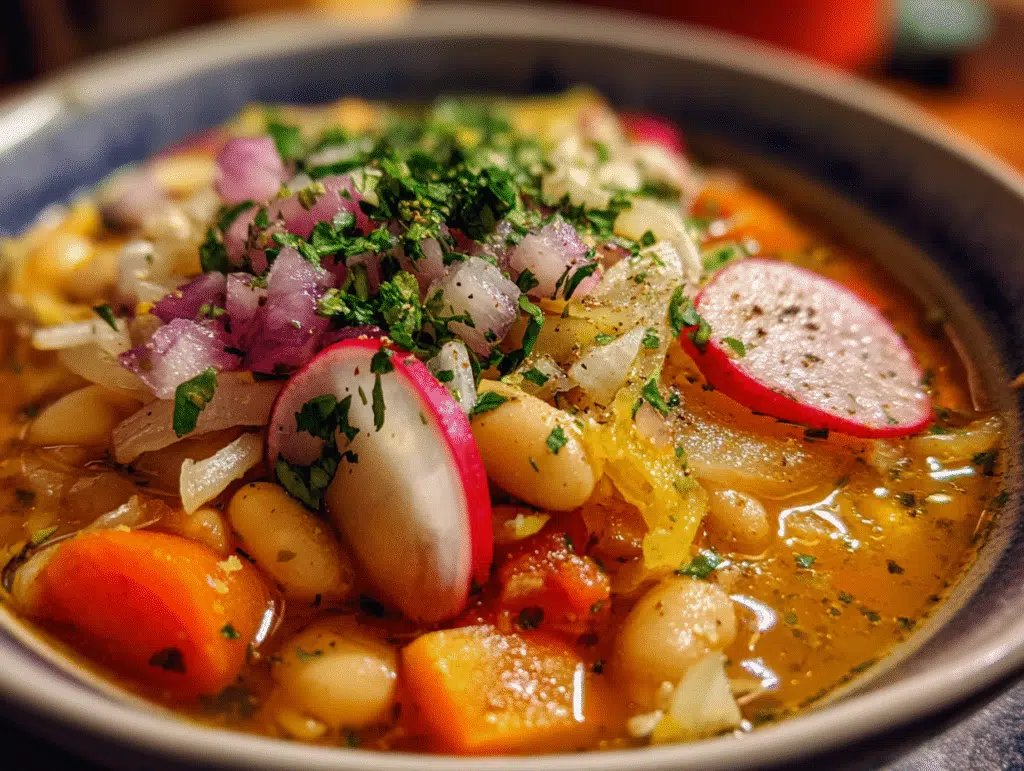
Tips and Trends for Mindful Mexican Cooking
The world of healthy eating continues to embrace global cuisines with a mindful approach. AI-powered kitchen apps can now help you source authentic ingredients for dishes like this pozole, suggesting substitutions if certain items aren’t available in your area. This makes exploring international flavors while maintaining health goals more accessible than ever.
The trend of “bowl foods” like pozole continues to grow, as they offer perfect portions, easy customization, and balanced nutrition in a single vessel. The slow cooker remains an essential tool for health-conscious cooks, transforming simple, whole ingredients into deeply flavorful dishes with minimal effort.
Frequently Asked Questions
Question: Can I use canned beans instead of dried beans in this pozole?
Answer: Yes, you can substitute 2 (15-ounce) cans of cannellini beans, rinsed and drained. Add them during the last hour of cooking to prevent them from becoming too soft.
Question: What’s the difference between pozole verde, rojo, and this version?
Answer: Traditional pozole comes in red (rojo), green (verde), and white (blanco) varieties, typically differentiated by their sauce bases. Our version is most similar to a pozole verde because of the tomatillo salsa, but we’ve created a unique vegetarian adaptation that stands on its own.
Question: My grocery store doesn’t carry ancho chile powder. What can I use instead?
Answer: You can substitute with additional regular chili powder, though the flavor will be slightly different. For a closer match, you can purchase dried ancho chiles, remove the stems and seeds, and grind them in a spice grinder.
Question: Can I make this pozole spicier?
Answer: Absolutely! Add 1-2 chopped jalapeños or serrano peppers with the onions and poblanos. You can also add a pinch of cayenne pepper with the other spices.
Question: Is hominy gluten-free?
Answer: Yes, hominy is naturally gluten-free, making this recipe suitable for those with gluten sensitivities or celiac disease.
Conclusion
This Vegetarian Slow-Cooker Pozole is more than just a convenient meal; it’s a warm, nourishing bowl that celebrates vibrant flavors while supporting your health goals. It demonstrates that you can enjoy authentic-tasting comfort food while feeding your body with the fiber, plant-based protein, and essential nutrients it needs to thrive.
We hope this recipe brings the joy of traditional Mexican cooking to your healthy lifestyle. Give it a try and let us know what you think in the comments below! For more sugar-free, globally-inspired recipes designed to make clean eating exciting and delicious, be sure to explore the rest of sugardetoxlab.com.