

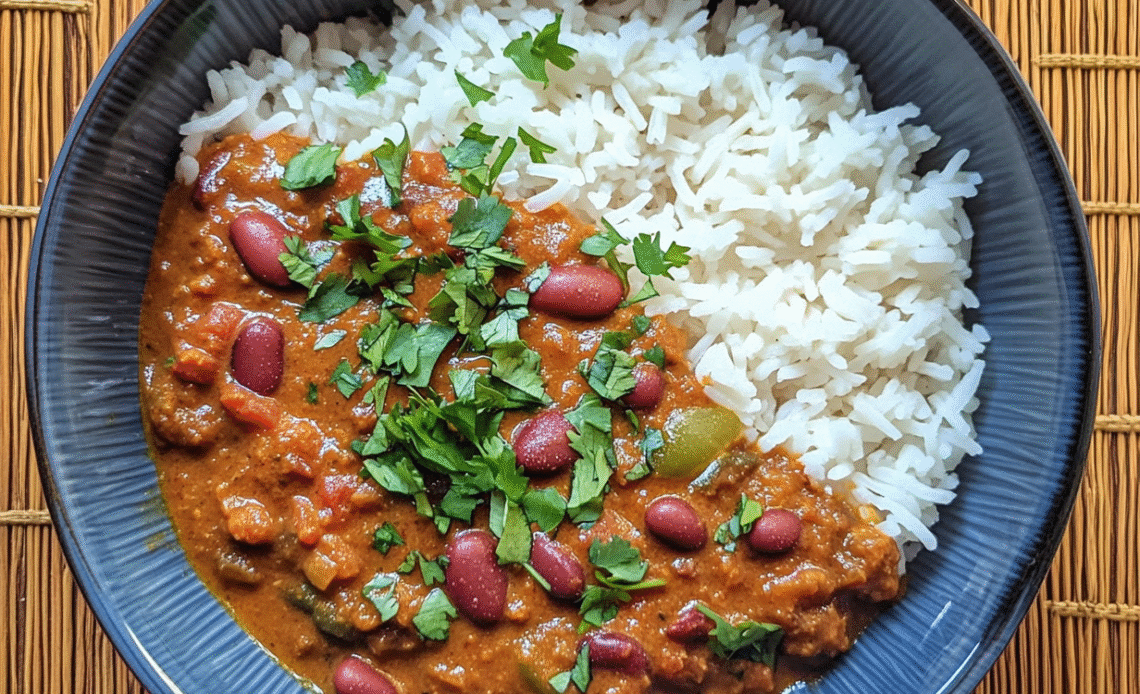
When you think of comfort food, what comes to mind? For many, it’s those hearty, flavorful dishes that feel like a warm embrace. But traditional comfort foods often come with a hidden cost – excessive cream, butter, and hidden sugars that can derail your health goals. What if you could enjoy all the warmth and satisfaction of a classic comfort dish that’s actually good for you? Welcome to the world of simple rajma curry, a North Indian classic that’s about to become your new go-to healthy meal.
This dish represents everything we love about wholesome eating – it’s nourishing, satisfying, and made from simple, real ingredients. Our version of simple rajma curry maintains all the authentic flavors while being completely aligned with a sugar-free lifestyle. It’s a perfect example of how traditional cooking methods and smart ingredient choices can create a meal that’s both deeply comforting and wonderfully healthy.
What Is Simple Rajma Curry and Why Does This Version Matter?
Traditional rajma curry is a beloved North Indian dish featuring red kidney beans in a spiced tomato gravy. While inherently vegetarian and packed with plant-based protein, some versions can be heavy on cream, butter, or oil to achieve that rich, restaurant-style texture. Others might use pre-made spice mixes that contain hidden sugars or anti-caking agents.
Our version of simple rajma curry matters because it goes back to the roots of authentic home cooking. We use traditional tempering techniques with whole spices like mustard seeds, cumin seeds, and curry leaves to build layers of flavor without relying on excessive fats. By making our own spice blend using dhana jeera (a equal mix of ground coriander and cumin), we ensure there are no hidden sugars or additives. The result is a simple rajma curry that’s light yet deeply flavorful, allowing the natural creaminess of the kidney beans and the brightness of the tomatoes to shine through.
The Powerful Health Benefits of This Nutrient-Dense Curry
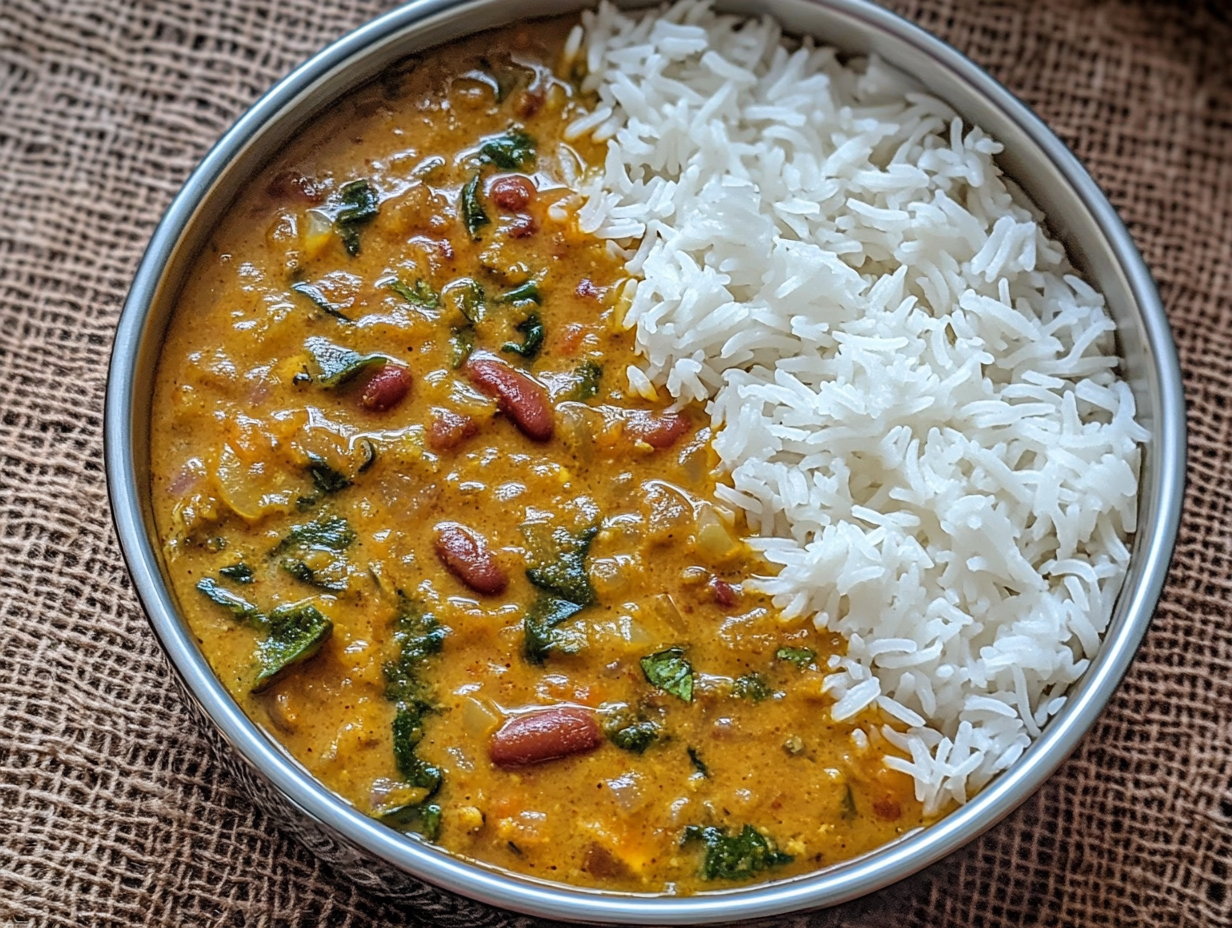
This dish is a nutritional powerhouse that proves healthy eating can be incredibly satisfying and delicious.
- Plant-Based Protein Powerhouse: Red kidney beans are an excellent source of plant-based protein, making this dish perfect for vegetarians and anyone looking to reduce their meat consumption. They’re also rich in dietary fiber, which supports digestive health and helps maintain stable blood sugar levels – crucial for anyone on a sugar detox journey.
- Digestive-Friendly Spices: The traditional spice blend in this curry does more than just add flavor. Cumin seeds aid in digestion, while turmeric contains curcumin, a compound with powerful anti-inflammatory properties. Ginger and garlic not only add depth but also offer antimicrobial and immune-supporting benefits.
- Low Glycemic Impact: When served with basmati rice (which has a lower glycemic index than many other rice varieties) and fresh cucumber, this meal provides sustained energy without the blood sugar spikes associated with processed foods. The combination of protein from the beans and fiber from all the ingredients creates a balanced meal that keeps you full and satisfied for hours.
This simple rajma curry is naturally vegan, gluten-free, and sugar-free, making it suitable for various dietary preferences. While it’s not suitable for keto or paleo diets due to the beans and rice, it fits perfectly into Mediterranean, plant-based, and clean-eating lifestyles.
Addressing Potential Challenges and Easy Solutions
Cooking with traditional Indian spices might seem intimidating, but with a few simple tips, you’ll be making restaurant-quality curry at home.
- Challenge: Finding Specialty Ingredients. Ingredients like curry leaves, hing (asafoetida), and fresh curry leaves might not be in every local supermarket.
- Solution: Most Indian grocery stores carry these items, and they’re also available online. If you can’t find curry leaves, you can omit them – the dish will still be delicious. Hing adds authentic flavor but isn’t essential.
- Challenge: Getting the Spice Tempering Right. The process of tempering whole spices in oil (tadka) is crucial but can be tricky for beginners.
- Solution: Have all your ingredients measured and ready before you start heating the oil. Keep a lid handy as mustard seeds can pop and jump out of the pan. The moment the spices become fragrant (usually 30-60 seconds), proceed to the next step to prevent burning.
- Challenge: Achieving the Perfect Consistency.
- Solution: The beauty of this simple rajma curry is its versatility. If it’s too thick, add more hot water. If it’s too thin, let it simmer uncovered for a few more minutes. The kidney beans will naturally thicken the gravy as they cook.

Tips and Trends for Modern Healthy Cooking
This simple rajma curry fits perfectly with current food trends toward plant-based eating and global flavors. AI meal planning apps can easily incorporate this dish into your weekly rotation, ensuring you get diverse, nutrient-rich meals. The growing interest in Ayurvedic principles aligns beautifully with this recipe, as it uses traditional digestive spices that have been valued for centuries. A good quality heavy-bottomed pot is your best friend for making curries, as it distributes heat evenly and prevents burning.
Frequently Asked Questions (FAQ)
Question: Can I use other beans instead of kidney beans in this simple rajma curry?
Answer: While kidney beans are traditional, you can substitute with black beans, pinto beans, or even chickpeas. The cooking time remains similar, but the flavor profile will vary slightly.
Question: My curry is too spicy. How can I tone down the heat?
Answer: Stir in an extra tablespoon of yogurt directly into the curry, or serve with additional yogurt on the side. A squeeze of lemon juice can also help balance the heat.
Question: Can I make this curry in a slow cooker or instant pot?
Answer: Yes, for a slow cooker, complete steps 2-4 in a pan, then transfer everything to the slow cooker and cook on low for 4-6 hours. For instant pot, use the sauté function for steps 2-4, then pressure cook for 8 minutes with natural release.
Question: Is it necessary to rinse the canned kidney beans?
Answer: Yes, rinsing canned beans removes excess sodium and the starchy liquid they’re packed in, resulting in a better texture and flavor in your final dish.
Conclusion
This simple rajma curry is more than just a recipe – it’s an invitation to experience the joy of cooking with whole spices, the satisfaction of creating something nourishing from simple ingredients, and the comfort of a meal that truly feeds both body and soul. We encourage you to embrace the process, enjoy the aromatic journey, and discover how good healthy eating can be.
What’s your favorite way to enjoy plant-based curries? Share your experiences in the comments below, and for more sugar-free, flavor-packed recipes to support your wellness journey, be sure to explore sugardetoxlab.com.