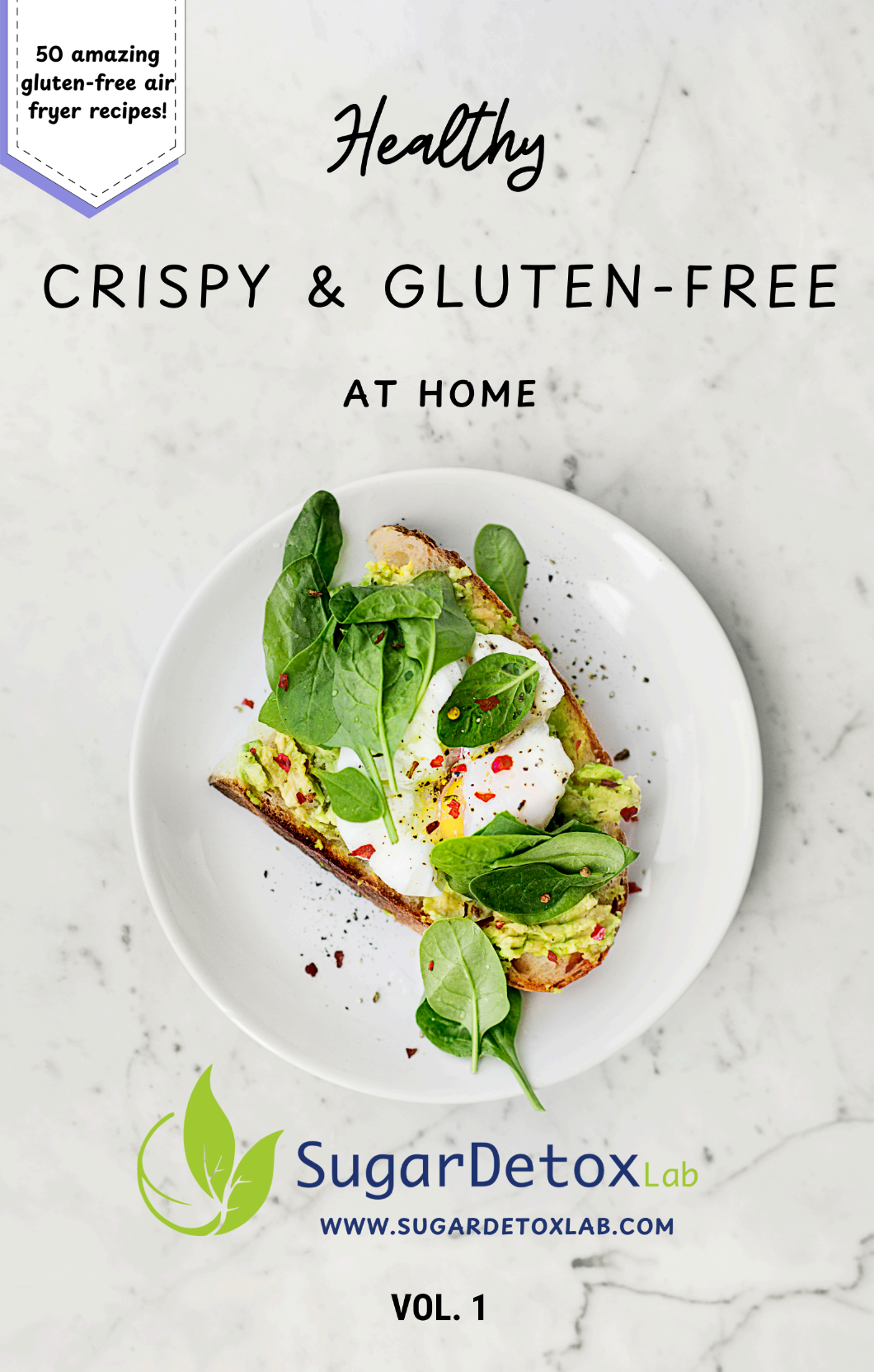


When it comes to bread, not all loaves are created equal. If you’ve ever wondered what is the healthiest bread, you’re in the right place. A good loaf can add fiber, nutrients, and satisfaction to your meals — but a “healthy bread” on a label doesn’t always mean it’s nutritious.
Dietitians often highlight whole grains, sprouted grains, sourdough, and rye bread as top choices for their nutrient density and better digestion. In this complete guide, you’ll learn which breads truly support your health, how to read labels, and how to pick the perfect loaf for your lifestyle.
What Makes a Bread “Healthy”?
A bread becomes truly healthy when it combines whole ingredients, fiber, and minimal additives. Whether it’s sprouted grain or rye bread, here’s what to look for:
- 100% whole-grain or whole-wheat flour
- At least 3 grams of fiber per slice
- Low sugar and low sodium (under 200 mg)
- Protein (3+ g per slice) to help with satiety
- No artificial preservatives or refined flours
- Traditional fermentation (like sourdough or rye starter)
Whole-grain and rye bread varieties check most of these boxes, offering slow-release carbohydrates, minerals, and a hearty flavor that pairs perfectly with sweet or savory toppings.
Dietitian-Recommended Healthy Bread Types
Below are the most recommended breads by registered dietitians — each with unique nutritional perks, including rye bread options that are rich in flavor and nutrients.
1. Sprouted-Grain Bread
Why it’s healthy:
Sprouting grains breaks down starches, increasing protein and vitamin availability. It’s one of the most digestible forms of bread you can eat.
What to look for:
- Label says “sprouted whole grain”
- Low sodium and no added sugar
- Pairs well with avocado or nut butter for breakfast
2. 100% Whole Wheat or Whole Grain Bread
Why it’s healthy:
Whole wheat bread includes the entire grain — bran, germ, and endosperm — providing fiber, B vitamins, and minerals.
Dietitian tip: Alternate between whole-grain and rye bread during the week for variety. Both are excellent sources of slow-burning energy.
3. Sourdough Bread
Why it’s healthy:
The fermentation process used in sourdough helps pre-digest gluten and improve gut health. The lactic acid bacteria reduce the bread’s glycemic index, keeping blood sugar stable.
Pro tip: Try sourdough rye bread for a tangy flavor and an extra fiber boost. Rye pairs beautifully with savory spreads like hummus or smoked salmon.
4. Seeded or Multi-Seed Bread
Why it’s healthy:
Adding seeds like flax, chia, sunflower, or pumpkin boosts healthy fats and antioxidants.
Combine for best results: Whole-grain flour + seeds + rye flour base for a perfectly balanced, nutty loaf.
5. Oat Bread
Why it’s healthy:
Oats provide beta-glucan fiber, known to lower cholesterol and improve satiety. Many oat loaves combine whole oats and rye flour to increase density and flavor.
Look for:
- “Whole oats” or “rolled oats” in the ingredient list
- At least 3 g fiber per slice
- No corn syrup or refined wheat
6. Flaxseed or Nut & Seed Bread
Why it’s healthy:
These loaves are nutrient powerhouses, with omega-3 fatty acids, protein, and antioxidants. A flax and rye bread combo is particularly beneficial for digestion and heart health.
7. Rye Bread (Dark or Light)
Why it’s healthy:
Rye bread is a dietitian favorite for its dense texture, hearty taste, and rich nutrient profile. Made from whole rye flour, it often contains more fiber, iron, and magnesium than wheat bread.
Health benefits of rye bread:
- Supports steady blood sugar levels
- Keeps you full longer thanks to soluble fiber
- Contains lignans, plant compounds that may reduce inflammation
- Often easier to digest than traditional wheat bread
8. Gluten-Free Whole-Grain Bread
Why it’s healthy:
For those with gluten intolerance, gluten-free breads made with whole-grain flours like brown rice, quinoa, or millet can be nutritious.
Add variety: Combine gluten-free slices with small portions of rye bread if tolerated (for those not medically gluten-sensitive) to enjoy both taste and nutrition.

How to Choose a Healthier Bread: Step-by-Step Guide
Use this checklist the next time you’re shopping for healthy bread — including rye bread options:
- Check the ingredient list — Whole grains or whole rye flour should come first.
- Read the nutrition facts — Look for fiber (≥ 3 g), protein (≥ 3 g), and sugar (< 4 g).
- Inspect texture and color — True rye bread is dense and slightly darker than white bread.
- Watch serving size — One thick slice of rye may equal two thin slices of wheat.
- Mind additives — Avoid caramel coloring or molasses pretending to make “fake rye.”
🍞 Dietitian Tips to Include Healthy Breads in Your Meals
Here’s how to easily work healthy bread — especially rye bread — into your daily meals:
- Breakfast: Toast rye bread with peanut butter and banana slices.
- Lunch: Make turkey or veggie sandwiches with sprouted or seeded rye.
- Dinner: Serve soup with sourdough rye toast for extra fiber.
- Snacks: Pair thin slices of rye with cheese or hummus for balanced energy.
FAQ: Healthiest Breads & Rye Bread Nutrition
1. Is rye bread healthier than white bread?
Yes. Rye bread has more fiber, vitamins, and minerals than white bread. It digests slower, helping with blood sugar control and appetite regulation.
2. Is rye bread gluten-free?
No. Rye naturally contains gluten, so it’s not suitable for people with celiac disease. Gluten-free alternatives made from quinoa or brown rice flour are better.
3. Which rye bread is best for weight loss?
Choose dark rye bread or whole-grain rye with minimal sugar and high fiber. Its dense texture helps you eat less while feeling fuller longer.
4. How does rye bread affect digestion?
The soluble fiber in rye promotes healthy gut bacteria and prevents constipation. If you’re new to it, introduce rye slowly and drink plenty of water.
5. Can I eat rye bread every day?
Absolutely! Most dietitians recommend rye bread as a daily option — just monitor portion size (1–2 slices) and pair it with protein or healthy fats.
6. What’s the difference between light and dark rye bread?
Light rye uses refined rye flour, while dark rye or pumpernickel uses whole-grain rye. Dark rye is the most nutritious and flavorful.
Conclusion & Call to Action
Choosing the right bread can transform your diet. The healthiest loaves — sprouted grain, sourdough, seeded, whole-grain, and rye bread — offer lasting energy, better digestion, and rich nutrients.
Next time you’re at the bakery or supermarket, skip the “wheat-style” marketing and check for whole or rye flour at the top of the ingredient list. Make one small swap — such as replacing white bread with rye bread — and you’ll instantly upgrade your meals.
If you enjoyed this guide, share it with friends or bookmark it for your next grocery trip. Want me to create a printable “Healthy Bread Shopping Checklist”? I can make one ready for download!