

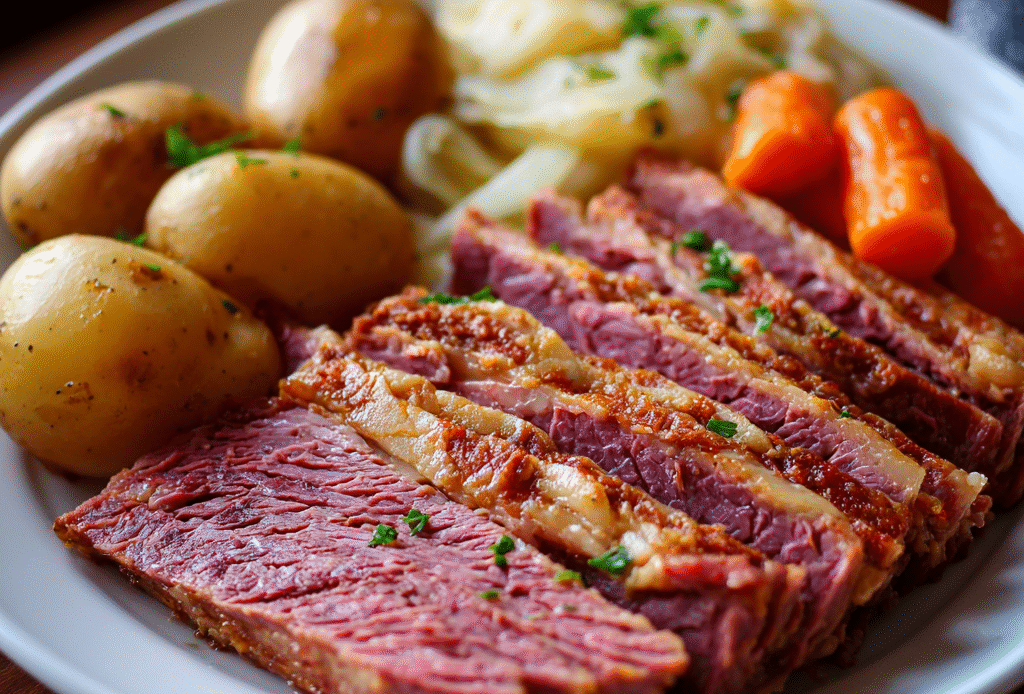
At Sugar Detox Lab, we know that some recipes become family favorites for a reason. Ree Drummond’s (the Pioneer Woman) corned beef and cabbage is one of those beloved classics—simple, hearty, and perfect for St. Patrick’s Day or a cozy Sunday dinner. But like many traditional versions, it can be heavy on sodium and rely on boiling everything together until the vegetables lose their vibrancy. We’re here to show you how to take the essence of that comforting Pioneer Woman Corned Beef and give it a mindful, health-conscious upgrade.
What Is Pioneer Woman Corned Beef and Why This Mindful Approach Matters
The Pioneer Woman’s corned beef recipe is a straightforward, no-fuss approach: a corned beef brisket simmered with water, onion, garlic, peppercorns, and bay leaves, then loaded with carrots, cabbage, and potatoes. It’s the kind of meal that fills your home with a wonderful aroma and delivers pure comfort.
Our mindful version takes this foundation and elevates it. We start with the same core ingredients but introduce a few tweaks:
- Rinse the brisket to remove excess surface salt, then use low-sodium broth instead of plain water to add depth without extra sodium.
- Add the cabbage later so it stays bright and tender-crisp rather than mushy.
- Offer flexibility with the potatoes—leave them out for a low-carb version or swap in turnips or cauliflower.
By making these small changes, you transform a heavy, sodium-laden dish into a balanced meal that still delivers the soul-satisfying flavor you crave.
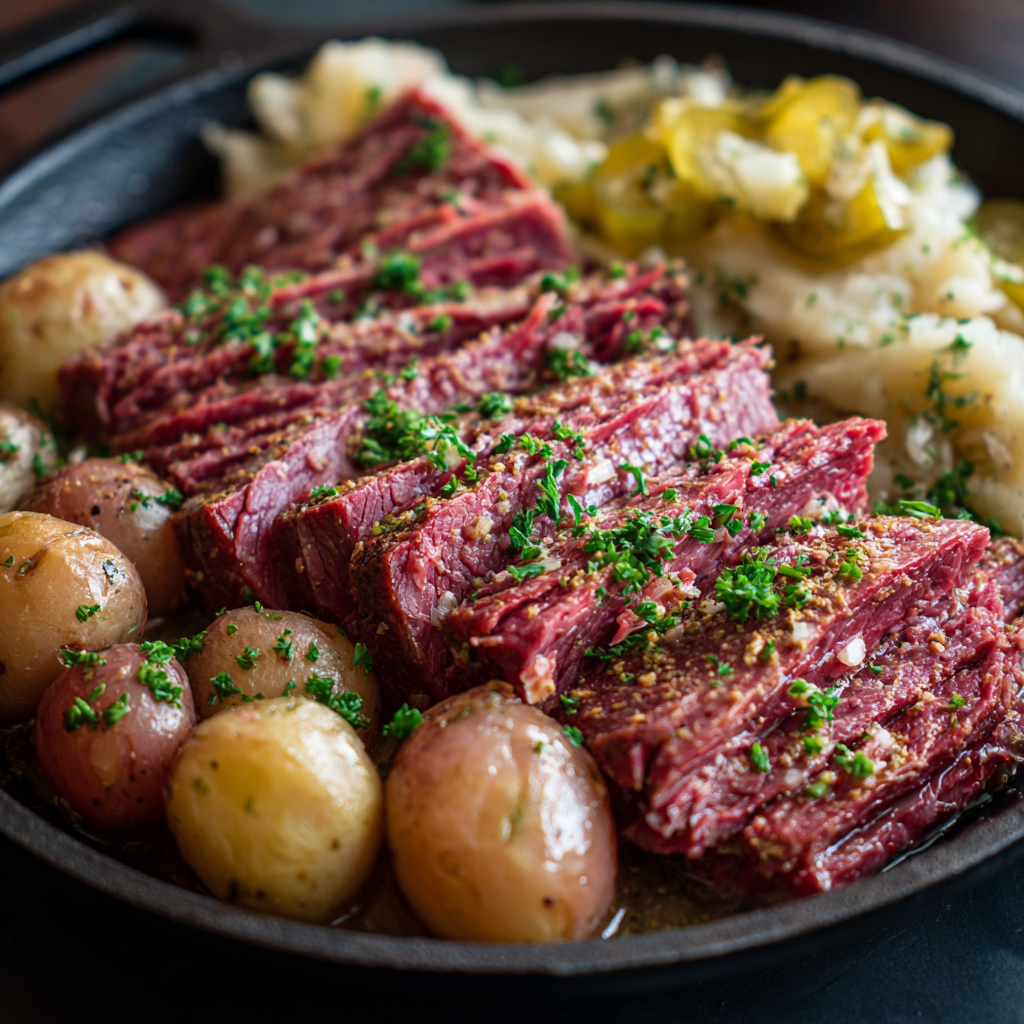
Health Benefits of a Mindful Corned Beef
Let’s look at what makes this dish nourishing:
- Corned Beef Brisket – A good source of high-quality protein, iron, zinc, and B vitamins (especially B12). Choosing a quality cut and rinsing helps manage sodium.
- Cabbage – This cruciferous vegetable is loaded with vitamin C, vitamin K, and fiber. It contains glucosinolates, which support the body’s natural detoxification processes. You can learn more about cabbage on Wikipedia.
- Carrots – Rich in beta-carotene (converted to vitamin A), antioxidants, and fiber.
- Potatoes (optional) – If you include them, they provide potassium, vitamin C, and resistant starch, which is beneficial for gut health.
- Onion and Garlic – Aromatic, anti-inflammatory, and rich in prebiotic fiber that feeds healthy gut bacteria.
This Pioneer Woman Corned Beef dish is naturally high in protein, gluten-free, and contains no added sugar. It fits well into keto, paleo, and clean-eating plans—especially when you skip the potatoes or replace them with lower-carb alternatives.
Navigating the Challenges: Tips for Pioneer Woman Corned Beef Success
- Rinse the brisket – Even if the package says “ready to cook,” a quick rinse under cold water can remove up to 30% of the surface salt. For an even lower-sodium version, soak it in cold water for 30–60 minutes before cooking.
- Use low-sodium broth – Replace the plain water with low-sodium beef or vegetable broth to add richness without extra salt.
- Layer the pot correctly – Place the brisket, onion, garlic, and spices in the pot first. Add carrots and potatoes (if using) about 1 hour before the meat is done. Add cabbage wedges during the last 20–30 minutes so they remain vibrant.
- Don’t overcook the vegetables – Soggy cabbage is a common complaint. Adding it late keeps it tender but not mushy.
- Rest and slice against the grain – After cooking, let the brisket rest for 10–15 minutes, then slice thinly against the grain for the most tender texture.
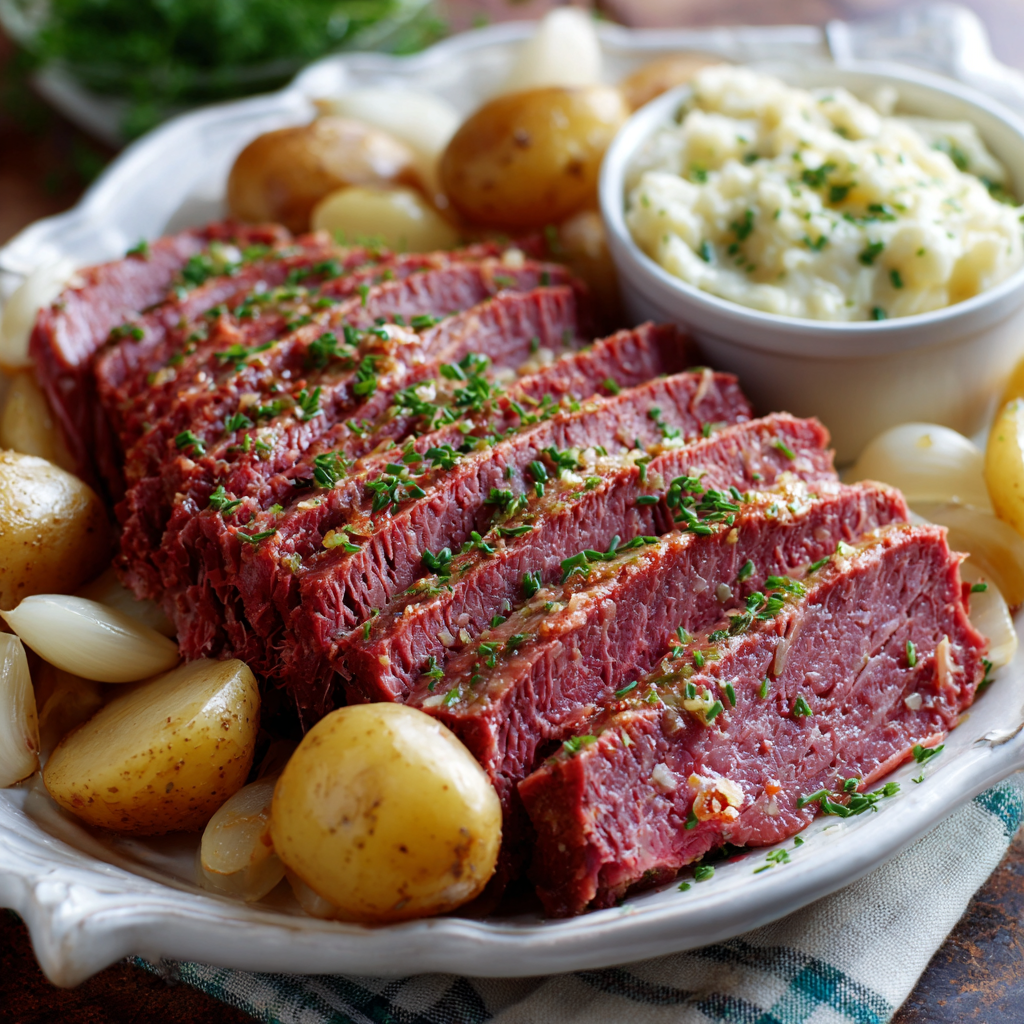
Tips and Trends for Mindful Meal Prep
The slow cooker and Dutch oven are perfect for busy cooks who still want wholesome, homemade meals. AI-powered meal planning apps like Yummly or Paprika can help you schedule this recipe, generate shopping lists, and even suggest leftover transformations—like using leftover corned beef for hash or Reuben sandwiches. The trend toward “low-sodium cooking” is growing, and rinsing the brisket is an easy way to take control without sacrificing flavor.
This recipe contains no added sugar, making it a clean-eating staple. For a paleo or Whole30 version, skip the potatoes and ensure your broth is compliant.
Frequently Asked Questions (FAQ)
Question: Can I use the spice packet that comes with the corned beef?
Answer: Yes, you can. However, it’s usually very salty. We recommend using half of it, tasting the broth before adding more, or skipping it and using your own pickling spices (coriander, mustard seeds, allspice, etc.) for better control.
Question: How do I keep my cabbage from turning into mush?
Answer: Add the cabbage during the last 20–30 minutes of cooking instead of at the beginning. Cut the wedges thick, with the core intact, so they hold together.
Question: Is this recipe keto-friendly?
Answer: Yes! Simply omit the potatoes. The corned beef, cabbage, and carrots are all low-carb in moderate amounts. You can also add extra cabbage or turnips for bulk.
Question: Can I make this in an Instant Pot?
Answer: Absolutely. Use the sauté function to sear the brisket if desired, then add liquid and aromatics. Pressure cook on high for 90 minutes for a 3–4 pound brisket, then quick release. Add carrots and potatoes and cook on high pressure for 5 minutes, then add cabbage and cook for 2 more minutes. Let pressure release naturally for 5 minutes before opening.
Question: How do I slice corned beef for the most tender texture?
Answer: Always slice against the grain. Look for the lines of muscle fibers running through the meat; cut perpendicular to those lines. This shortens the fibers and makes each bite tender.
Question: What can I do with leftovers?
Answer: Leftover corned beef is perfect for Reuben sandwiches, corned beef hash, or adding to scrambled eggs. The vegetables can be pureed into a soup or used in a bubble and squeak-style fry-up.
Conclusion
This Pioneer Woman Corned Beef recipe, reimagined with mindful choices, proves that classic comfort food can be both delicious and nourishing. By rinsing the brisket, using low-sodium broth, and timing the vegetables perfectly, you get a meal that’s tender, vibrant, and satisfying without the excess sodium. Whether you’re celebrating St. Patrick’s Day or simply craving a hearty dinner, this version is sure to become a new favorite.
We’d love to hear how it turns out—share your experience and any creative twists in the comments below. And for more recipes that balance tradition with health-conscious cooking, explore the full collection at SugarDetoxLab.com.