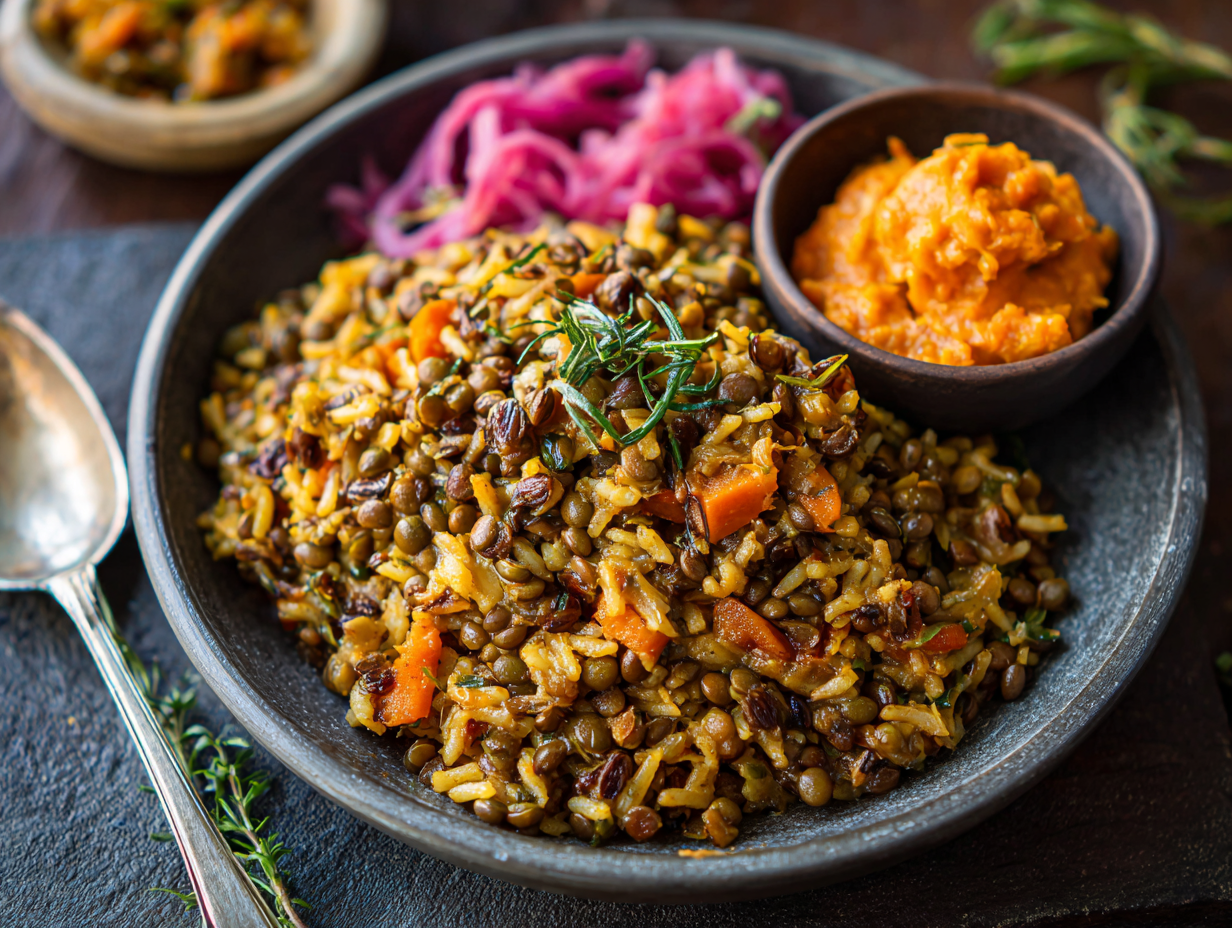

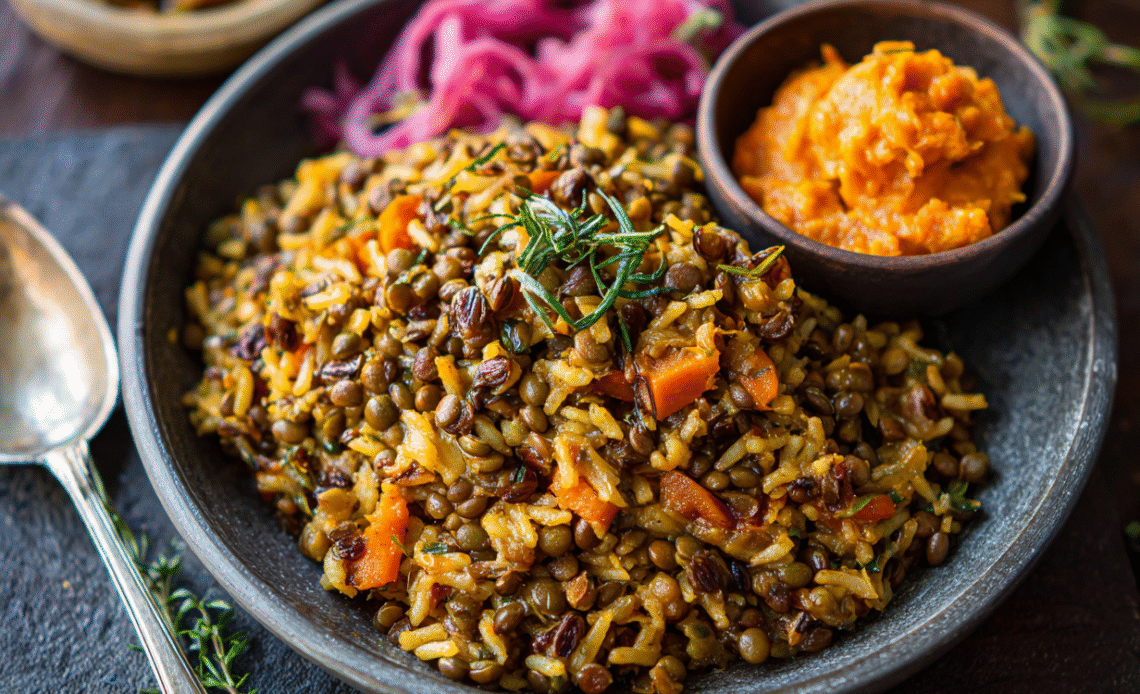
Exploring global cuisines while maintaining a sugar-free lifestyle often leads to delightful discoveries of dishes that are naturally balanced, deeply flavorful, and inherently wholesome. The combination of Pigeon Peas Pilau with Carrot Pickle is one such culinary gem, bringing together the comfort of spiced rice and legumes with the bright, tangy contrast of a simple vegetable pickle. This traditional pairing demonstrates how complex flavors can be achieved without any added sugars, relying instead on the natural harmony of spices, grains, and vegetables. The Pigeon Peas Pilau with Carrot Pickle offers a complete, satisfying meal that aligns perfectly with health-conscious eating while celebrating cultural culinary traditions.
What Is Pigeon Peas Pilau with Carrot Pickle?
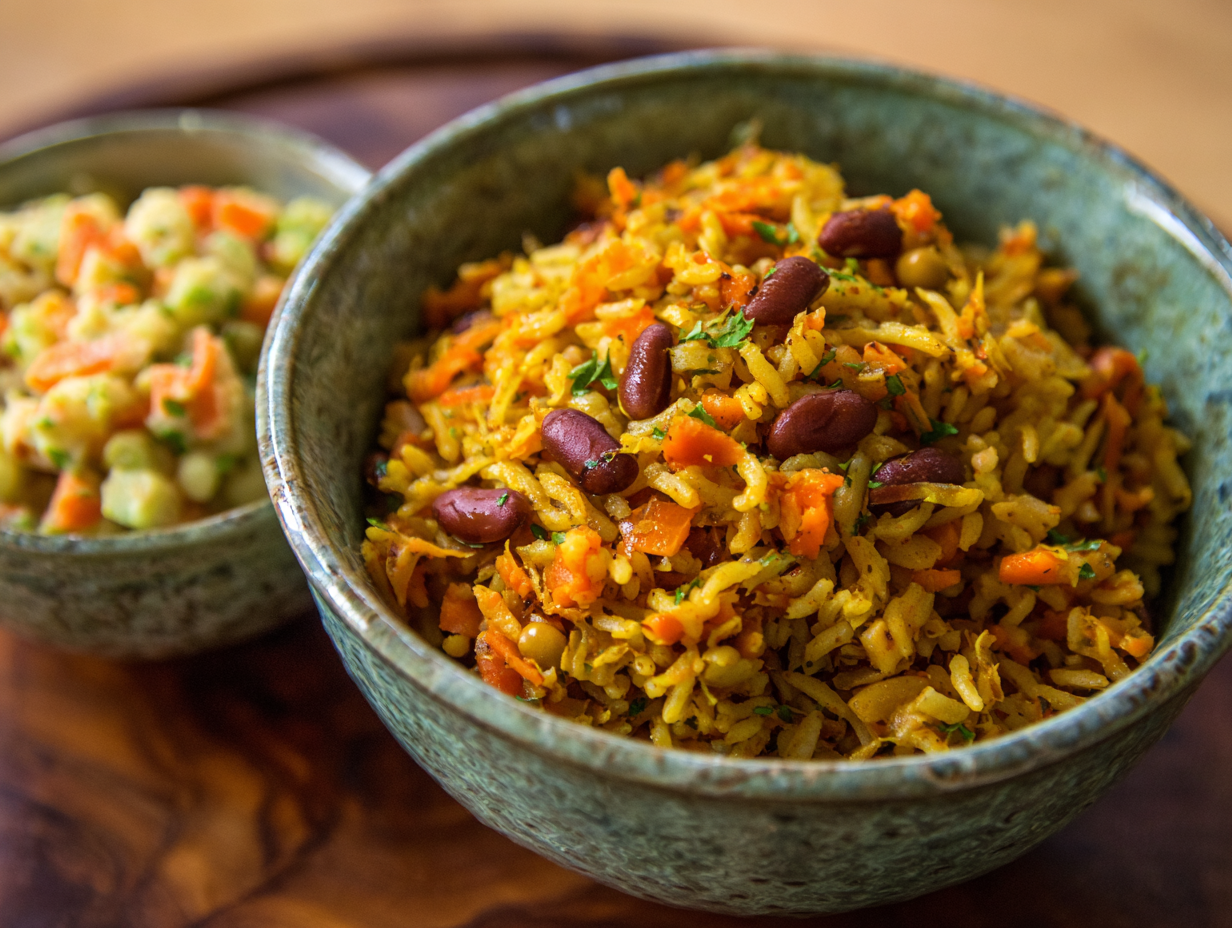
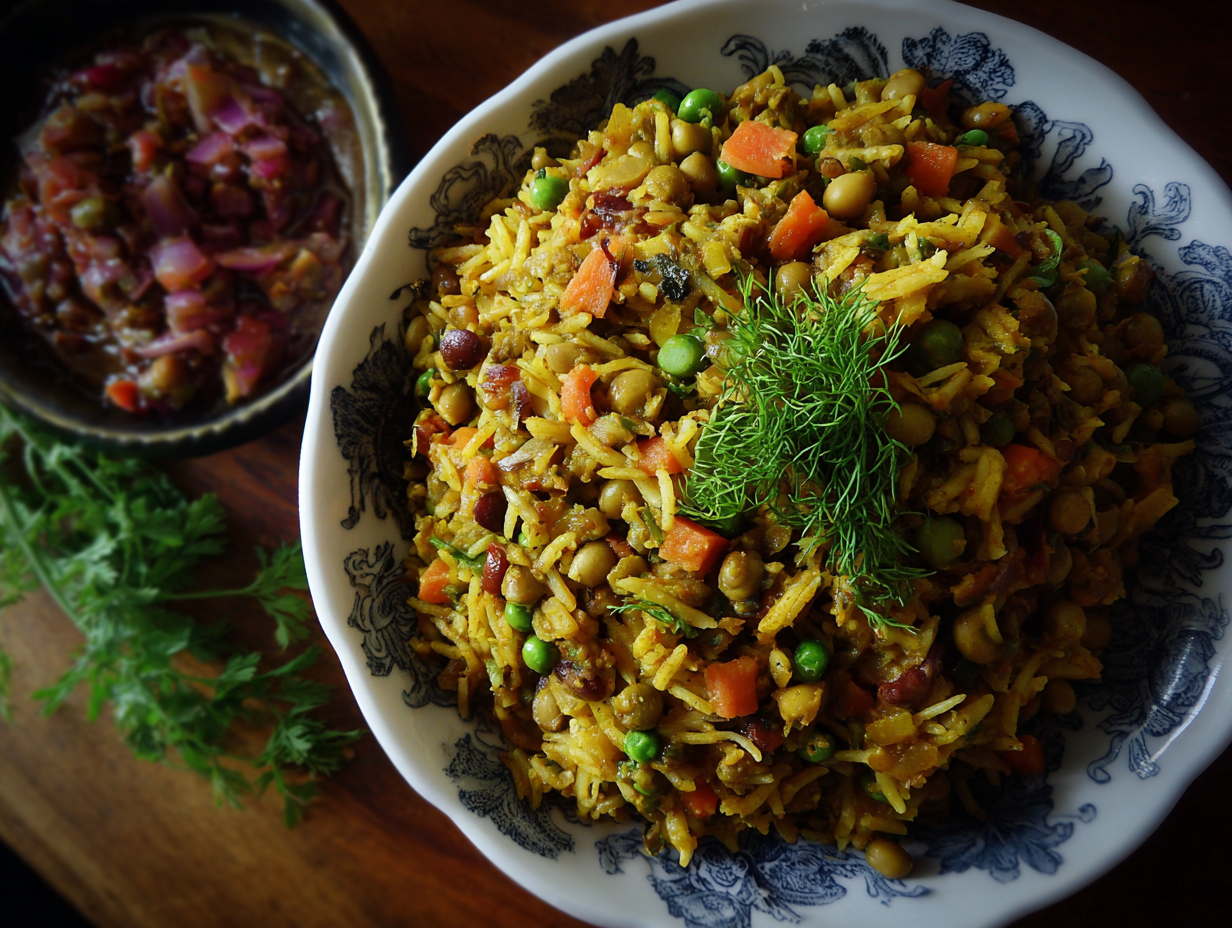
Pigeon Peas Pilau with Carrot Pickle represents a beautiful fusion of staple ingredients from various culinary traditions. Pilau (or pilaf) is a rice dish cooked in seasoned broth with spices, enjoyed across Middle Eastern, Central Asian, and South Asian cuisines. Pigeon peas, known as tuvar or gungo peas, are a protein-rich legume widely used in Caribbean, African, and Indian cooking. The carrot pickle, or achar, adds a refreshing, tangy contrast that cuts through the richness of the pilau.
Traditional versions of Pigeon Peas Pilau with Carrot Pickle might use white rice and sometimes include ghee (clarified butter) or additional fats. Our version makes thoughtful adjustments while preserving the essential character of the dish. We use brown basmati rice for its higher fiber content and nuttier flavor, and rapeseed oil instead of ghee to keep it light yet authentic. The Pigeon Peas Pilau with Carrot Pickle remains naturally vegan and sugar-free, relying on the complexity of whole spices and the natural sweetness of carrots rather than any added sugars or processed ingredients.
The Nutritional Power of This Traditional Dish
This Pigeon Peas Pilau with Carrot Pickle is more than just a tasty meal—it’s a nutritional powerhouse that offers multiple health benefits:
- Pigeon Peas: Protein and Fiber Powerhouse: Pigeon peas are an excellent source of plant-based protein, making them particularly valuable for vegetarian and vegan diets. They’re also rich in dietary fiber, which supports digestive health and helps maintain stable blood sugar levels. These legumes provide essential nutrients like folate, magnesium, and potassium.
- Brown Basmati Rice: The Smart Carbohydrate Choice: Unlike white rice, brown basmati rice retains its bran and germ, providing more fiber, vitamins, and minerals. It has a lower glycemic index than white rice, meaning it provides more sustained energy release. The combination of rice and pigeon peas creates a complete protein profile, providing all essential amino acids.
- The Healing Power of Spices: Each spice in the pilau contributes both flavor and health benefits. Turmeric contains curcumin, known for its anti-inflammatory properties. Cumin aids digestion and provides iron, while cinnamon may help regulate blood sugar levels. Ginger and garlic offer immune-supporting and anti-inflammatory benefits.
- Carrot Pickle: A Nutrient-Rich Condiment: The simple carrot pickle provides vitamin A from beta-carotene, essential for vision and immune function. The lime juice adds vitamin C, which enhances iron absorption from the pilau. The quick-pickling method preserves the carrots’ nutritional value while adding digestive benefits.
- Dietary Compatibility: This recipe is naturally vegan, gluten-free, and sugar-free. It fits perfectly into plant-based, clean-eating, and whole-foods lifestyles.
Mastering the Perfect Pilau and Pickle
Creating the perfect Pigeon Peas Pilau with Carrot Pickle requires attention to technique for both components:
- Achieving Fluffy, Separate Rice Grains: The key to perfect pilau is washing the rice thoroughly until the water runs clear, which removes excess starch. Toasting the rice briefly with the spices before adding water helps keep the grains separate and adds depth of flavor.
- Balancing the Spice Tempering: Whole spices should be toasted in oil until fragrant but not burned. This process, known as tadka or baghaar, releases the spices’ essential oils and forms the flavor foundation of the dish.
- Perfecting the Carrot Pickle: The carrots should be cut into uniform strips for even pickling. Allowing them to marinate for at least 30 minutes before serving helps develop the flavors while maintaining their crunch.
- Water Ratio for Brown Rice: Brown rice typically requires more water and longer cooking time than white rice. The 1:2.5 rice-to-water ratio in this recipe ensures properly cooked grains without sogginess.
Modern Approaches to Traditional Cooking
This Pigeon Peas Pilau with Carrot Pickle represents the beautiful intersection of traditional cooking wisdom and modern nutritional awareness. Using AI meal planners can help you incorporate diverse global dishes like this into your weekly meal rotation. The growing interest in plant-based proteins makes pigeon peas particularly relevant, offering a sustainable alternative to animal proteins. Exploring traditional spice combinations is a wonderful way to add flavor without relying on sugar or excessive salt.
Frequently Asked Questions
Question: Can I use other legumes instead of pigeon peas?
Answer: Yes, you can substitute with brown lentils, black-eyed peas, or chickpeas. Adjust cooking times as needed based on the legume you choose.
Question: My pilau turned out mushy. What went wrong?
Answer: This usually happens from too much water or over-stirring during cooking. Ensure you’re using the correct water ratio and avoid stirring once the pilau is simmering. Let it rest covered after cooking to allow steam to finish the cooking process evenly.
Question: Can I make the carrot pickle ahead of time?
Answer: Yes, you can make it up to 2 days in advance. The flavors will continue to develop, though the carrots may soften slightly.
Question: Is it necessary to soak the brown rice?
Answer: While not strictly necessary, soaking brown rice for 15-30 minutes helps reduce cooking time and can make the grains more digestible.
Conclusion
This Pigeon Peas Pilau with Carrot Pickle demonstrates how traditional dishes often embody perfect nutritional balance and deep, satisfying flavors. It’s a celebration of how simple, whole ingredients can be transformed into something truly special—a meal that nourishes both body and soul while respecting cultural culinary heritage. The combination of hearty pilau and bright, tangy pickle creates a dining experience that feels both comforting and exciting.
We hope this recipe introduces you to the wonderful world of legume-based rice dishes! Have you tried cooking with pigeon peas before? Share your experiences and variations in the comments below. For more globally-inspired, sugar-free recipes, explore the rest of sugardetoxlab.com.