
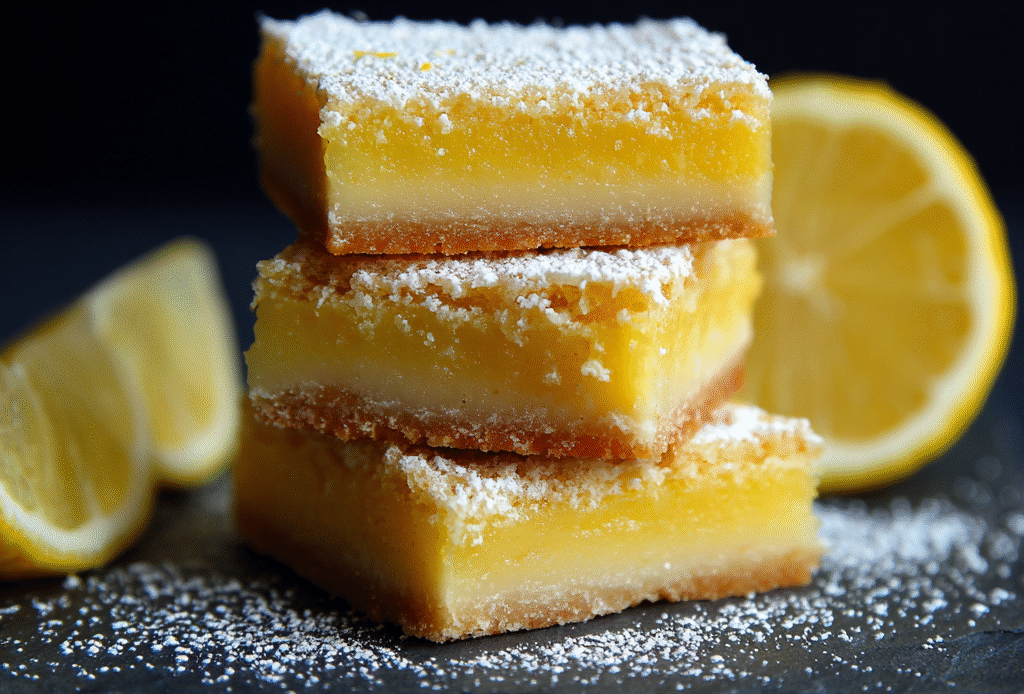
At Sugar Detox Lab, we believe that life’s sweetest moments deserve to be celebrated—and sometimes that means indulging in a truly classic dessert. Lemon bars hold a special place in the pantheon of beloved treats, and for good reason. With their buttery, melt-in-your-mouth shortbread crust and bright, tangy, perfectly sweet lemon filling, they’re sunshine on a plate. Our Lemon Bars recipe honors this timeless classic with a simple, reliable approach that delivers bakery-quality results every time. Made with fresh lemon juice, real butter, and just the right amount of sugar, they’re the perfect balance of sweet and tart.
What Are Lemon Bars and Why This Mindful Approach Matters
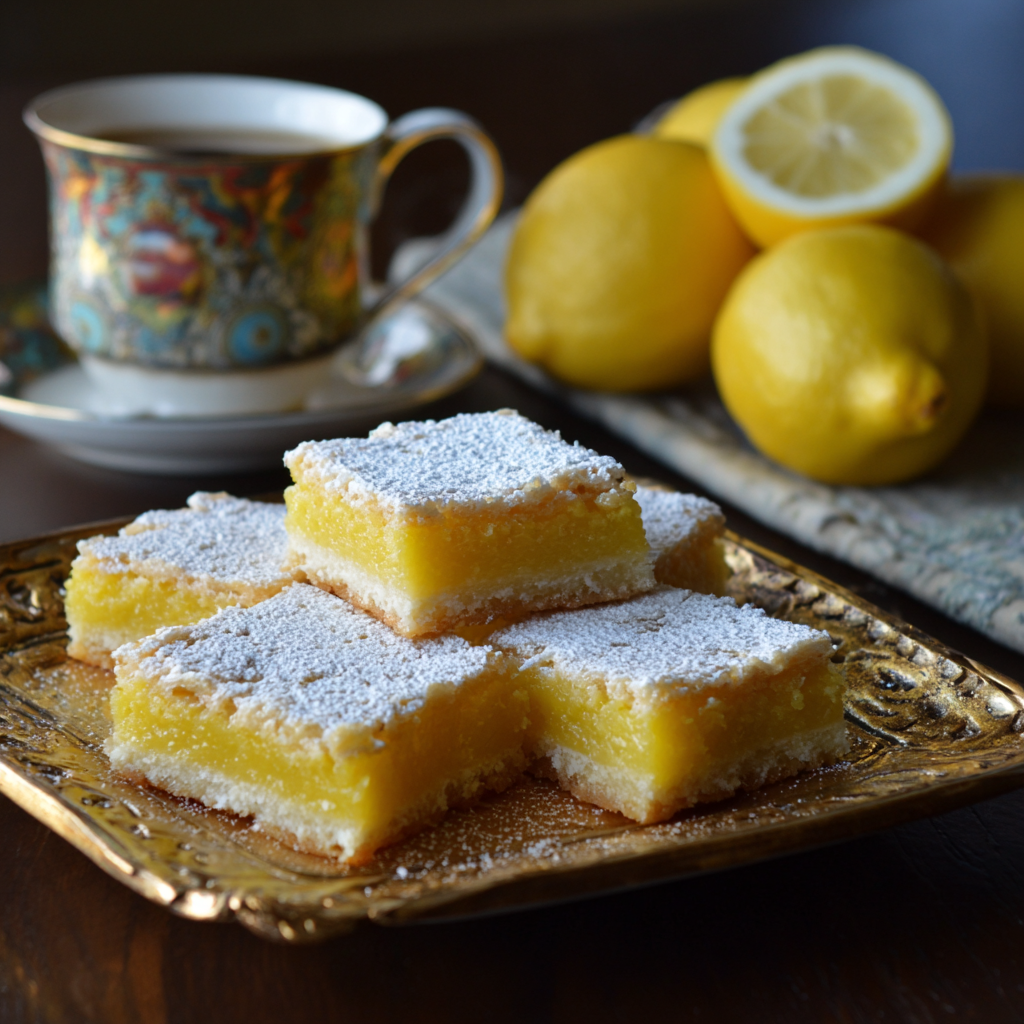
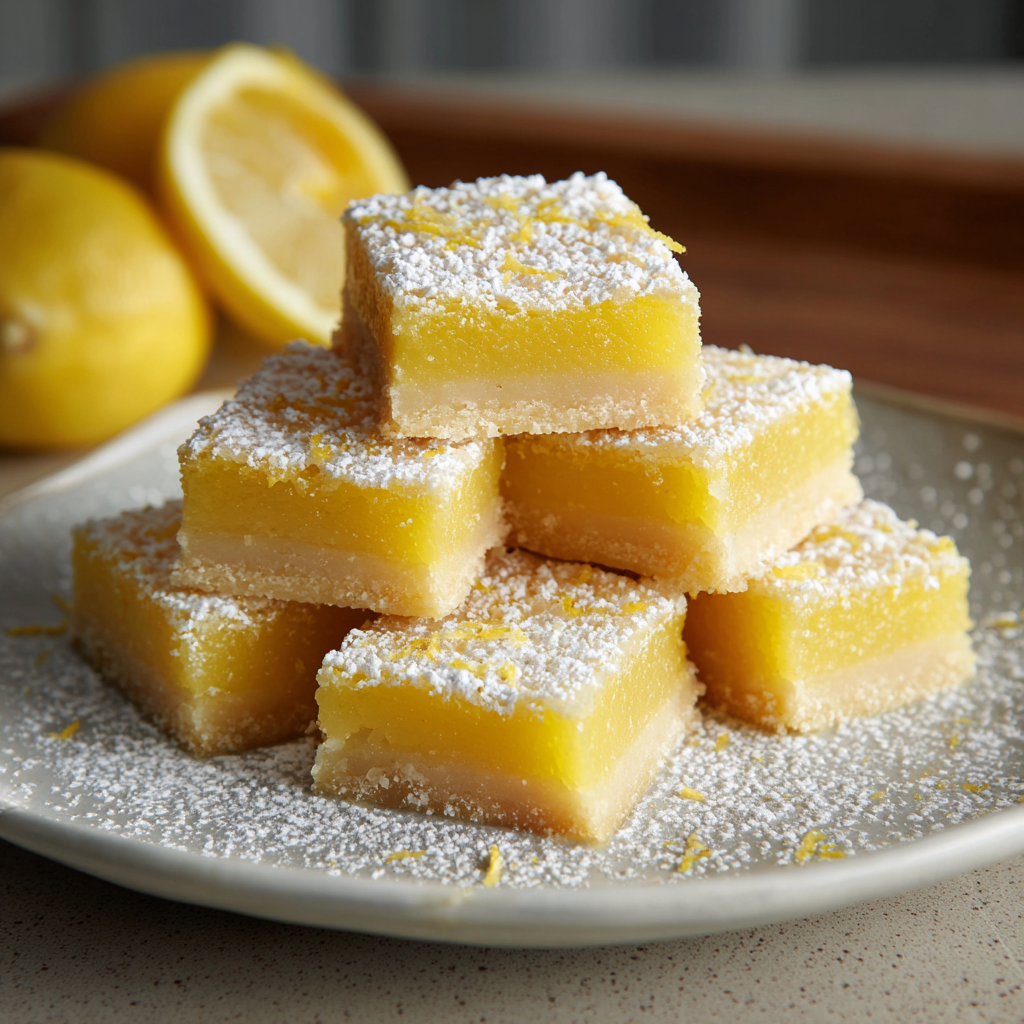
Lemon bars are a beloved classic for good reason. They consist of two simple layers: a buttery shortbread crust and a bright, tangy lemon filling baked until just set. The result is a dessert that’s simultaneously rich and refreshing, satisfying and light.
Our Lemon Bars honor this tradition with a focus on quality ingredients and mindful balance. The shortbread crust is made with real butter, creating a tender, sandy texture that provides the perfect foundation. The filling uses fresh lemon juice—never bottled—for that unmistakably bright, authentic citrus flavor. The amount of sugar is carefully calibrated to balance the tartness of the lemons, creating a filling that’s sweet but not cloying.
This mindful approach matters because it demonstrates how a classic dessert can be made with intention and quality ingredients. These Lemon Bars contain no artificial flavors, no preservatives, and no shortcuts. By making them at home, you control the quality of every ingredient, choosing real butter, fresh eggs, and juicy lemons at their peak. They’re a treat, yes, but one made with care and meant to be savored.
A Realistic Look at Ingredients and Their Place in a Balanced Life
Let’s be honest about what goes into these classic bars and how they fit into a mindful lifestyle:
- Butter: The foundation of the shortbread crust. Butter provides rich flavor and that signature tender, crumbly texture. Using high-quality unsalted butter gives you control over the salt level. You can learn more about the production and varieties of butter on Wikipedia.
- Sugar: The sweet balance to the tart lemons. The shortbread crust contains a modest amount of sugar, while the filling uses 1½ cups for the entire batch. This is a dessert, after all, and the sugar is essential for both sweetness and texture. For lower-sugar options, see the Notes section.
- Flour: Provides structure to both the crust and the filling. All-purpose flour creates the perfect tender crumb in the shortbread and helps set the filling.
- Fresh Lemon Juice: The star of the show. Fresh lemon juice provides bright, authentic citrus flavor that bottled juice simply cannot match. Lemons are rich in vitamin C and add brightness without any artificial ingredients. You can learn more about the nutritional profile of lemons on Wikipedia.
- Eggs: The structure of the filling. Eggs provide protein and help the filling set into that perfect, smooth, slightly firm texture. Four large eggs create the ideal consistency.
- Powdered Sugar: The finishing touch. A light dusting of powdered sugar just before serving adds a beautiful, professional finish and a hint of extra sweetness.
This recipe is a dessert—there’s no pretending otherwise. But it’s a dessert made with real, recognizable ingredients, and the portion-controlled bar format encourages mindful enjoyment.
Navigating the Challenges: Tips for Lemon Bar Success
These bars are simple, but a few tips will ensure perfect results:
- Use Fresh Lemon Juice: This is non-negotiable. Bottled lemon juice lacks the bright, complex flavor of fresh lemons and can make the filling taste flat. Roll your lemons on the counter before juicing to release more juice.
- Don’t Overbake the Crust: The shortbread crust should be baked just until lightly golden. Overbaking can make it hard and difficult to cut.
- Bake the Filling Until Just Set: The filling is done when it’s set around the edges but still has a slight jiggle in the center. It will continue to set as it cools. Overbaking can cause the filling to crack.
- Cool Completely Before Slicing: This is essential. Let the bars cool completely at room temperature, then refrigerate for at least 2 hours before slicing. This ensures clean, neat squares.
- Use a Sharp Knife and Wipe Between Cuts: For the cleanest edges, use a sharp knife and wipe it clean with a damp paper towel between each cut.
- Dust with Powdered Sugar Just Before Serving: If you dust too early, the powdered sugar will dissolve into the bars. Wait until just before serving for that beautiful snowy finish.
Tips and Trends for Mindful Baking
The trend toward “classic, reliable recipes” continues to grow, and these Lemon Bars are a perfect example. Home bakers are seeking out tried-and-true recipes that deliver consistent, delicious results.
Another significant trend is the appreciation for bright, citrus flavors in desserts. Lemon provides a refreshing counterpoint to the richness of butter and eggs, creating a balanced treat that doesn’t feel overly heavy.
AI-powered meal planning tools can help you incorporate baking projects into your schedule. Apps like Yummly or Paprika allow you to save this recipe, generate shopping lists, and even set timers for each step.
The growing interest in “seasonal baking” makes lemon bars particularly appealing in spring and summer, when lemons are at their peak and we crave bright, refreshing flavors.
Frequently Asked Questions (FAQ)
Question: Can I use bottled lemon juice instead of fresh?
Answer: Fresh lemon juice is strongly recommended for the brightest, most authentic flavor. Bottled lemon juice often has a flat, metallic taste and lacks the complexity of fresh. For the best results, use fresh lemons.
Question: Can I make these bars gluten-free?
Answer: Yes! Substitute the all-purpose flour in both the crust and filling with a 1:1 gluten-free baking blend that contains xanthan gum. The texture will be slightly different but still delicious.
Question: How do I know when the lemon bars are done baking?
Answer: The bars are done when the edges are set and the center has a slight jiggle when you gently shake the pan. They will continue to set as they cool. Overbaking can cause cracks.
Question: Can I use a different size pan?
Answer: This recipe is designed for an 8×8 inch pan. Using a different size will affect the thickness and baking time. For a 9×9 inch pan, the bars will be thinner and may bake more quickly—start checking at 15 minutes.
Question: Why did my crust crumble when I tried to slice it?
Answer: A crumbly crust usually means it wasn’t pressed firmly enough into the pan or wasn’t baked long enough. Make sure to press the crust firmly and evenly, and bake until lightly golden.
Question: Can I add a layer of fruit to these bars?
Answer: Absolutely! A thin layer of raspberry jam spread over the warm crust before adding the lemon filling is a delicious variation. Fresh raspberries can also be gently pressed into the filling before baking.
Conclusion
These Classic Lemon Bars are proof that the most beloved desserts stand the test of time for a reason. With their buttery crust and bright, tangy filling, they’re the perfect balance of sweet and tart, rich and refreshing. Whether you’re making them for a special occasion or simply to brighten an ordinary day, they’re sure to bring smiles.
We encourage you to bake a batch, share them with people you love, and savor every single bite. That’s what mindful indulgence is all about.
For more recipes that help you create delicious, classic treats with intention, explore our full collection at SugarDetoxLab.com. Did you try these lemon bars? We’d love to hear about your experience in the comments below!