
Introduction
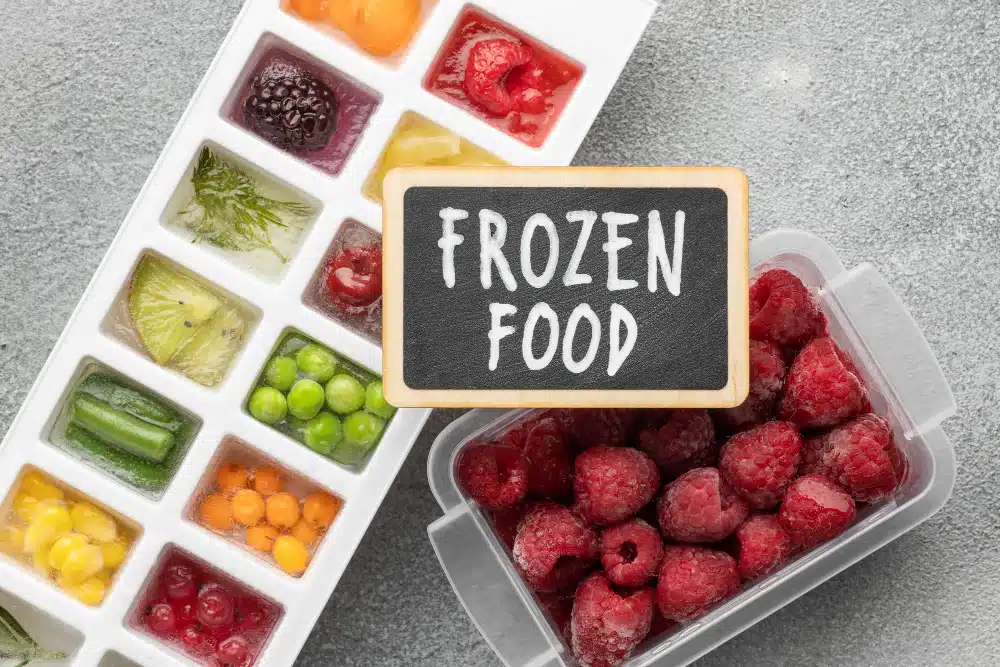
If you’re stocking your freezer with vegetables, you’ve probably wondered how to make frozen vegetables taste just as good as fresh. Many people worry that frozen veggies are bland, soggy, or less nutritious than their fresh counterparts. But here’s the truth: frozen vegetables are often picked at peak ripeness, flash-frozen to preserve nutrients, and can be just as healthy—sometimes even healthier—than “fresh” produce that has been sitting on shelves or in transport for days.
The challenge of how to make frozen vegetables isn’t with the vegetables themselves—it’s in how you cook them. With the right methods, seasonings, and tips, you can transform a bag of frozen broccoli, spinach, or green beans into a delicious side dish that rivals fresh produce. This guide will walk you through exactly how to do it.
Why Frozen Vegetables Are Just as Good as Fresh
Before diving into flavor-boosting tricks, it’s worth understanding why frozen vegetables are a smart choice and How to Make Frozen Vegetables:
- Nutrient retention: Flash-freezing locks in vitamins and minerals.
- Convenience: They’re pre-washed, pre-chopped, and ready to cook.
- Budget-friendly: Often more affordable than fresh, especially off-season.
- Less food waste: Frozen veggies last months without spoiling.
👉 The only drawback? Texture and flavor can suffer if you cook them the wrong way.
Common Mistakes When Cooking Frozen Vegetables
To make frozen vegetables taste just as good as fresh, avoid these pitfalls: How to Make Frozen Vegetables
- Boiling too long → leads to mushiness and nutrient loss.
- Cooking without draining water → results in soggy texture.
- Skipping seasoning → frozen veggies are often bland if not dressed up.
- Overcrowding the pan → steaming instead of crisping.
Best Cooking Methods for Frozen Vegetables
1. Roast for Crispy, Caramelized Flavor
Roasting transforms frozen vegetables into golden, flavorful bites.
How to do it:
- Preheat oven to 425°F (220°C).
- Spread veggies on a parchment-lined baking sheet.
- Drizzle with olive oil, salt, and seasonings.
- Roast for 20–30 minutes, flipping halfway.
✅ Works best with broccoli, cauliflower, Brussels sprouts, and carrots.
2. Air Fry for Speed and Crunch
An air fryer mimics roasting but cuts down cooking time.
How to do it:
- Preheat air fryer to 400°F (200°C).
- Toss frozen veggies with a little oil and seasoning.
- Cook 10–15 minutes, shaking the basket halfway.
Great for: green beans, mixed veggies, or zucchini.
3. Sauté for Quick, Flavorful Meals
Sautéing gives veggies a tender bite with rich flavor.
How to do it:
- Heat oil or butter in a skillet.
- Add frozen veggies directly.
- Cook on medium-high for 5–7 minutes.
- Finish with garlic, soy sauce, or lemon juice.
Perfect for stir-fries, side dishes, or pasta add-ins.
4. Steam for Soft but Bright Veggies
Steaming preserves nutrients while preventing sogginess.
How to do it:
- Place veggies in a steamer basket over boiling water.
- Cover and steam for 3–5 minutes.
- Season lightly with olive oil, salt, and fresh herbs.
Best for spinach, peas, and corn.
Flavor Hacks: How to Make Frozen Vegetables Taste Fresh
Cooking method is just step one—the magic happens when you add flavor.
Spice It Up
- Garlic powder, onion powder, smoked paprika
- Cumin, curry powder, or chili flakes for heat
Add Freshness
- Squeeze of lemon or lime
- Fresh herbs like parsley, cilantro, or basil
Boost Umami
- Soy sauce, miso paste, or balsamic glaze
- Grated parmesan or nutritional yeast
Healthy Fats for Depth
- Olive oil, sesame oil, or butter
- Avocado slices or toasted nuts
✅ Example combo: Frozen broccoli roasted with olive oil, garlic, and parmesan.

Step-by-Step Guide to Upgrading Frozen Vegetables
- Choose your method (roast, air fry, sauté, steam).
- Cook from frozen—don’t thaw unless recipe requires it.
- Season early—coat with oil and spices before cooking.
- Add layers—finish with fresh herbs, citrus, or cheese.
- Serve creatively—mix into grain bowls, pasta, soups, or omelets.
Recipes Using Frozen Vegetables
Garlic-Parmesan Roasted Broccoli
- Frozen broccoli florets
- Olive oil, garlic powder, parmesan
- Roast at 425°F until golden
Stir-Fry Veggie Mix
- Frozen mixed vegetables
- Soy sauce, sesame oil, ginger
- Sauté for 7 minutes in a wok
Creamed Spinach with Frozen Spinach
- Frozen spinach, garlic, cream cheese or Greek yogurt
- Simmer until creamy and flavorful
Practical Tips for Better Results
- Don’t overcrowd the pan → spread veggies out for caramelization.
- Combine fresh & frozen → adds texture variety.
- Drain excess water → especially for spinach and zucchini.
- Season boldly → frozen veggies need extra flavor support.
FAQ: How to Make Frozen Vegetables Taste Just as Good as Fresh
1. Do frozen vegetables lose nutrients?
No, they are often more nutrient-dense than fresh produce that has traveled long distances.
2. How do I prevent frozen vegetables from getting soggy?
Roast, sauté, or air fry instead of boiling. Always cook directly from frozen.
3. Can I season frozen vegetables before cooking?
Yes! Toss them with oil and spices before roasting or air frying for maximum flavor.
4. Are frozen vegetables as healthy as fresh?
Yes—nutritionally they are nearly identical, with only minor differences depending on the vegetable.
5. What are the best frozen vegetables to buy?
Broccoli, spinach, peas, mixed blends, and cauliflower are versatile and cook well.
6. Can I use frozen vegetables in soups or casseroles?
Absolutely! They work wonderfully in soups, stews, stir-fries, and pasta dishes.
Conclusion
Frozen vegetables don’t have to be boring. By learning how to make frozen vegetables taste just as good as fresh, you unlock a world of affordable, convenient, and nutritious meals. Whether you roast them for crispiness, sauté them for quick flavor, or season them with bold spices and herbs, frozen veggies can shine just like fresh produce.