
Introduction
When planning a healthy diet, one of the most common questions people ask is: fresh vs frozen vegetables—which is better? Many assume fresh produce is always the superior choice, but the truth is more nuanced. While fresh vegetables have a reputation for flavor and quality, frozen vegetables can often provide equal—or sometimes greater—nutritional benefits. In this comprehensive guide, we’ll compare fresh and frozen vegetables, examine their pros and cons, and give you actionable tips to choose the best option for your health, budget, and lifestyle.
What Are Fresh Vegetables?
Fresh vegetables are typically those sold raw in grocery stores, farmers’ markets, or directly from farms. They may be harvested days—or even weeks—before reaching your plate.
Characteristics of Fresh Vegetables
- Picked and transported before consumption.
- Shelf life varies (leafy greens last a few days, root vegetables can last weeks).
- Nutrient levels depend on storage conditions and time since harvest.
What Are Frozen Vegetables?
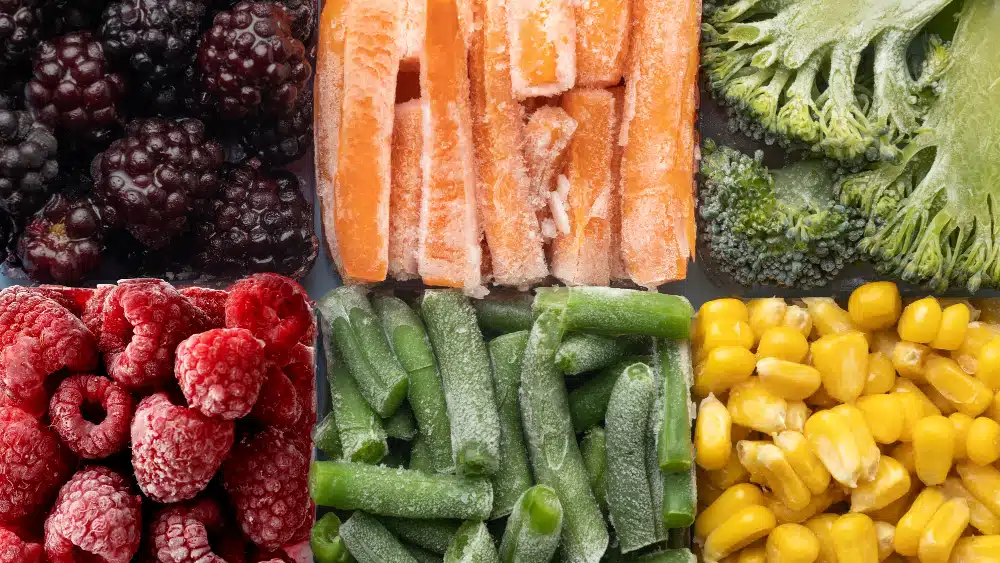
Frozen vegetables are harvested at peak ripeness and immediately flash-frozen to lock in flavor, texture, and nutrients.
Characteristics of Frozen Vegetables
- Harvested and frozen within hours.
- Stored at sub-zero temperatures for months.
- Nutrients remain relatively stable until cooked.
Nutritional Value: Fresh vs Frozen Vegetables
One of the biggest concerns people have is nutrition. Let’s break it down:
Fresh Vegetables
- Pros:
- Maximum nutrition if eaten right after harvest.
- Typically higher in vitamin C and antioxidants when very fresh.
- Cons:
- Nutrient loss begins as soon as vegetables are picked.
- Long transport and storage reduce vitamins like vitamin C and folate.
Frozen Vegetables
- Pros:
- Flash-freezing locks in nutrients at peak ripeness.
- Comparable—or sometimes higher—vitamin and mineral content than stored fresh produce.
- Cons:
- Texture may soften after thawing.
- Some pre-packaged frozen vegetables contain added salt or sauces.
👉 Key takeaway: If fresh vegetables are consumed quickly after harvest, they may have the edge. But if you buy produce that’s been shipped long distances, frozen can often be just as nutritious—or better.
Taste and Texture: Which One Wins?
- Fresh vegetables: Usually have superior texture and flavor, especially when seasonal.
- Frozen vegetables: May lose some crunch due to freezing, but work well in soups, stir-fries, and casseroles.
👉 For salads or raw consumption, fresh is usually preferred. For cooking, frozen is just as effective.
Cost and Convenience
Fresh Vegetables
- Can be expensive, especially out of season.
- Require regular shopping trips to avoid spoilage.
Frozen Vegetables
- Often more affordable than fresh, especially for out-of-season produce.
- Stored for months without spoiling.
- Pre-washed and pre-cut, saving time in the kitchen.
👉 If you’re on a budget or short on time, frozen vegetables provide great value.
Storage and Shelf Life
- Fresh vegetables: Short shelf life (days to weeks). Must be eaten quickly.
- Frozen vegetables: Can last 6–12 months in the freezer. Perfect for meal planning and reducing food waste.
Environmental Impact: Fresh vs Frozen Vegetables
- Fresh vegetables: If locally sourced, have a lower carbon footprint. Imported fresh produce, however, can have a large environmental impact.
- Frozen vegetables: Require energy for freezing and storage, but reduce food waste since they last longer.
👉 The eco-friendliest option is locally grown, seasonal produce, whether fresh or frozen.
Step-by-Step Guide: How to Choose Between Fresh and Frozen Vegetables
- Consider the purpose
- Salads or raw dishes → choose fresh.
- Soups, stir-fries, casseroles → frozen works perfectly.
- Check freshness
- Look for bright colors, firm texture, and minimal bruising.
- Avoid wilted or dull-looking fresh vegetables.
- Check frozen labels
- Choose plain frozen vegetables without added sauces, salt, or sugar.
- Plan for convenience
- Stock frozen veggies for busy weeks.
- Buy fresh vegetables when you know you’ll cook them soon.
- Balance both
- Keep a mix of fresh and frozen vegetables to maximize nutrition, taste, and convenience.
Practical Tips for Cooking Fresh and Frozen Vegetables
Cooking Fresh Vegetables
- Wash thoroughly before use.
- Steam or sauté lightly to preserve nutrients.
- Eat raw when possible for maximum vitamin C.
Cooking Frozen Vegetables
- Do not thaw before cooking—go straight from freezer to pan or pot.
- Steam, microwave, or stir-fry to minimize nutrient loss.
- Avoid boiling, which can leach vitamins into water.
FAQs About Fresh vs Frozen Vegetables
1. Are frozen vegetables less healthy than fresh?
No. Frozen vegetables are often just as healthy—or even healthier—because they’re frozen at peak ripeness, preserving nutrients.
2. Do frozen vegetables contain preservatives?
Most plain frozen vegetables do not. They’re preserved through flash-freezing, not chemicals. Always check labels for sauces or additives.
3. Which is better for weight loss: fresh or frozen vegetables?
Both are equally good. Weight loss depends on portion control and preparation (avoid adding too much oil, butter, or sauces).
4. Do frozen vegetables lose nutrients when cooked?
Like fresh vegetables, some vitamins (like vitamin C) are lost during cooking. Steaming or microwaving helps preserve nutrients better than boiling.
5. Are frozen vegetables more affordable than fresh?
Yes. Frozen vegetables are typically less expensive, especially for out-of-season produce. They also reduce food waste due to longer shelf life.
6. Should I buy organic frozen vegetables?
If avoiding pesticides is a priority, organic frozen vegetables are a great choice. Both organic and conventional frozen vegetables remain highly nutritious.
Conclusion
When it comes to fresh vs frozen vegetables, there’s no clear winner—both have unique strengths. Fresh vegetables shine in flavor and are best when eaten shortly after harvest. Frozen vegetables, however, are highly convenient, budget-friendly, and surprisingly nutritious thanks to flash-freezing.