
Introduction: Drinking Gin
If you enjoy a gin and tonic now and then, you might be curious — can drinking gin actually be good for your health? While excessive alcohol consumption can harm your body, moderate intake of certain spirits like gin may offer some surprising benefits. Gin, distilled from juniper berries and botanicals, contains antioxidants and natural compounds that can support your wellbeing.
In this article, we’ll explore 4 reasons drinking gin might be good for your health, practical ways to enjoy it responsibly, and insights from dietitians to help you make informed choices.
What Is Gin and Why It’s Different
Gin is a distilled spirit primarily flavored with juniper berries, along with other botanicals such as coriander, citrus peel, and angelica root. Unlike sugary cocktails, pure gin is low in sugar and calories, which makes it a better choice for moderation-conscious adults.
Key Facts About Gin
- Alcohol content: Typically 37.5%–47% ABV
- Made from distilled grain or malt spirits
- Flavored naturally with juniper and other botanicals
- Low in carbs and calories when consumed neat or with soda water
1. Rich in Antioxidants
Juniper berries, the primary botanical in gin, are rich in antioxidants, including flavonoids and polyphenols. These compounds help your body combat oxidative stress, which is linked to aging, inflammation, and chronic diseases.
Benefits of antioxidants in gin:
- Protects cells from free radical damage
- Supports a healthy immune system
- May reduce inflammation
Dietitian tip: Enjoying a gin cocktail with fresh herbs or citrus can further boost antioxidant content. For example, adding lime, rosemary, or fresh berries enhances both flavor and nutrients.
2. May Support Heart Health
Moderate alcohol consumption, including gin, has been associated with better cardiovascular health in some studies. The antioxidants in juniper berries may also contribute to improved heart function.
How Gin May Help Your Heart:
- Reduces LDL cholesterol (bad cholesterol)
- Supports HDL cholesterol (good cholesterol)
- May improve blood circulation
Practical tip: Limit intake to one drink per day for women and up to two drinks per day for men, as overconsumption can have the opposite effect.
3. Low in Calories Compared to Other Alcohols
Many cocktails are loaded with sugar, syrups, and mixers, which add unnecessary calories. Gin, especially when paired with soda water and a splash of lime, is significantly lower in calories.
Calorie comparison:
- 1.5 oz gin neat: ~97 calories
- Gin & soda with lime: ~120 calories
- Standard margarita: ~300–400 calories
Dietitian tip: Swap sugary mixers for soda water or infused sparkling water to enjoy the flavor without excess calories.
4. May Aid Digestion
Juniper berries have traditionally been used as a digestive aid, and some research suggests that moderate gin consumption may help stimulate digestive enzymes.
Ways to enjoy gin for digestion:
- Have a small gin cocktail after a large meal
- Pair with fresh herbs like mint or thyme to support digestion
- Avoid overconsumption, as too much alcohol can irritate the stomach

Practical Tips for Enjoying 4 Reasons Drinking Gin
Step 1: Choose Quality Gin
- Look for premium gins distilled with natural botanicals
- Avoid heavily sweetened or flavored gins, which can add sugar
Step 2: Opt for Healthy Mixers
- Soda water, tonic water with no added sugar, or fresh citrus juice
- Fresh herbs, cucumber slices, or berries for flavor and antioxidants
Step 3: Watch Portion Sizes
- Standard serving: 1.5 oz (44 ml) per cocktail
- Stick to moderate consumption guidelines for health benefits
Step 4: Hydrate
- Alternate drinks with water to stay hydrated
- Helps reduce hangover effects and supports digestion
Creative Low-Calorie Gin Drinks
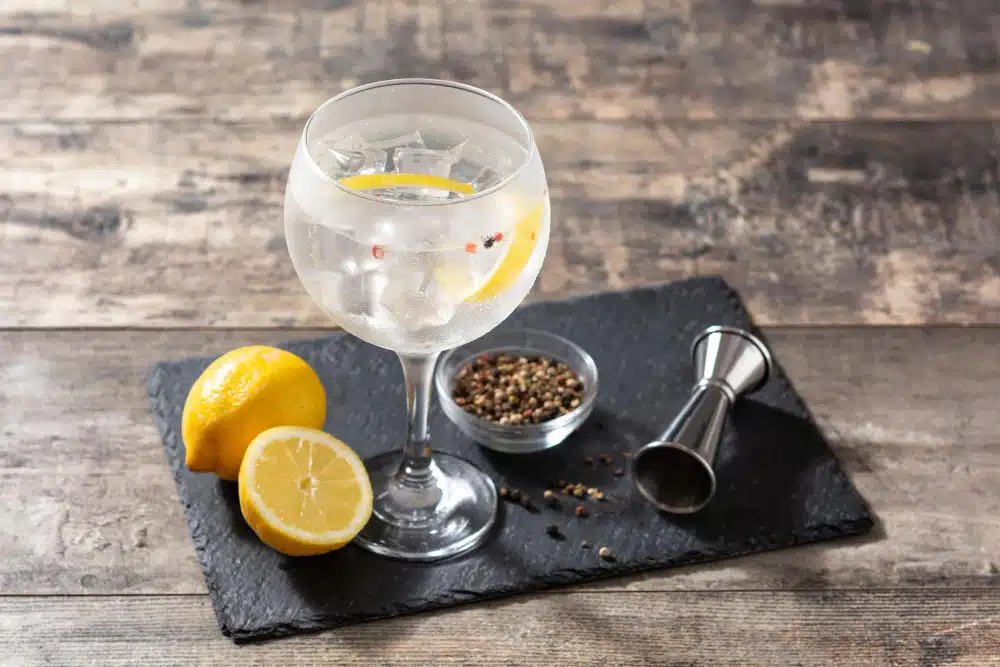
- Classic Gin & Tonic: Gin + soda water + lime wedge
- Gin Spritz: Gin + soda water + splash of cranberry juice + mint
- Herbal Gin Fizz: Gin + fresh rosemary + lemon juice + sparkling water
- Cucumber Cooler: Gin + cucumber slices + soda water + lime
Precautions For Drinking Gin
While moderate gin consumption may have potential benefits, excessive drinking is harmful:
- Increases risk of liver disease, hypertension, and heart problems
- Can contribute to weight gain due to high-calorie mixers
- May interact with medications
Dietitian advice: Always enjoy gin in moderation, ideally with a meal or alongside nutrient-dense foods.
FAQs About Drinking Gin and Health
1. How much gin is safe to drink daily?
Moderate consumption is 1 drink per day for women and up to 2 drinks per day for men. One drink = 1.5 oz (44 ml) of gin.
2. Can gin help with heart health?
Some studies suggest moderate gin consumption may support heart health due to antioxidants in juniper berries and lower calorie content compared to sugary cocktails.
3. Is gin better than other spirits for weight management?
Yes — gin is low in calories and sugar when consumed neat or with soda water, making it a better choice than many cocktails.
4. Can drinking gin aid digestion?
Moderate gin consumption, especially with juniper-rich botanicals, may help stimulate digestive enzymes, but excessive alcohol can harm digestion.
5. Are flavored gins healthy?
Flavored gins may contain added sugar, which reduces their health benefits. Opt for naturally distilled gins with fresh herbs or citrus for flavor.
6. Can gin be part of a balanced diet?
Yes, in moderation. Pair it with nutrient-rich foods, hydrate properly, and avoid sugary mixers to enjoy gin responsibly.
Conclusion: 4 Reasons Drinking Gin
While overconsumption of alcohol is harmful, drinking gin in moderation may offer surprising health benefits, from antioxidants and heart support to digestion and low-calorie enjoyment. By choosing quality gin, healthy mixers, and sticking to proper serving sizes, you can enjoy the flavor without compromising your health.