

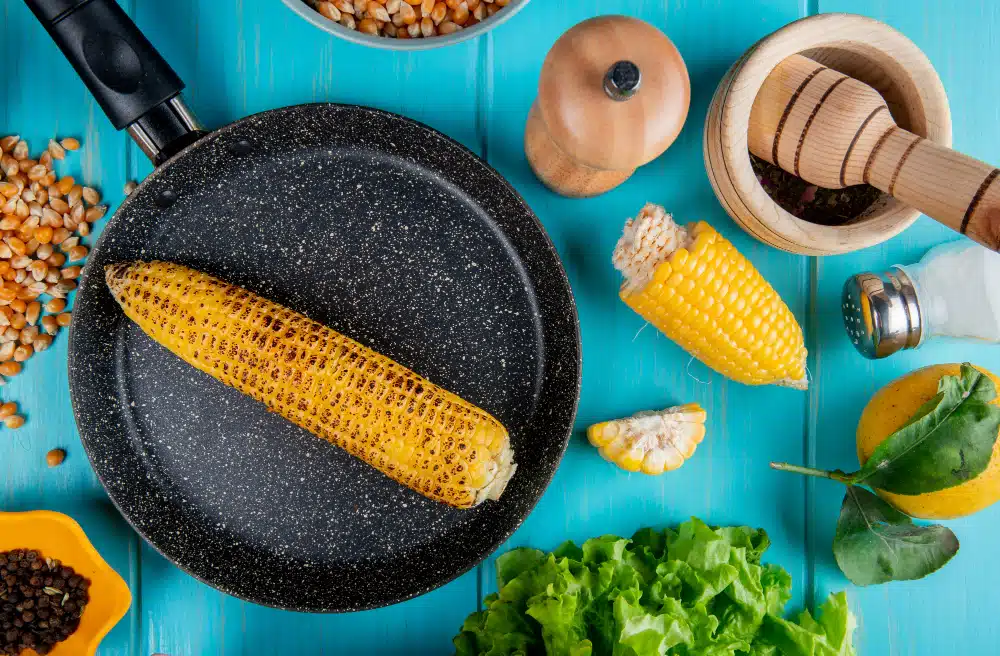
Corn often gets a bad reputation — it’s been called “fattening,” “too starchy,” or even “empty calories.” But is corn really unhealthy, or is it just misunderstood? In reality, sweet corn is packed with nutrients, antioxidants, and dietary fiber that support a balanced diet. And when you understand the calories in an ear of corn, you’ll see that it’s not the villain it’s sometimes made out to be.
Let’s bust five of the most common myths about corn with facts from nutrition experts — and learn how to enjoy it guilt-free!
Myth #1: Corn Is Just Empty Carbs
One of the biggest misconceptions is that corn is “just carbs.” While it’s true that corn contains carbohydrates, they’re complex carbs — the kind your body uses for steady energy.
In fact, a medium ear of sweet corn provides:
- Around 90–100 calories in an ear of corn
- 3 grams of dietary fiber
- 3 grams of protein
- Essential nutrients like magnesium, B vitamins, and potassium
These nutrients work together to support digestion, heart health, and brain function. The natural sugars in corn are balanced by fiber, preventing rapid spikes in blood sugar.
Bottom line: Corn isn’t just carbs — it’s a nutrient-rich whole grain that fuels your body.
Myth #2: Corn Makes You Gain Weight
Many people avoid corn because they believe it leads to weight gain. The truth? Corn can absolutely fit into a weight-loss or maintenance plan, especially when eaten in moderation.
Here’s why:
- The calories in an ear of corn are modest compared to other starches.
- Corn is naturally fat-free and contains fiber that keeps you feeling full longer.
- The natural sweetness of corn satisfies cravings without added sugars.
When you eat corn alongside lean protein and vegetables, it becomes part of a balanced, satisfying meal rather than a “diet enemy.”
Pro tip: Avoid butter-soaked or fried corn toppings — go for herbs, lime juice, or olive oil instead.
Myth #3: Corn Has No Nutritional Value
This myth couldn’t be further from the truth. Sweet corn is a powerhouse of antioxidants, particularly lutein and zeaxanthin, which are known to protect eye health and fight oxidative stress.
Here’s a quick look at what one serving (one medium ear) offers:
- Calories in an ear of corn: about 96 kcal
- Vitamin C: 10% of your daily needs
- Folate and Thiamine: vital for energy metabolism
- Fiber: improves digestion and gut health
Corn also contains plant compounds like ferulic acid, which helps combat inflammation.
In short, corn is far from “empty” — it’s packed with nutrition that supports long-term health.
Myth #4: Corn Is Bad for Blood Sugar
Another common myth is that corn spikes blood sugar levels, especially for people with diabetes. However, research shows that when eaten in moderate portions, sweet corn can be part of a diabetic-friendly diet.
Why? Because:
- The fiber in corn slows glucose absorption.
- The calories in an ear of corn are balanced and not excessive.
- The glycemic index (GI) of corn is moderate, not high.
If you pair corn with healthy fats and protein — like grilled chicken, avocado, or beans — it helps stabilize your blood sugar response.
Dietitian tip: Opt for grilled or boiled corn instead of creamed or processed versions to keep your blood sugar steady.
Myth #5: Corn Is Always GMO and Unsafe
While much of field corn grown for animal feed in the U.S. is genetically modified, most sweet corn sold for human consumption is non-GMO or labeled as such.
Even when corn is genetically modified, major studies have found no evidence of harm to human health. Instead, GMO crops are often bred for pest resistance and sustainability.
If you prefer to avoid GMOs, simply look for labels such as:
- “Non-GMO Project Verified”
- “Organic Sweet Corn”
And remember, regardless of GMO status, the calories in an ear of corn and its nutritional value remain the same.

How to Enjoy Corn the Healthy Way
Now that we’ve debunked the myths, let’s look at practical, healthy ways to enjoy corn at home.
1. Boiled or Steamed Corn on the Cob
Boil or steam fresh corn for 5–7 minutes, then season with olive oil, salt, and a squeeze of lime.
👉 Each serving offers fiber, vitamins, and about 90 calories in an ear of corn.
2. Grilled Corn with Herbs
Brush with olive oil, sprinkle paprika and parsley, and grill for a smoky flavor. This method keeps nutrients intact and adds depth.
3. Corn in Salads or Salsas
Add cooked kernels to black bean salads or avocado salsa. The natural sweetness enhances texture and taste.
4. Corn Soup or Chowder
Use pureed corn as a creamy base instead of heavy cream — lower fat, more fiber, and naturally sweet.
5. Air-Fried Corn Ribs
Cut ears into strips and air-fry with a little seasoning for a trendy, crispy side dish.
AQ: Common Questions About Corn
1. How many calories are in an ear of corn?
A medium ear of sweet corn contains roughly 90–100 calories in an ear of corn, depending on how it’s cooked.
2. Is corn healthy for people with diabetes?
Yes — when eaten in moderation. Pair corn with protein and healthy fats to balance blood sugar.
3. Does corn help with digestion?
Absolutely. The fiber in corn supports gut health and helps regulate digestion.
4. Can corn fit into a weight-loss diet?
Definitely. The calories in an ear of corn are modest, and its fiber content promotes satiety, making it ideal for weight management.
5. Is canned corn as healthy as fresh corn?
Canned corn retains most nutrients but may contain added sodium. Choose “no salt added” versions for best results.
6. What’s the healthiest way to cook corn?
Steaming or boiling corn with minimal seasoning keeps it light and nutrient-rich — while maintaining the natural calories in an ear of corn.
Conclusion: Corn Is Good for You — Here’s the Truth
So, is corn good for you? Absolutely. It’s a naturally sweet, fiber-rich, and vitamin-packed vegetable that supports digestion, heart health, and overall wellness.
When enjoyed in moderation, the calories in an ear of corn fit perfectly into a healthy diet — and it’s one of the most satisfying, versatile foods you can eat.