


When you’re focused on reducing sugar and eating cleaner, exploring Indian cuisine might seem challenging. Many traditional dishes are known for their rich sauces and complex flavors that can sometimes include hidden sugars or excessive oils. But what if you could enjoy the authentic, aromatic experience of Eastern Indian cooking in a dish that’s naturally sugar-free and perfectly aligned with your health goals? We’re excited to share our wholesome version of Bengali-Style Chicken Curry, a dish that captures the essence of Bengal’s culinary heritage while supporting your wellness journey.
This dish represents the soul of Bengali home cooking – delicate spices, tender chicken, and a light yet flavorful sauce that lets each ingredient shine. Our Bengali-Style Chicken Curry maintains the authentic character of traditional Bengali cuisine while being thoughtfully adapted for modern health-conscious eaters. It’s a balanced, nourishing meal that proves you can enjoy cultural culinary experiences while staying true to your sugar-free lifestyle. Let’s explore why this Bengali-Style Chicken Curry deserves a special place in your healthy recipe collection.
What Is Bengali-Style Chicken Curry and Why It Matters?
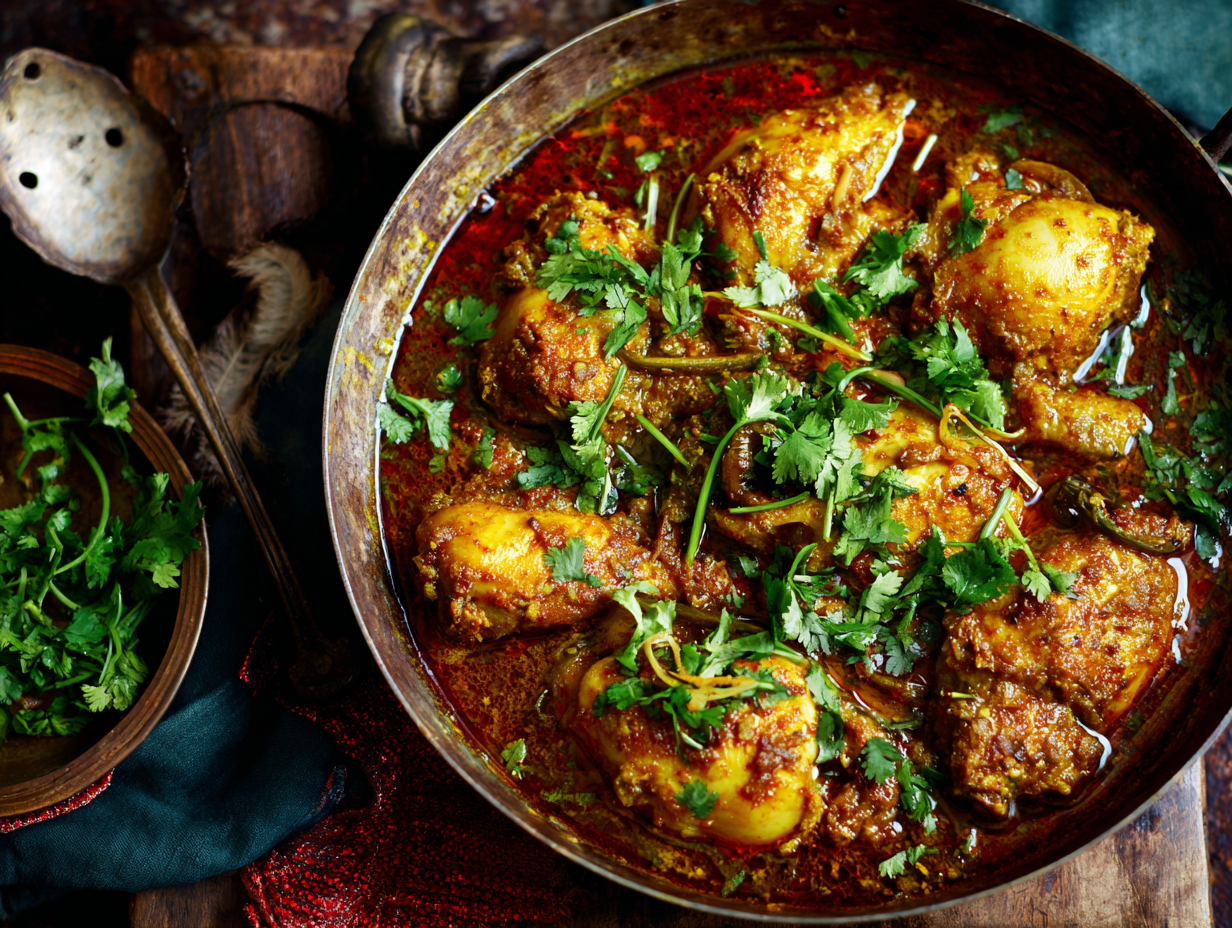
Traditional Bengali chicken curry, known as “Murgir Jhol” in Bengal, is characterized by its light, flavorful gravy and emphasis on aromatic whole spices rather than heavy cream or excessive oil. Unlike some richer North Indian curries, Bengali cuisine typically features lighter preparations with a focus on the natural flavors of ingredients. However, even traditional versions can sometimes include more oil than necessary or rely on sugar to balance the tomatoes’ acidity.
Our version of Bengali-Style Chicken Curry is a conscious reinterpretation that preserves the dish’s cultural authenticity while optimizing its nutritional profile. We’ve made several thoughtful adjustments: using measured amounts of vegetable oil rather than generous pours, incorporating skinless chicken to reduce saturated fat while maintaining flavor through bone-in cooking, and completely eliminating any added sugar. The result is Bengali-Style Chicken Curry that honors its cultural roots while supporting your health goals. By focusing on the natural flavors of spices and fresh ingredients, we’ve created a dish that’s both authentically Bengali and optimally nourishing.
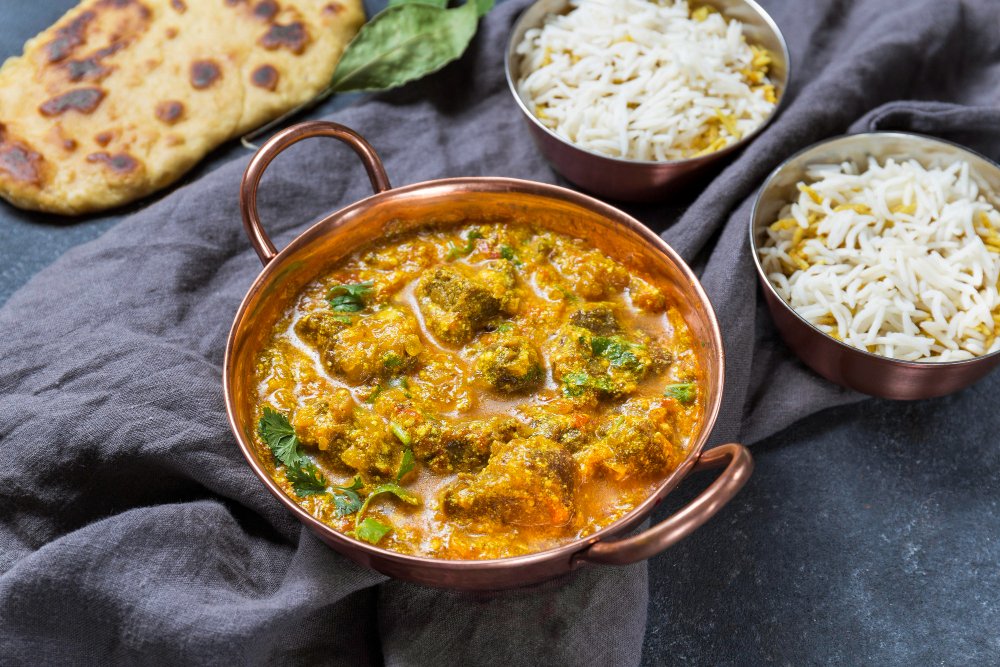
The Health Benefits in This Aromatic Curry
This reimagined curry isn’t just culturally significant – it’s a nutritional powerhouse designed to support your well-being.
- Bone-In Chicken: Flavorful Protein Source: Using skinless, bone-in chicken pieces provides rich flavor and high-quality protein that supports muscle maintenance and promotes satiety. Cooking chicken with bones contributes minerals to the dish and creates a more flavorful base for the curry. The protein content helps regulate blood sugar levels and keeps you feeling satisfied, making this Bengali-Style Chicken Curry both nourishing and satisfying.
- The Spice Blend: Ayurvedic Wisdom: The combination of whole spices (cloves, cardamom, cinnamon) and ground spices (cumin, turmeric, paprika) does more than create authentic flavor. Turmeric contains curcumin, a compound studied for its anti-inflammatory properties. Cinnamon may help regulate blood sugar levels, while ginger and garlic support digestion and immune function. These spices allow us to create deeply flavorful Bengali-Style Chicken Curry without relying on excessive salt, sugar, or fat.
- Bell Peppers: Nutrient-Dense Vegetable Addition: The inclusion of green bell peppers adds not just texture and color but also valuable nutrients. Bell peppers are rich in vitamin C, vitamin A, and various antioxidants. They contribute fiber that supports digestive health and helps moderate the dish’s overall glycemic impact, making this Bengali-Style Chicken Curry a well-rounded meal.
- A Light Yet Satisfying Meal: Unlike some heavy, cream-based curries, this Bengali-Style Chicken Curry features a light gravy that lets the natural flavors of the ingredients shine through. The combination of lean protein from chicken, beneficial compounds from spices, and nutrients from vegetables creates a meal that’s both light and deeply satisfying, supporting stable energy levels and overall wellness.
Addressing Potential Challenges
This recipe brings authentic Bengali flavors to your kitchen, and these tips will ensure your success.
- Working with Whole Spices: The cloves, cardamom pods, and cinnamon sticks are essential for authentic Bengali flavor. These whole spices are typically tempered in oil at the beginning to release their essential oils. If you can’t find whole spices, you can use ground equivalents, but reduce the quantities and add them later in the cooking process.
- Achieving the Right Gravy Consistency: Bengali curries typically have a light, flavorful gravy rather than a thick, heavy sauce. The key is using the right amount of liquid and not overcooking the sauce. If your gravy seems too thin, you can simmer it uncovered for a few extra minutes to reduce. If it’s too thick, add a splash of hot water.
- Marinating for Maximum Flavor: The marinade is crucial for infusing the chicken with flavor. Make sure to marinate for at least 30 minutes, or ideally up to 4 hours in the refrigerator. The onion, garlic, and ginger purée not only adds flavor but also helps tenderize the chicken.
Tips and Trends for Healthy Indian Cooking
Exploring regional Indian cuisines is a wonderful way to add variety to healthy eating, as different regions offer distinct approaches to flavor and nutrition. Bengali cuisine, in particular, is known for its lighter preparations and emphasis on fish and vegetables, making it naturally aligned with health-conscious eating. The use of whole spices not only creates authentic flavor but also provides various health benefits through their essential oils and bioactive compounds. Meal planning apps can help you incorporate global dishes like this Bengali-Style Chicken Curry into your routine, ensuring you have all the necessary spices and ingredients on hand.
Frequently Asked Questions
Question: Can I use boneless chicken instead of bone-in?
Answer: Yes, you can use boneless chicken thighs or breast. Reduce the cooking time by 5-10 minutes, as boneless chicken cooks faster. Bone-in chicken is traditional and contributes more flavor to the curry.
Question: What’s the purpose of puréeing the onion for the marinade?
Answer: Puréed onion creates a paste that coats the chicken evenly and helps tenderize it while adding subtle sweetness and flavor depth. It also helps the spices adhere to the chicken better.
Question: My curry is too spicy. How can I tone it down?
Answer: Add a tablespoon of plain yogurt or a squeeze of lemon juice to balance the heat. You can also serve with extra rice or a side of cucumber raita to help cool the palate.
Question: Can I make this dish in a slow cooker?
Answer: Yes, you can adapt this Bengali-Style Chicken Curry for a slow cooker. Sauté the whole spices and onions first, then transfer everything to the slow cooker and cook on low for 6-7 hours or high for 3-4 hours. Add the bell peppers in the last hour of cooking.
Conclusion
This healthier Bengali-Style Chicken Curry demonstrates how regional Indian cuisines can be celebrated while supporting your health goals. It’s a dish that satisfies both the palate and the body, providing a genuine taste of Eastern Indian cooking while aligning with sugar-free, clean eating principles. We hope this recipe inspires you to explore more regional Indian cuisines while maintaining your commitment to wellness.
Did you enjoy this Bengali culinary experience? We’d love to hear about your adventure! Share your photos and feedback with us on social media or leave a comment below. For more globally-inspired, sugar-free recipes, explore our full collection at sugardetoxlab.com.