

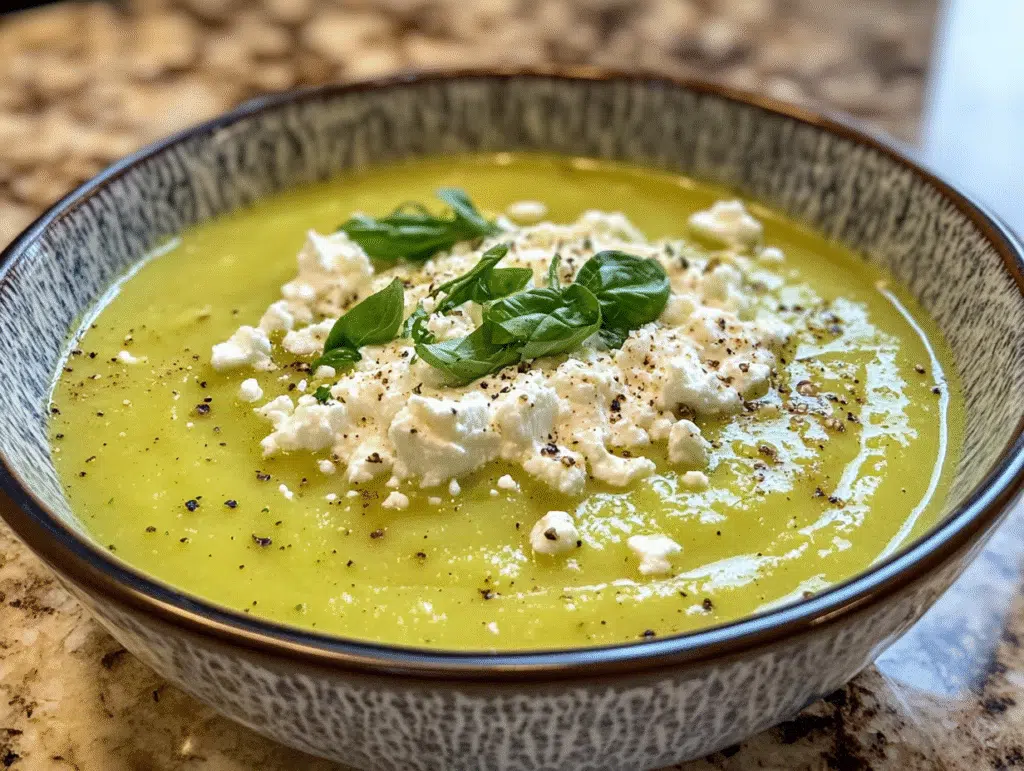
Baked Feta and Veggie Soup is the perfect solution for those craving lighter, brighter meals as the seasons change. For anyone on a sugar detox journey, the transition can be challenging—finding dishes that are both satisfying and free from hidden sugars is essential. While creamy soups are always comforting, many traditional recipes rely on heavy cream, flour, or starchy thickeners that can compromise your wellness goals. This recipe achieves that same luxurious, creamy texture using only whole, nutrient-dense ingredients. Inspired by a viral cooking trend, it transforms into a wholesome, sugar-free, and incredibly flavorful dish that highlights the best of spring produce. Vibrant, gut-friendly, and indulgent without the guilt, it’s a nourishing bowl packed with health benefits.
What Is Baked Feta and Veggie Soup and Why It Matters?
The concept of baking a block of feta cheese with tomatoes became a global internet sensation for good reason: it’s simple, delicious, and creates a wonderfully creamy sauce for pasta. However, the traditional version often lacks a diversity of vegetables and is typically served over refined carbohydrates, which can be a setback for those monitoring their sugar intake or seeking a more nutrient-balanced meal.
Our Baked Feta and Veggie Soup is a conscious evolution of that trend. We’ve moved beyond tomatoes and pasta to create a well-rounded, stand-alone soup. By baking the feta with a medley of spring vegetables like asparagus, leeks, and fresh peas, we create a deep, caramelized flavor base. The magic happens in the oven, where the vegetables soften and sweeten naturally and the feta transforms into a salty, creamy foundation. This entire mixture is then blended with broth into a velvety soup. This approach to Baked Feta and Veggie Soup provides a rich, satisfying experience without a drop of added sugar, cream, or gluten, making it a superior choice for a health-focused lifestyle.
Baked Feta and Veggie Soup: Unpacking the Health Benefits
This soup is a celebration of whole foods, each contributing a powerful nutritional punch. It’s a testament to how eating with the seasons can naturally support your body’s needs.
- Asparagus: A hallmark of spring, asparagus is a nutritional superstar. It’s a great source of prebiotic fiber, specifically inulin, which feeds the beneficial bacteria in your gut, promoting digestive health and overall well-being. It’s also rich in folate and vitamins A, C, and K.
- Leeks & Garlic: These allium vegetables are the flavor foundation of the soup. They are rich in antioxidants and contain compounds that have been linked to anti-inflammatory and heart-protective benefits. They also provide a gentle, natural sweetness when roasted.
- Fresh Peas: These little green gems add a pop of sweetness and a significant boost of plant-based protein and fiber. The fiber content helps slow digestion, promoting stable blood sugar levels and lasting satiety.
- Feta Cheese: Unlike many processed cheeses, a good-quality feta in brine is a simple product. It provides a hefty dose of calcium and protein, which is what creates the soup’s signature creamy texture without any need for heavy cream or flour-based roux. Its tangy, salty flavor means a little goes a long way in seasoning the entire pot.
- Spinach: Wilting a whole package of spinach into the hot soup is an effortless way to incorporate a massive volume of leafy greens. Spinach is loaded with iron, vitamins, and minerals, contributing to the soup’s vibrant green color and dense nutrient profile.
- Greek Yogurt: Used as a garnish, strained yogurt adds a cool, tangy contrast and an extra hit of protein. Its probiotics support the gut health promoted by the prebiotic asparagus, making this a truly symbiotic meal.
This combination of high fiber, healthy fats, and protein makes this soup excellent for blood sugar management, digestive health, and overall nourishment.
Navigating Potential Challenges
- Ingredient Sourcing: Finding feta in brine is key, as it tends to be creamier and less crumbly than pre-crumbled varieties. It’s available in the cheese section of most grocery stores. For the best flavor, use the freshest, in-season vegetables you can find. Frozen peas can be an excellent substitute if fresh are not available.
- Prepping Leeks: Leeks are grown in sandy soil, so they require thorough cleaning. After slicing them into coins, submerge them in a large bowl of water and swish them around. The sand will sink to the bottom, and you can scoop the clean leeks off the top.
- Blending Hot Soup: Safety is paramount when blending hot liquids. Always allow the soup to cool slightly before transferring it to a blender, and never fill the blender jar more than halfway. Hold the lid on firmly with a towel to prevent any explosive accidents. An immersion blender is a safer and easier alternative for pureeing soup directly in the pot.

Tips and Trends for Healthy Home Cooking
The trend of “hackable” meals like this—taking a viral concept and adapting it for specific health needs—is a powerful tool for sustainable eating. Leveraging AI-based meal planning apps can help you seamlessly integrate a recipe like this into your weekly plan, suggesting it when seasonal ingredients are at their peak and most affordable. The movement towards foods that support the gut microbiome is also growing, and this soup, with its prebiotic and probiotic elements, is perfectly aligned. Using a high-powered blender can also help you achieve that restaurant-quality, silky-smooth texture in all your blended soups.
Frequently Asked Questions
Question: Can I use frozen vegetables instead of fresh in this Baked Feta and Veggie Soup?
Answer: Yes, you can. Frozen asparagus, peas, and even pre-chopped leek mixes can work well. There’s no need to thaw them; just add a few extra minutes to the roasting time. The texture of the final soup might be slightly less firm, but the flavor will still be excellent.
Question: My soup turned out a bit too thick. How can I thin it?
Answer: This is an easy fix. Simply stir in additional vegetable broth, a quarter cup at a time, until you reach your desired consistency. You can also use a bit of water or even a splash of unsweetened plant-based milk.
Question: Is an immersion blender necessary, or can I use a regular blender?
Answer: You can absolutely use a standard countertop blender. For safety, let the roasted vegetable and feta mixture cool for 10-15 minutes before blending. Blend in batches, never filling the blender more than halfway, and hold the lid on tightly with a kitchen towel.
Question: Can I make this soup ahead of time for a dinner party?
Answer: This soup is an excellent make-ahead option. In fact, the flavors often improve after sitting for a day. Prepare the soup completely, let it cool, and store it in the refrigerator. Gently reheat it on the stovetop before serving, adding a little broth if it has thickened. Prepare the fresh garnishes just before serving.
Conclusion
This Baked Feta and Veggie Soup is more than just a meal; it’s a vibrant, nourishing celebration of spring that fully supports your sugar-free lifestyle. It proves that you can enjoy rich, creamy, and deeply satisfying flavors while fueling your body with the very best ingredients. It’s a simple, elegant, and health-conscious dish that is perfect for a quiet weeknight dinner or for impressing guests.
We encourage you to welcome the new season with this bright and wholesome recipe. Enjoy the process of creating it and the wonderful feeling of eating something truly good for you. We’d love to hear how it turns out! For more inspiration and recipes to support your sugar detox journey, explore the rest of our content on sugardetoxlab.com.