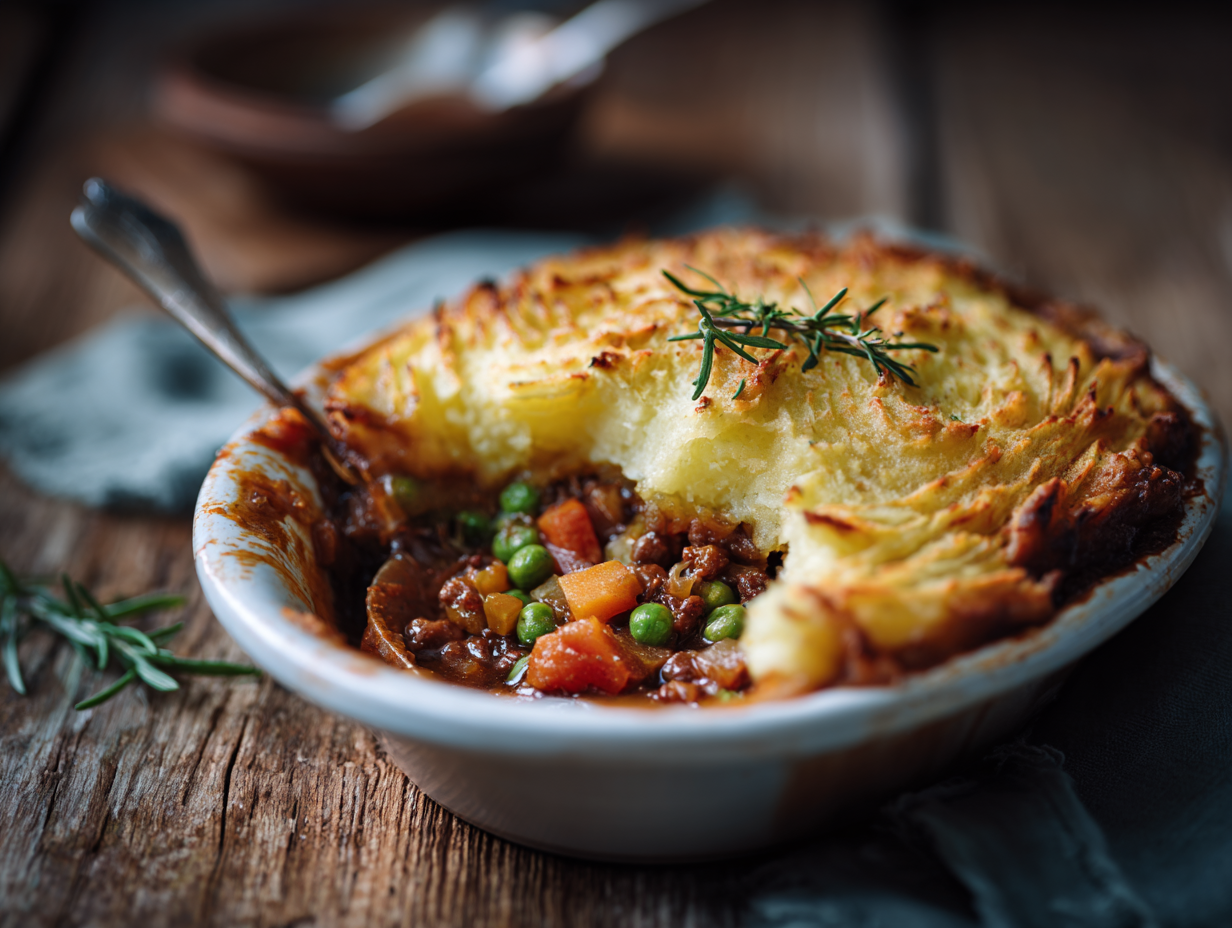

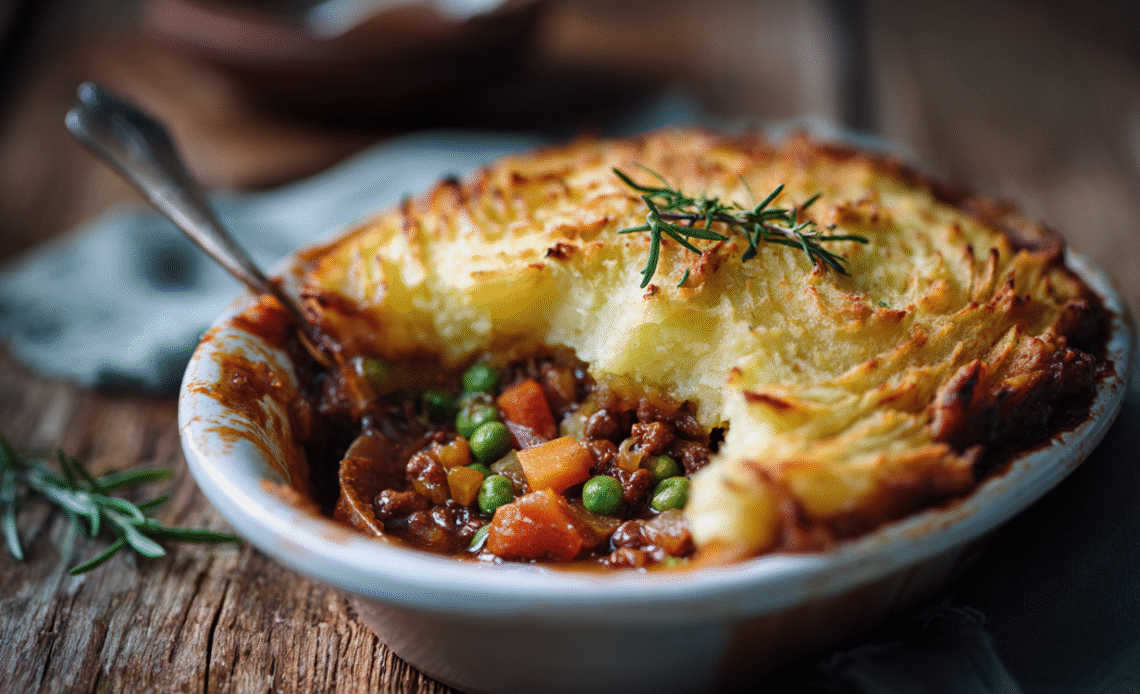
When the weather turns chilly and you’re craving something deeply comforting, few dishes satisfy quite like a cottage pie. That golden, mashed potato topping over a rich, savory filling is the epitome of home-cooked warmth. But for those following a plant-based or health-conscious lifestyle, the traditional meat-heavy version can feel off-limits. What if you could enjoy all the heartwarming satisfaction of this classic dish in a lighter, plant-powered form? Enter our Meat-Free Cottage Pie—a nourishing, vegetable-packed masterpiece that delivers incredible flavor and comfort while aligning perfectly with your health goals.
What Is Meat-Free Cottage Pie and Why Does It Matter?
Traditional cottage pie is a British classic, typically made with ground meat (usually beef) cooked in a gravy with onions and vegetables, then topped with mashed potatoes and baked. While delicious, it can be high in saturated fat and often contains hidden sugars in store-bought gravy granules or sauces. The meat-based version, while a good source of protein, lacks the diverse fiber and phytonutrients found in plant-based alternatives.
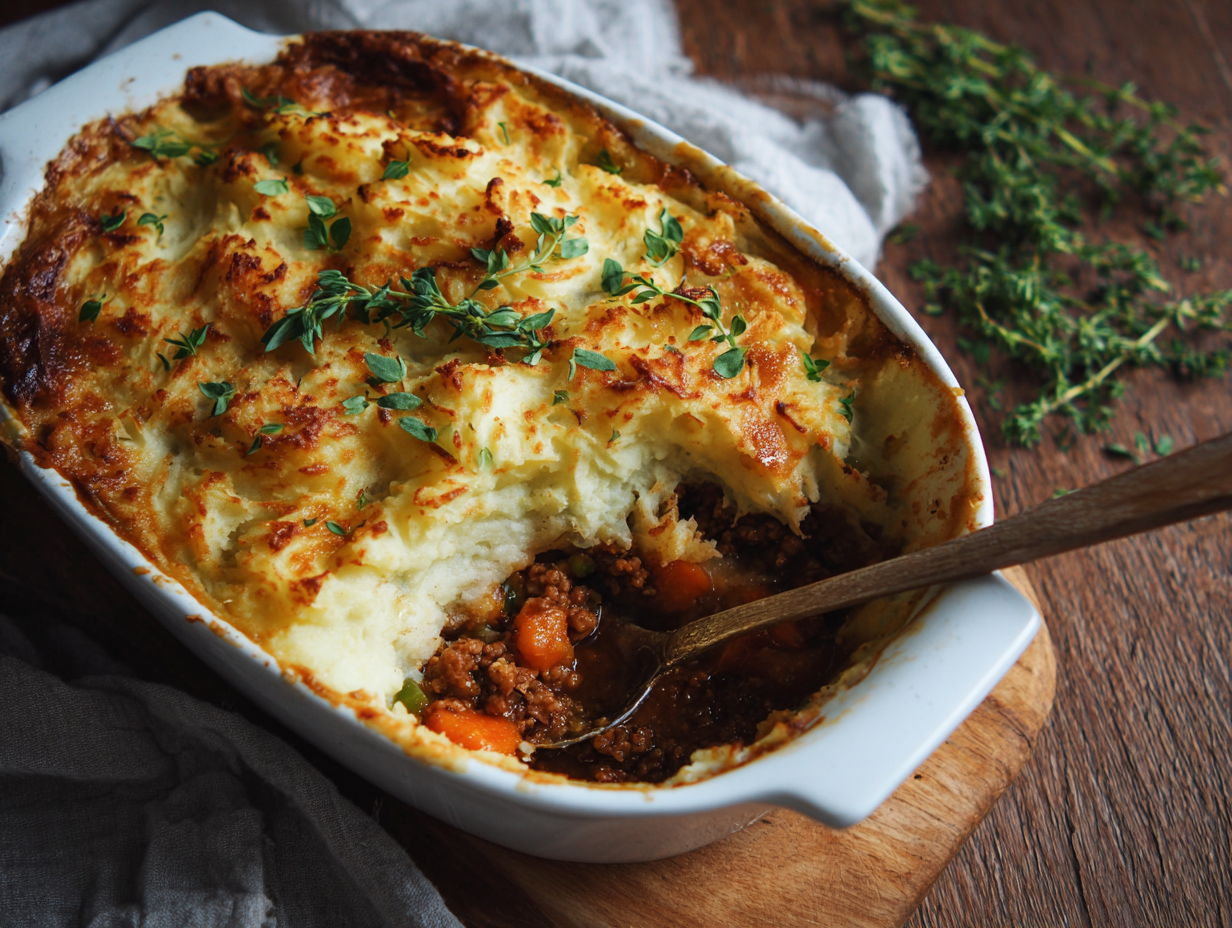
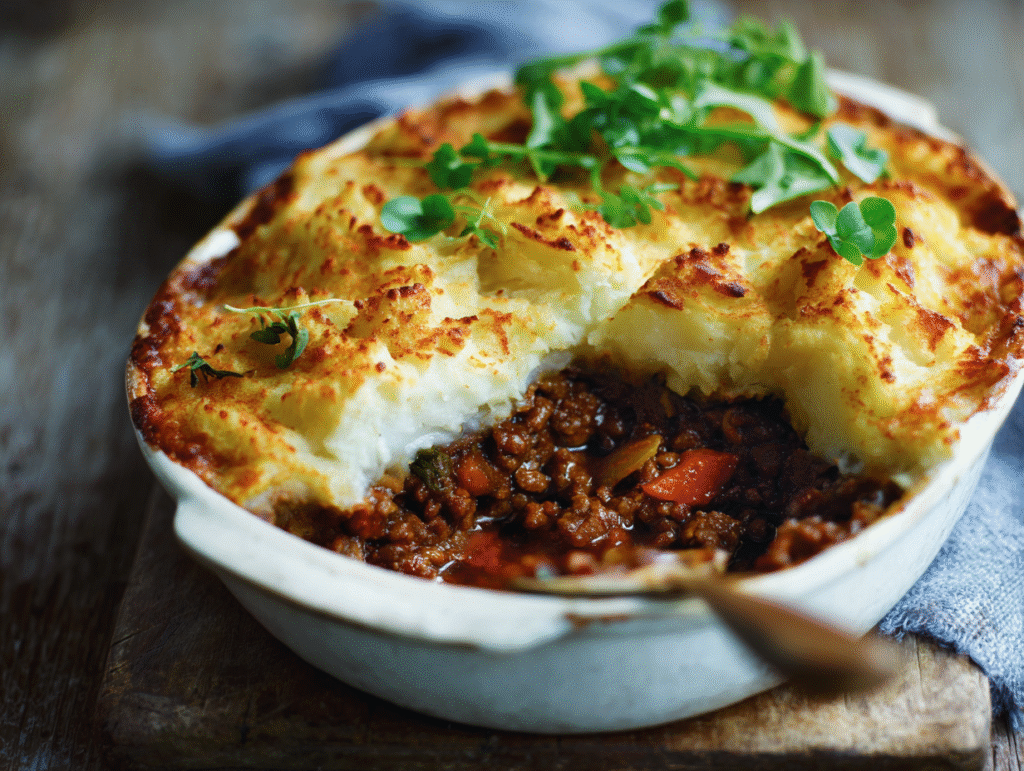
Our Meat-Free Cottage Pie reimagines this comfort food favorite from the ground up—literally. We replace the meat with vegetarian mince, which is typically made from soy, peas, or other plant proteins, and pack the filling with a colorful array of vegetables including carrots, mushrooms, and courgette. The real game-changer is the topping: a vibrant, nutrient-dense mash made from both potatoes and butternut squash. This Meat-Free Cottage Pie isn’t just a substitution; it’s an upgrade that provides more fiber, vitamins, and antioxidants than its traditional counterpart, all while being naturally sugar-free and lower in saturated fat.
The Surprising Health Benefits Beneath the Golden Crust
This plant-based version transforms cottage pie from a simple comfort food into a nutritional powerhouse:
- The Plant-Based Protein Power: Vegetarian mince provides high-quality protein without the saturated fat found in red meat. Most plant-based minces are made from soy protein or pea protein, both excellent sources of essential amino acids. Switching to plant proteins has been associated with various health benefits, including better heart health.
- Vibrant Vegetable Medley: Each vegetable in the filling contributes unique benefits. Carrots are rich in beta-carotene, which converts to vitamin A in the body and supports vision and immune function. Mushrooms provide B vitamins and selenium, while courgette adds hydration and vitamin C.
- The Supercharged Mash: By combining potatoes with butternut squash, we create a topping that’s higher in fiber, vitamins A and C, and antioxidants than traditional potato mash alone. Butternut squash is particularly rich in carotenoids, powerful antioxidants that give it its vibrant orange color.
- Blood Sugar Balance: The combination of plant protein, fiber from the vegetables, and complex carbohydrates from the potatoes and squash creates a meal with a lower glycemic impact than traditional cottage pie, helping to maintain stable energy levels.
- Dietary Compatibility: This recipe is naturally sugar-free and can be made gluten-free by ensuring your vegetarian mince and stock are gluten-free. It’s perfect for vegetarian, clean-eating, and plant-forward diets.
Navigating the Challenges of Perfect Plant-Based Comfort Food
Creating the perfect Meat-Free Cottage Pie requires some technique to ensure the filling isn’t watery and the topping has the right consistency:
- Avoiding a Watery Filling: The key is to cook the filling until most of the liquid has evaporated before transferring it to the baking dish. The cornflour helps thicken the sauce, but allowing it to simmer and reduce is crucial. Also, make sure to squeeze excess moisture from the grated courgette before adding it to the filling.
- Achieving the Perfect Mash: For a smooth, lump-free topping, ensure both the potatoes and squash are cooked until very tender. Drain them well and let them steam dry for a minute before mashing. This prevents a watery mash that would sink into the filling.
- Building Flavor Without Meat: Since we’re not using meat, we need to build umami and depth in other ways. The curry powder, mushrooms, and tomato all contribute savory notes. Don’t skip sautéing the onions and garlic until fragrant—this forms the flavor foundation.
Tips and Trends for Modern Healthy Cooking
This Meat-Free Cottage Pie aligns perfectly with the growing trend of “plant-forward” eating, where vegetables take center stage while not necessarily excluding all animal products entirely. Using AI meal planners can help you incorporate such hearty plant-based meals into your weekly rotation. The trend of reducing meat consumption for health and environmental reasons makes dishes like this increasingly popular. Embracing comfort food makeovers is a key strategy for maintaining a sustainable, health-conscious diet that doesn’t feel restrictive.
Frequently Asked Questions
Question: Can I make this meat-free cottage pie completely vegan?
Answer: Yes, easily. Ensure your vegetarian mince is vegan (many are), use vegetable stock instead of chicken stock, and substitute the butter in the mash with vegan spread or olive oil.
Question: My mash topping is too soft and sinking into the filling. How can I prevent this?
Answer: Make sure your potatoes and squash are well-drained and steamed dry after cooking. A ricer will give you the fluffiest mash. Let the filling cool slightly before topping it, and avoid overworking the mash, which can make it gluey.
Question: Can I freeze this meat-free cottage pie?
Answer: Yes, it freezes very well. Assemble completely but do not bake. Wrap tightly and freeze for up to 3 months. Thaw in the refrigerator overnight before baking as directed.
Question: What can I use instead of curry powder if I don’t have any?
Answer: You can use a combination of paprika, cumin, and a pinch of cinnamon, or simply use mixed herbs like thyme and rosemary for a different but equally delicious flavor profile.
Conclusion
This Meat-Free Cottage Pie demonstrates that comfort food doesn’t need to be heavy to be satisfying. It’s a celebration of how plant-based ingredients can come together to create something truly nourishing for both body and soul. This dish proves that eating well is about abundance, not deprivation—abundant flavor, abundant nutrients, and abundant satisfaction.
We hope this recipe becomes a new comfort food staple in your home! Have you tried making a meat-free cottage pie before? Share your experiences and variations in the comments below. For more healthy, plant-based comfort food recipes, don’t forget to explore the rest of sugardetoxlab.com.