


Introduction: Honey vs. Agave — What’s the Real Difference?
When it comes to natural sweeteners, honey vs. agave is one of the most common debates in healthy cooking. Both are natural, liquid sweeteners that seem similar at first glance — yet they differ in origin, flavor, nutrition, and health impact.
If you’ve ever wondered whether agave syrup is healthier than honey or what makes a good agave syrup substitute, this guide explains it all.
We’ll explore how each sweetener is made, how they affect your body, and when to use one over the other — plus practical tips for finding the best agave syrup substitute if you run out.
What Is Honey?
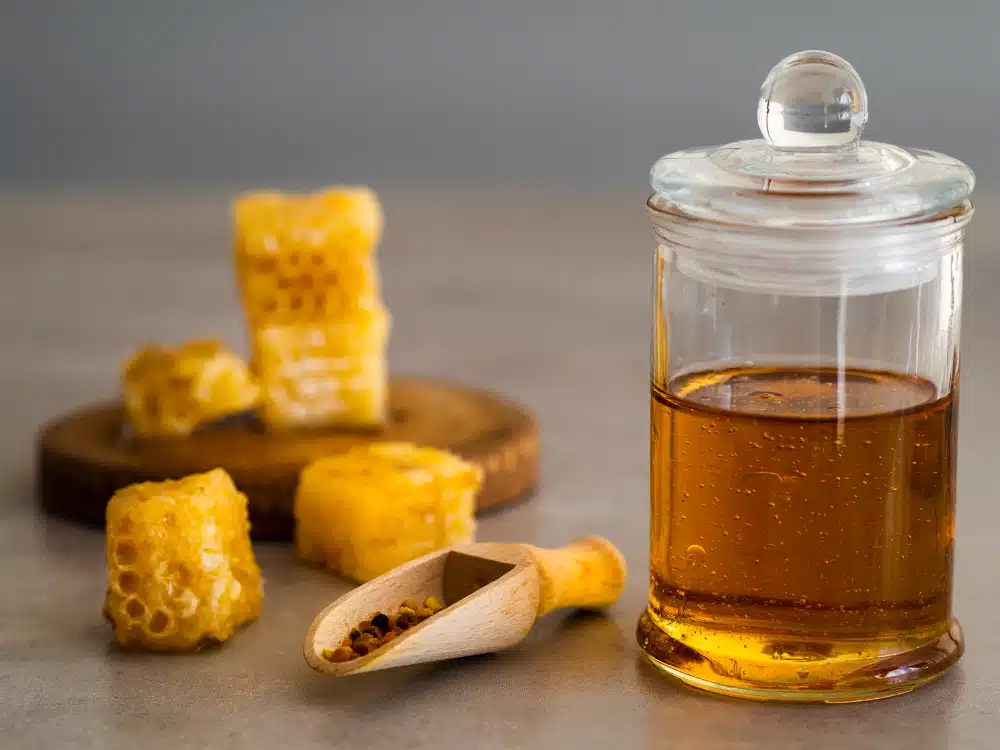
Honey is a natural sweetener produced by honeybees from the nectar of flowers. It’s one of the oldest sweeteners in human history and prized for its flavor, antioxidants, and antibacterial properties.
How Honey Is Made
- Bees collect nectar from flowering plants.
- The nectar is stored and broken down by enzymes in the hive.
- The liquid thickens and transforms into honey through evaporation.
Key Nutritional Facts (per tablespoon):
- Calories: ~64
- Carbohydrates: 17g
- Sugar: 17g
- Glycemic Index: 50–60
Honey also contains small amounts of vitamins, minerals, and antioxidants — especially darker varieties like buckwheat honey.
What Is Agave Syrup?
Agave syrup, also known as agave nectar, is a sweetener derived from the blue agave plant, the same plant used to make tequila. It’s popular among vegans and health-conscious eaters as a honey alternative and even an agave syrup substitute for refined sugar.
How Agave Syrup Is Made
- The sap is extracted from the agave plant.
- It’s filtered and heated to break down carbohydrates into fructose.
- The result is a smooth, light syrup that’s sweeter than sugar.
Nutritional Facts (per tablespoon):
- Calories: ~60
- Carbohydrates: 16g
- Sugar: 16g
- Glycemic Index: 15–30
Because agave syrup is lower on the glycemic index, it’s often marketed as a diabetes-friendly sweetener. However, it’s also high in fructose, so moderation is key.
Taste and Cooking Differences
Honey
- Warm, floral, sometimes fruity flavor
- Thick texture
- Ideal for baking, marinades, and tea
Agave Syrup
- Mild, neutral sweetness
- Thinner consistency
- Dissolves easily in cold beverages
Agave Syrup Substitute Options
If you run out of agave syrup or prefer a different flavor profile, try:
- Maple syrup – similar sweetness and consistency
- Honey – closest natural replacement
- Date syrup – thicker and rich in minerals
- Brown rice syrup – less sweet but adds depth
- Coconut nectar – vegan and low glycemic
💡 Tip: Substitute agave syrup with honey or maple syrup in a 1:1 ratio for most recipes.
Health Benefits and Considerations
Honey Benefits:
- Antibacterial and anti-inflammatory
- Soothes sore throats
- Supports gut health with enzymes
Agave Syrup Benefits:
- Vegan-friendly
- Low glycemic index
- Smooth texture ideal for cold drinks
Caution:
While both are “natural,” they’re still added sugars. For a lower-sugar lifestyle, consider a healthier agave syrup substitute like monk fruit syrup or stevia blends.
When to Use Honey vs. Agave (Step-by-Step Guide)
1. For Baking
- Use honey for chewy, rich textures (cookies, muffins).
- Use agave syrup for lighter desserts or vegan recipes.
- Agave syrup substitute: Maple syrup or coconut nectar.
2. For Beverages
- Use agave syrup in smoothies or iced coffee — it dissolves fast.
- Honey works better in warm drinks like tea or hot lemon water.
- If you don’t have agave, use an agave syrup substitute like simple syrup.
3. For Dressings & Sauces
- Honey adds body and flavor depth.
- Agave syrup keeps flavors light and neutral.
- Try a date syrup or coconut nectar as an agave syrup substitute.
Practical Tips for Using Agave and Honey
- Store both in a cool, dry place.
- Use less agave syrup — it’s 25% sweeter than sugar.
- Avoid heating agave at high temperatures — it can lose nutrients.
- For vegan diets, choose agave syrup or a vegan agave syrup substitute like coconut nectar.
FAQ: Honey vs. Agave & Agave Syrup Substitutes
1. Is agave syrup healthier than honey?
Not necessarily. Agave syrup has a lower glycemic index but higher fructose content. Honey, on the other hand, provides antioxidants and enzymes. Moderation is key for both.
2. What’s the best agave syrup substitute for baking?
Maple syrup is the best agave syrup substitute — it provides a similar texture and sweetness. You can also try honey or date syrup for richer flavor.
3. Can I replace honey with agave syrup?
Yes, substitute agave syrup for honey in a 1:1 ratio for most recipes. Adjust flavor depending on your taste.
4. Is agave syrup vegan-friendly?
Yes, agave syrup is 100% plant-based, making it perfect for vegan diets. If unavailable, coconut nectar is a great agave syrup substitute.
5. Does agave syrup raise blood sugar?
It has a lower glycemic index than honey or sugar, meaning it causes a slower blood sugar rise. However, its high fructose content can impact liver health if overused.
6. Can I make my own agave syrup substitute at home?
Absolutely! Mix 1 cup sugar + 1/3 cup water to make simple syrup, or use blended dates with water for a natural, homemade agave syrup substitute.
Conclusion: Choosing Between Honey, Agave, and Substitutes
When comparing honey vs. agave, the best choice depends on your health goals and taste preferences.
- Choose honey for its antioxidants and bold flavor.
- Choose agave syrup for its smooth texture and vegan quality.
- Use an agave syrup substitute (like maple syrup or date syrup) for flexibility in your recipes.
No matter which you pick, the key is moderation — even natural sweeteners are still sugar.
Start experimenting with both to find your favorite balance between flavor and nutrition.