

Popcorn is one of those snacks that sparks debate: is skinny popcorn good for weight loss, or is it just another processed snack with clever marketing? Surprisingly, when chosen wisely,popcorn—or simply air-popped popcorn—can support weight management thanks to its fiber, volume, and low-calorie density.
In this article, we’ll break down skinny popcorn’s nutritional profile, its role in a weight-loss diet, and practical tips for enjoying it without sabotaging your progress.
What Makes Skinny Popcorn Unique?
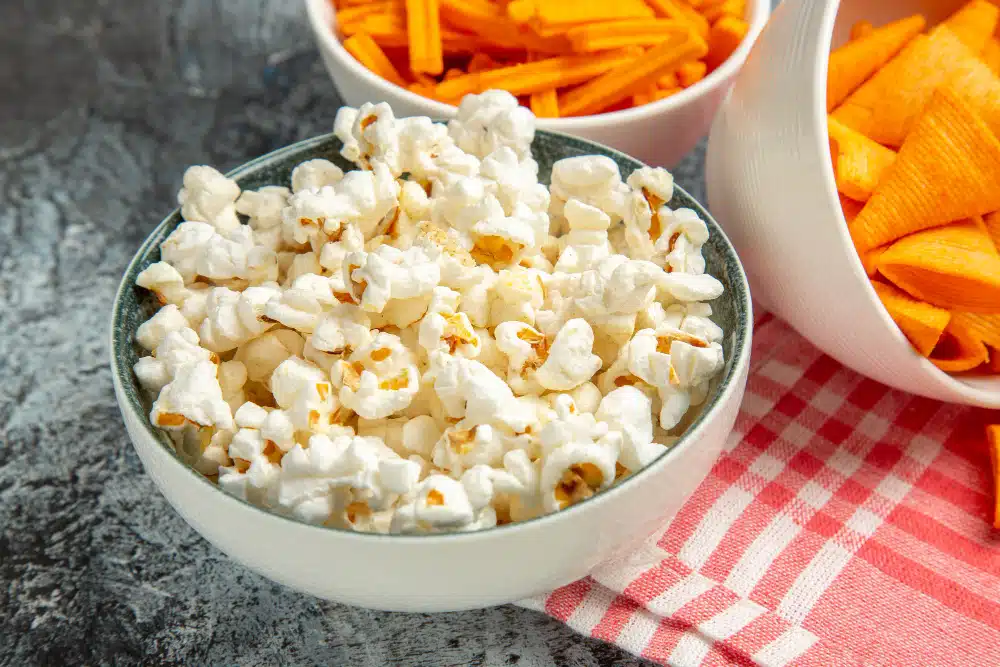
Skinny popcorn refers to popcorn prepared in a lighter way—usually air-popped or packaged with reduced oil and fewer additives. Brands like SkinnyPop Popcorn have popularized this concept, but homemade air-popped versions also qualify.
Nutritional Profile of Popcorn (per 3-cup serving):
- Calories: ~90
- Carbohydrates: 19 g
- Fiber: 3.5 g
- Protein: 3 g
- Fat: 1 g
- Sugar: 0 g
👉 Compared to chips or pretzels, skinny popcorn offers more volume for fewer calories, making it a satisfying snack for dieters.
Why Skinny Popcorn Can Support Weight Loss
1. High in Fiber
Popcorn contains about 3–4 grams of fiber per serving, which helps with fullness, digestion, and appetite control.
2. Low Calorie Density
Because popcorn puffs up in volume, you can eat more of it without consuming too many calories.
3. Whole-Grain Benefits
As a whole grain, popcorn contributes nutrients and long-term benefits beyond just being a snack.
4. Better Than Processed Snacks
Replacing chips, cookies, or candy with popcorn can save hundreds of calories over time.
When Skinny Popcorn Isn’t Healthy
Not all popcorn is created equal. Packaged versions can still hide pitfalls:
- Flavored popcorn (white cheddar, kettle corn, etc.): Often higher in sodium, sugar, or oil.
- Portion creep: Eating directly from a family-size bag can lead to overeating.
- Add-ons: Butter, caramel, or chocolate toppings turn popcorn into a high-calorie snack.
Step-by-Step Guide
Step 1: Pick the Right Type
- Best option: Air-popped at home with minimal oil.
- Good packaged option: Plain SkinnyPop Popcorn or lightly salted varieties.
Step 2: Add Smart Flavor
Instead of butter and sugar, season popcorn with:
- Nutritional yeast
- Chili powder, paprika, or garlic powder
- Cinnamon and stevia for a sweet twist
Step 3: Portion Control
Stick to about 3 cups of skinny popcorn as a serving. Pre-portion into bags or bowls to avoid over-snacking.
Step 4: Pair With Protein
Combine skinny popcorn with protein for a balanced snack:
- S.popcorn + handful of almonds
- S.popcorn + Greek yogurt
- S.popcorn + a protein shake
Tips for Eating Skinny on a Weight-Loss Plan
- Pre-portion: Divide skinny popcorn into snack bags.
- DIY versions: Make it at home for full control of oil and salt.
- Spray oils: Use olive oil spray lightly instead of pouring.
- Mindful snacking: Eat skinny slowly to maximize satisfaction.
- Best timing: Use it as an afternoon or evening snack to fight cravings.
FAQs
1. Is skinny popcorn good for weight loss at night?
Yes—when eaten in moderation. A small bowl of popcorn is far better than chips or ice cream before bed.
2. How much popcorn can I eat a day to lose weight?
Stick to 2–3 cups per serving. Eating entire family-size bags of SkinnyPop won’t support weight loss.
3. Is popcorn healthier than chips?
Definitely. Skinny popcorn has fewer calories, more fiber, and greater volume per serving than chips.
4. Does skinny popcorn cause bloating?
For some people, yes—its fiber content can cause bloating if you’re not used to high-fiber foods.
5. Is microwave popcorn healthy?
Plain microwave versions are fine, but flavored ones with butter or caramel are less diet-friendly.
6. What is the best way to season popcorn for weight loss?
Try spices, nutritional yeast, or a light olive oil spray instead of butter and sugar.
Conclusion: Should You Eat Skinny Popcorn for Weight Loss?
So, is skinny popcorn good for weight loss? The answer is yes—when it’s air-popped or lightly seasoned. Skinny popcorn is a fiber-rich, low-calorie, whole-grain snack that satisfies cravings without blowing your calorie budget.
But remember, not all skinny popcorn is equal. Some packaged varieties still add oil, sugar, or flavorings that undermine your goals. The healthiest option is to make your own or stick with plain versions, keeping portions in check.