

Introduction
Sparkling Water, Seltzer, Soda Water, Club Soda vs Tonic Water and Mineral Water — lorsque vous entrez dans un supermarché ou que vous parcourez un menu au restaurant, ces options pétillantes s’affichent souvent côte à côte. À première vue, elles paraissent identiques : rafraîchissantes et pleines de bulles. Pourtant, chacune de ces boissons gazeuses possède ses propres caractéristiques en termes de goût, d’ingrédients et d’usages.
Understanding these differences matters not only for your taste preferences but also for health and culinary uses. In this comprehensive guide, we’ll break down sparkling water vs seltzer vs soda water vs club soda vs tonic water vs mineral water, explain their origins, and provide practical tips for choosing the right bubbly for your lifestyle.
Sparkling Water: Naturally Effervescent Refreshment
Sparkling water is simply water infused with natural carbonation from underground springs or artificially carbonated. Popular brands include Perrier and San Pellegrino.
Key Features of Sparkling Water:
- Naturally carbonated (sometimes enhanced with added CO₂).
- Crisp, refreshing taste.
- Usually contains minerals depending on the source.
- Zero calories and sugar-free.
Best Use:
Perfect for everyday hydration, replacing sodas, or enjoying with a slice of lemon or lime.
Seltzer Water: The Simple Bubbly Alternative
Seltzer water is plain water with added carbon dioxide, making it artificially carbonated. Unlike mineral water, it doesn’t contain natural minerals unless added for flavor.
Key Features of Seltzer:
- Artificially carbonated.
- Very neutral taste.
- Often used as a mixer in cocktails.
- Available in flavored varieties (unsweetened).
Best Use:
Ideal for cocktails, mocktails, or a calorie-free soda replacement.
Soda Water: A Historical Term with Overlaps
Soda water is an older term, often used interchangeably with seltzer or club soda. It originally referred to water infused with sodium bicarbonate (baking soda) for a slightly salty taste.
Key Features of Soda Water:
- May contain sodium compounds.
- Carbonated artificially.
- Can taste slightly salty or mineral-like.
Best Use:
Mostly historical or regional terminology; think of it as close to club soda.
Club Soda: Bubbly Water with a Mineral Twist
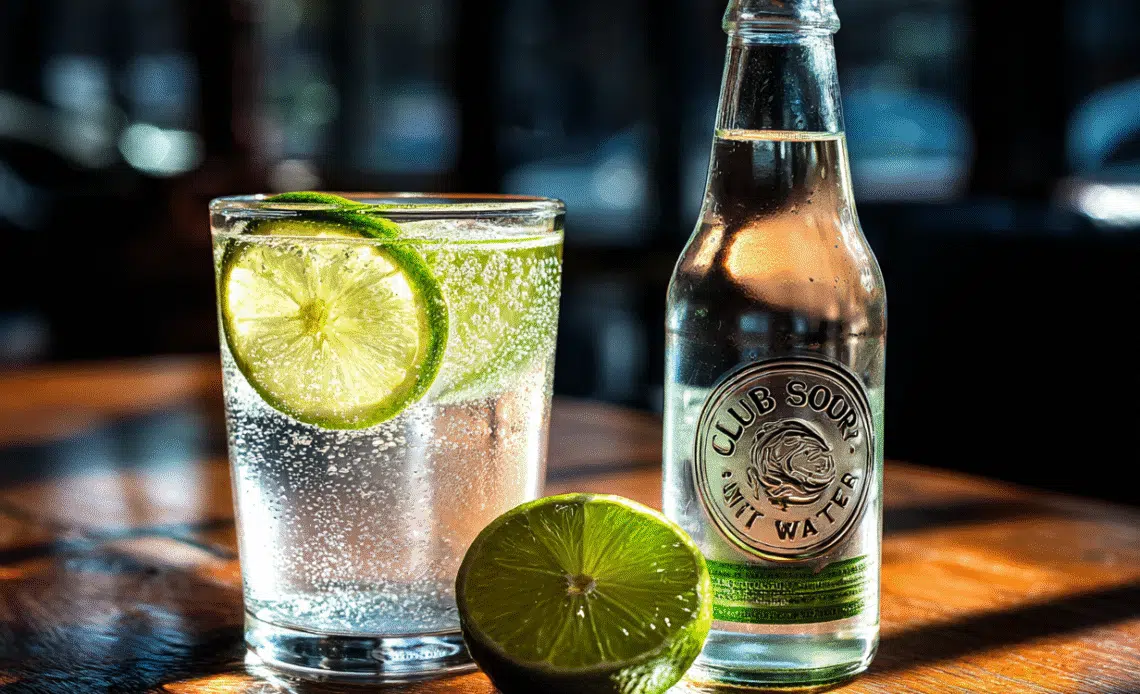
Club soda is similar to seltzer but with added minerals like sodium bicarbonate, potassium sulfate, or sodium chloride to enhance flavor.
Key Features of Club Soda:
- Artificially carbonated.
- Contains added minerals.
- Slightly salty taste.
- Great for cocktails (Mojito, Tom Collins).
Best Use:
Perfect for mixing in cocktails or mocktails where a touch of minerality enhances flavor.
Mineral Water: Nature’s Sparkling Gift
Mineral water comes from underground reservoirs and springs and contains naturally occurring minerals like calcium, magnesium, and sodium. Some are naturally sparkling; others have carbonation added.
Key Features of Mineral Water:
- Naturally sourced.
- Rich in minerals.
- Can be flat or sparkling.
- Unique taste depending on source.
Best Use:
Best enjoyed on its own, chilled. Also pairs well with meals for an elevated dining experience.
Tonic Water: The Bitter Outlier
Tonic water is not just sparkling water—it contains quinine, which gives it a bitter taste, plus added sugar or sweeteners. It was historically used to prevent malaria.
Key Features of Tonic Water:
- Carbonated with added quinine.
- Bitter flavor profile.
- Contains sugar or sweeteners.
- Famous in cocktails like Gin and Tonic.
Best Use:
Cocktails and mocktails where bitterness and complexity are desired.
Practical Tips: How to Choose the Right Carbonated Drink
- For Hydration: Choose sparkling water or mineral water (no sugar, refreshing).
- For Cocktails: Opt for club soda (minerals enhance drinks) or seltzer (neutral).
- For Flavor Experiments: Try flavored seltzers or mineral waters.
- To Avoid Hidden Sugars: Skip tonic water unless using sparingly in cocktails.
- For Digestive Support: Mineral water with magnesium can aid digestion.
Step-by-Step Guide: Making Healthier Carbonated Drink Choices
- Read the label – Check for sugar, sodium, or artificial additives.
- Know your goal – Hydration, taste, or cocktail mixing?
- Experiment – Try different brands; mineral content changes flavor.
- Make your own – Use a soda maker for customizable seltzer.
- Enhance naturally – Add lemon, lime, cucumber, or herbs for flavor.
FAQs About Sparkling, Seltzer, Club Soda vs Tonic Water
1. Is sparkling water healthier than soda?
Yes. Sparkling water contains no sugar or calories, unlike soda, which is often loaded with added sugar and artificial ingredients.
2. Can seltzer water replace regular water?
Yes, as long as it’s plain and unsweetened. However, it’s best to also include flat water in your hydration routine.
3. What’s the difference between club soda and seltzer water?
Club soda contains added minerals for flavor, while seltzer is plain carbonated water with no minerals.
4. Is tonic water good for you?
Not really—it contains added sugar and calories. It’s fine in moderation, especially in cocktails, but shouldn’t be your main source of hydration.
5. Does sparkling water damage teeth?
Sparkling water is slightly acidic due to carbonation, but it’s far less harmful than sugary sodas. Rinsing with plain water afterward helps protect your teeth.
6. Is mineral water better than regular water?
Mineral water provides added minerals like magnesium and calcium, which can benefit health. However, both are great for hydration.
Conclusion
While they may all sparkle, Sparkling Water, Seltzer, Soda Water, Club Soda vs Tonic Water and Mineral Water each bring something unique to the table. From naturally effervescent mineral water to the cocktail-essential tonic, choosing the right one depends on your taste, health goals, and lifestyle.
If you’re aiming for better hydration and fewer sugars, sparkling water and mineral water are your best friends. For cocktails, go with club soda or seltzer. And if you crave complexity, tonic water has its place—but with moderation.