
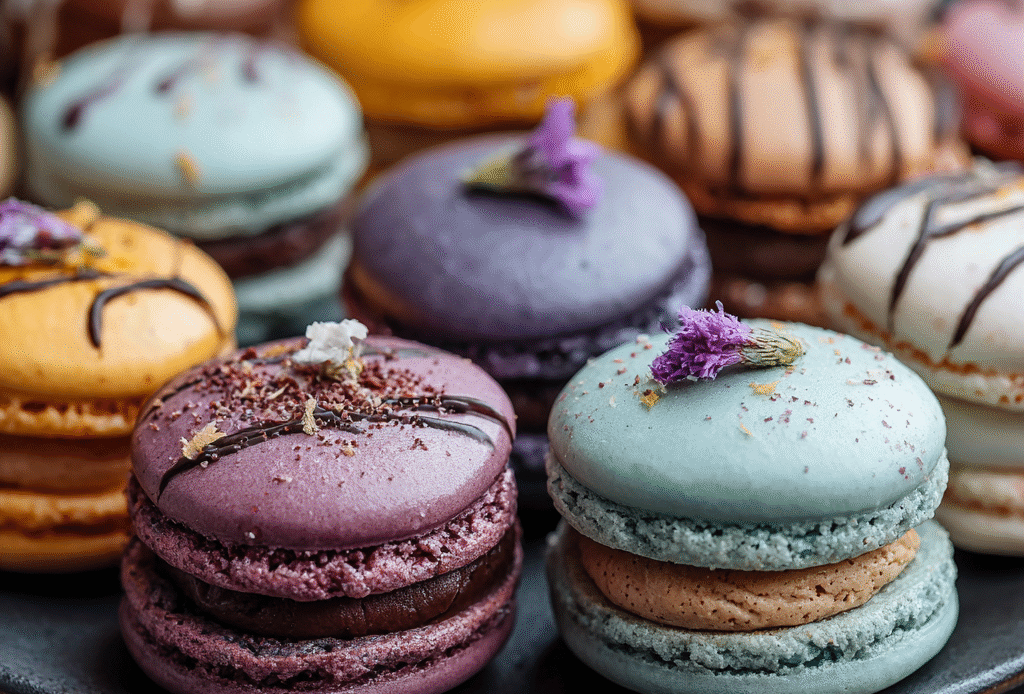
At Sugar Detox Lab, we believe that the most rewarding baking projects are the ones that challenge us, teach us, and ultimately delight us. And few confections are as simultaneously intimidating and rewarding as the macaron. These delicate French cookies—with their crisp shells, chewy interiors, and endless flavor possibilities—have a reputation for being finicky. But with patience, precision, and a little practice, they’re absolutely achievable at home. Our Macarons recipe and guide will walk you through every step, from properly aged egg whites to the perfect macaronage technique. Whether you’re a first-timer or a seasoned baker looking to refine your skills, this guide will help you create beautiful, delicious macarons that rival any Parisian patisserie.
What Are Macarons and Why This Mindful Approach Matters
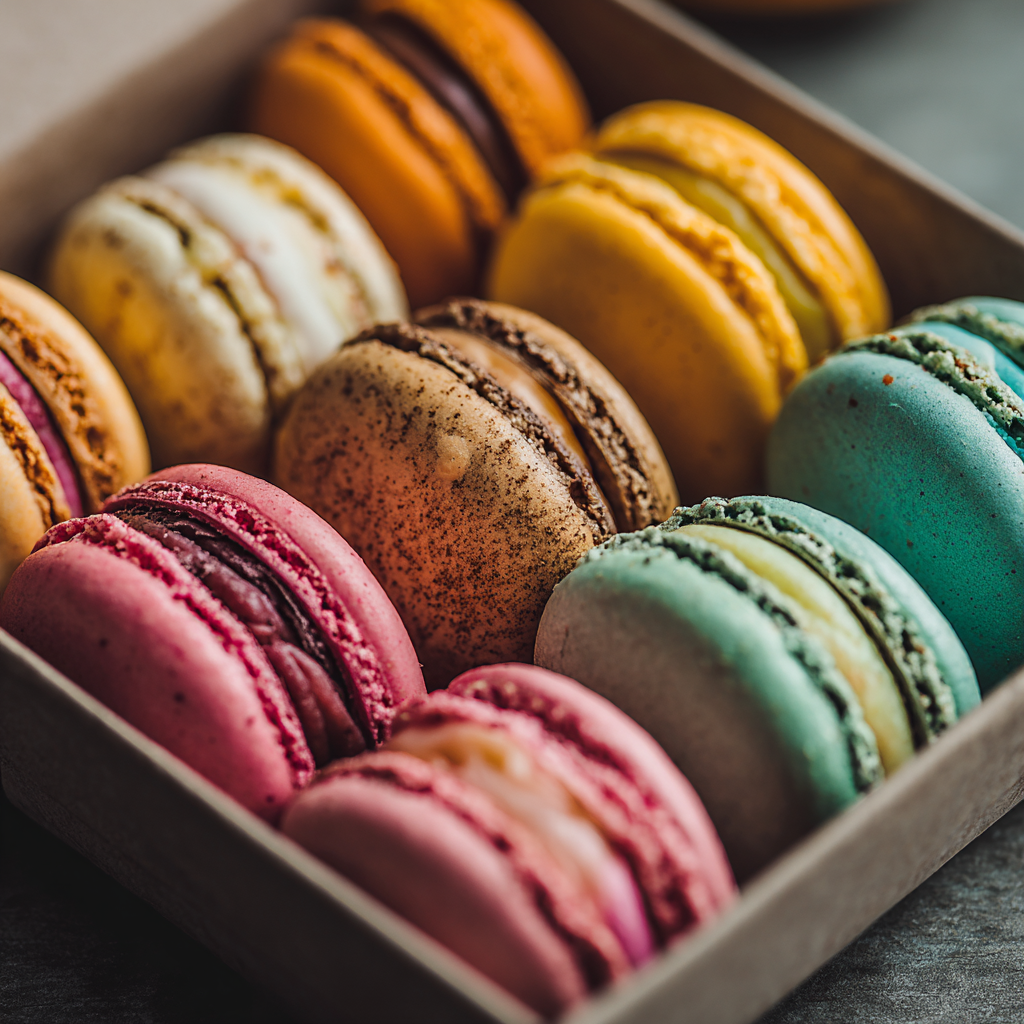
Macarons are delicate French cookies made from almond flour, egg whites, and sugar, sandwiched together with a flavorful filling. They’re known for their smooth, domed tops, ruffled “feet” around the base, and a slightly chewy interior. Despite their elegant appearance, they’re made from just a few simple ingredients—the magic lies in the technique.
Our Macarons recipe honors this classic French confection while providing clear, detailed guidance to help you succeed. We break down each step, from properly measuring your ingredients to mastering the figure-eight test for macaronage. We also offer options for fillings—buttercream, ganache, or jam—so you can customize your macarons to your taste.
This mindful approach matters because it demonstrates that even the most challenging recipes are achievable with patience and attention to detail. These Macarons contain no artificial flavors or preservatives, and by making them at home, you control the quality of every ingredient. They’re a labor of love, meant to be shared and savored.
A Realistic Look at Ingredients and Their Place in a Balanced Life
Let’s explore the nutritional story behind each component of these elegant French cookies:
- Almond Flour: The nutty, protein-rich foundation. Almond flour is made from finely ground blanched almonds. It’s naturally gluten-free and provides healthy fats, protein, and vitamin E. Using high-quality, finely ground almond flour is essential for smooth macaron shells. You can learn more about the production and uses of almond flour on Wikipedia.
- Powdered Sugar: Provides sweetness and structure. Powdered sugar (also called confectioners’ sugar) dissolves easily and contributes to the smooth texture of the shells.
- Egg Whites: The structural backbone. Egg whites provide the protein that creates the meringue, giving macarons their signature rise and feet. Using room temperature egg whites that have been aged (separated and left in the refrigerator for 2-3 days) can improve results. You can explore the science of egg whites on Wikipedia.
- Granulated Sugar: Stabilizes the meringue and adds sweetness. Adding it gradually to the whipping egg whites creates a stable, glossy meringue.
- Food Coloring (Optional): For colored macarons, gel food coloring is preferred because it adds color without adding excess liquid.
- Fillings: Buttercream, ganache, or jam all work beautifully. Each adds its own character—buttercream is light and fluffy, ganache is rich and decadent, jam adds fruity brightness.
This recipe is naturally gluten-free (with almond flour) and can be adapted to be dairy-free or vegan (see Notes). It’s a treat, but one made with real, recognizable ingredients.
Navigating the Challenges: Tips for Macaron Success
Macarons have a reputation for being difficult, but with attention to these key details, you can achieve beautiful results:
- Measure Ingredients by Weight: For macarons, precision matters. Use a kitchen scale to measure your ingredients in grams for the most accurate, consistent results.
- Use Aged Egg Whites: Separate your eggs and leave the whites in the refrigerator for 2-3 days, covered with a paper towel. This allows some moisture to evaporate, which can improve meringue stability.
- Bring Egg Whites to Room Temperature: Before whipping, let your aged egg whites come to room temperature. This helps them whip to maximum volume.
- Whip Meringue to Stiff Peaks: The meringue should be glossy and hold stiff peaks when the whisk is lifted. Under-whipped meringue can lead to flat, footless macarons.
- Master Macaronage: This is the technique of folding the dry ingredients into the meringue. The goal is to deflate the meringue just enough to create a lava-like consistency that flows slowly from the spatula. It should form a ribbon that disappears into itself after 10-15 seconds (the “figure-eight test”).
- Rest the Piped Shells: After piping, let the macarons sit at room temperature for 30-60 minutes until they develop a skin. They should be dry to the touch. This step is essential for forming feet.
- Use an Oven Thermometer: Oven temperatures can vary. An oven thermometer ensures you’re baking at the correct temperature.
Tips and Trends for Mindful Baking
The trend toward “patisserie-style baking at home” continues to grow, and these Macarons are a perfect example. Home bakers are increasingly taking on challenging projects, finding joy in the process and satisfaction in mastering difficult techniques.
Another significant trend is the appreciation for naturally gluten-free desserts. Macarons, made with almond flour, are naturally gluten-free and offer a sophisticated option for those with dietary restrictions.
AI-powered meal planning tools can help you organize your baking projects. Apps like Yummly or Paprika allow you to save this recipe, generate shopping lists, and even set timers for each step of this multi-stage process.
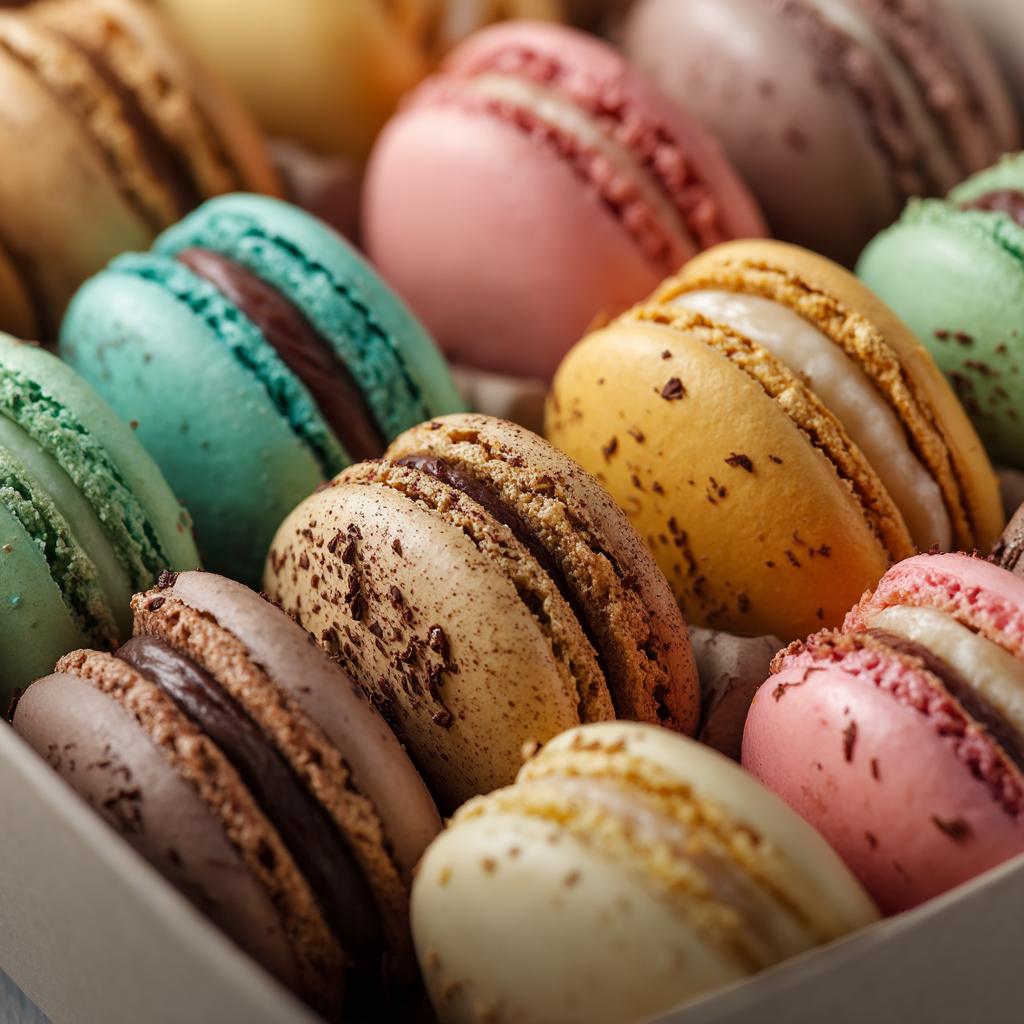
The growing interest in “food as art” makes macarons particularly appealing. Their beautiful colors and perfect shapes are as much a visual delight as a culinary one.
Frequently Asked Questions (FAQ)
Question: My macarons have no feet. What went wrong?
Answer: Lack of feet is usually caused by undermixed batter (too stiff) or not resting the shells long enough to develop a skin. Ensure your batter flows like lava and your shells are dry to the touch before baking.
Question: My macarons are hollow inside. What happened?
Answer: Hollow shells can result from overmixed batter, meringue that wasn’t stiff enough, or oven temperature that’s too low. Try whipping your meringue to stiffer peaks and verify your oven temperature with an oven thermometer.
Question: Can I use a different nut flour?
Answer: Almond flour is traditional, but you can experiment with other nut flours like pistachio or hazelnut. Note that different nuts have different fat contents, which will affect the texture.
Question: How long do macarons last?
Answer: Unfilled shells can be stored in an airtight container for up to 2 days or frozen for up to 2 months. Filled macarons are best within 3-5 days when refrigerated. Always bring to room temperature before serving.
Question: Can I freeze macarons?
Answer: Yes! Unfilled shells freeze beautifully. Layer them in an airtight container with parchment between layers. Filled macarons can also be frozen for up to a month. Thaw in the refrigerator overnight.
Question: Why did my macarons crack on top?
Answer: Cracking usually means the oven temperature is too high or the shells weren’t rested long enough. Ensure your oven is at the correct temperature and your shells have developed a proper skin before baking.
Conclusion
These Macarons are proof that the most challenging baking projects can also be the most rewarding. With patience, precision, and practice, you can create these elegant French cookies in your own kitchen. The crisp shells, the chewy interiors, the endless flavor possibilities—they’re a labor of love that’s absolutely worth the effort.
We encourage you to take on this project, learn from any mistakes, and savor the sweet success of your first (or fiftieth) batch of homemade macarons. Share them with people you love, and enjoy the impressed smiles they’ll bring.
For more recipes that help you create beautiful, challenging treats with intention, explore our full collection at SugarDetoxLab.com. Did you try these macarons? We’d love to hear about your experience in the comments below!