
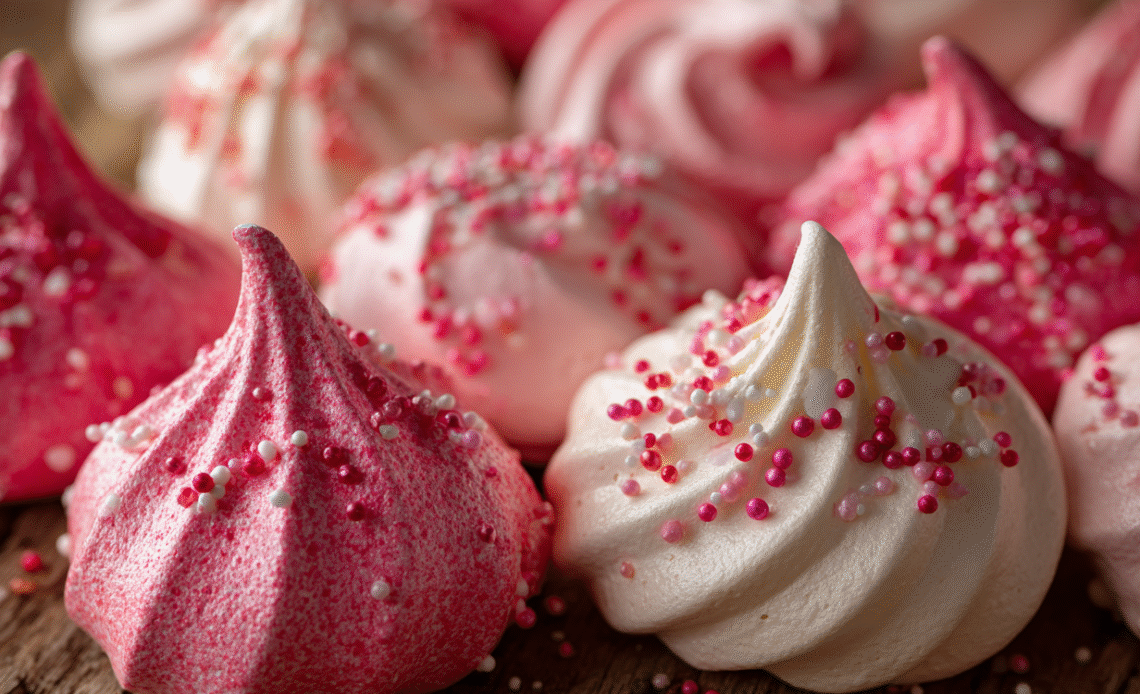
At Sugar Detox Lab, we believe that the sweetest expressions of love often come in the simplest packages. Valentines Day invites us to slow down, create something beautiful, and share it with those we cherish. But for those navigating a sugar-conscious lifestyle, the holiday’s signature confections can feel like a minefield of refined sugars and empty calories. What if we told you there is a classic dessert that is naturally fat-free, surprisingly low in calories, and absolutely enchanting in its simplicity? Our Valentines Day Meringue Kisses are exactly that. These ethereal, cloud-like confections melt on the tongue like a whispered secret.
What Are Valentines Day Meringue Kisses and Why This Mindful Approach Matters
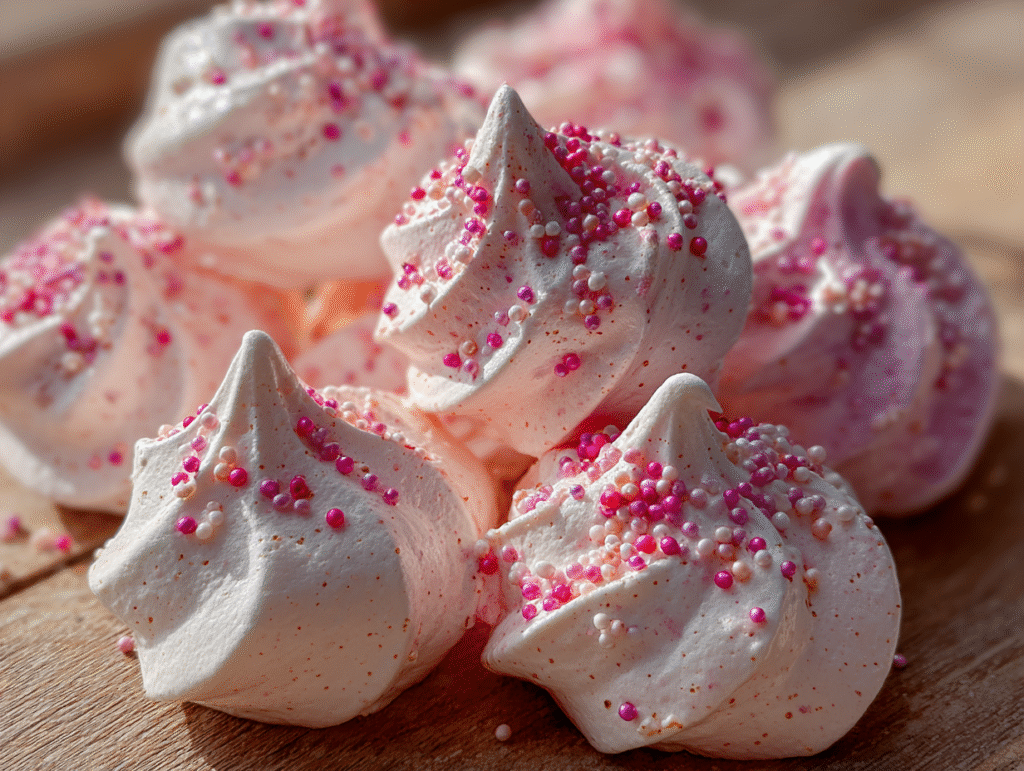
Traditional meringue kisses are a testament to the magic of baking—humble egg whites and sugar, transformed through whipping and gentle heat into something light, crisp, and utterly delightful. Our Valentines Day Meringue Kisses honor this classic French technique while introducing a framework of mindful, intentional celebration. By shaping them into delicate kiss-like swirls and tinting them with soft shades of pink and red, we create a confection that is unmistakably made for Valentines Day.
This mindful approach matters because meringue, at its core, offers unique advantages for the health-conscious baker. Unlike butter-laden cookies or cream-heavy desserts, meringue is naturally fat-free and cholesterol-free. A single kiss contains a fraction of the calories of traditional Valentines candies. The primary ingredient is sugar, yes—but we approach this with transparency and provide clear, tested guidance for reducing it or substituting with alternative sweeteners. These Valentines Day Meringue Kisses are not an everyday snack; they are a celebration of love, crafted with care, gifted with intention, and savored slowly. Each tiny kiss is a complete portion, naturally portion-controlled by its very form.
A Realistic Look at Ingredients and Mindful Adaptations
This recipe’s beauty lies in its simplicity. Here is what each component contributes, along with opportunities for mindful adaptation:
- Egg Whites: The structural backbone of meringue. As they whip, egg whites unfold and trap air, creating the network that gives meringue its signature volume and texture. They are pure protein, containing no fat or cholesterol.
- Granulated Sugar: More than just sweetener, sugar stabilizes the egg white foam and creates the crisp, delicate structure of baked meringue. It dissolves into the whites during whipping, and as the meringue bakes, the sugar caramelizes slightly, contributing to the signature texture and sheen. For context on how different sweeteners affect the body, the concept of the glycemic index is helpful. We offer a lower-sugar adaptation using alternative sweeteners below.
- Cream of Tartar: This acidic powder stabilizes the egg white foam, increasing its volume and helping it hold its structure. It also helps prevent the meringue from weeping or becoming grainy. If you don’t have it, a few drops of lemon juice or white vinegar can substitute.
- Vanilla Extract: Pure vanilla adds warmth and complexity. Avoid imitation vanilla, which can have an artificial aftertaste in such a simple recipe.
- Gel Food Coloring: This is optional and purely cosmetic. Gel colors are preferred over liquid as they don’t add excess moisture that could destabilize the meringue. Natural alternatives like beet powder or freeze-dried fruit powder can be used.
This recipe is naturally gluten-free, dairy-free, fat-free, and cholesterol-free. It is vegetarian but not vegan due to the egg whites. It is not keto, paleo, or sugar-free in its standard form, but we provide a clear pathway for a lower-sugar adaptation using allulose or monk fruit.
Navigating the Challenges: Tips for Meringue Success
Meringue is famously temperamental, but with attention to these critical details, you will achieve perfect, stable, glossy kisses every time:
- A Spotlessly Clean Bowl Is Essential: Any trace of fat or grease will prevent egg whites from whipping to full volume. Wash your bowl and whisk attachment with hot, soapy water, then wipe them with vinegar or lemon juice to ensure they are completely grease-free.
- Room Temperature Egg Whites: Cold egg whites whip to a smaller volume than warm ones. Separate your eggs when cold (easier to separate without breaking yolks), then allow the whites to sit at room temperature for 30-60 minutes before whipping.
- No Yolk, Not Even a Speck: Fat from egg yolk will sabotage your meringue. Separate each egg over a small bowl first, then transfer the pristine white to your main bowl. If a yolk breaks, save that egg for another use.
- Add Sugar Slowly: This is the most important technique. Add the sugar one tablespoon at a time, allowing each addition to dissolve fully before adding the next. Meringue should feel completely smooth between your fingers—no graininess. This can take 8-10 minutes with a stand mixer.
- Bake Low and Slow: Meringue kisses are not baked; they are dried. The low temperature slowly evaporates moisture while maintaining the pure white color (or delicate pastel tint) and creating the crisp interior.
- Humidity Is the Enemy: Meringue is hygroscopic, meaning it absorbs moisture from the air. Do not make these on rainy or humid days—they will become sticky and soft rather than crisp and dry.
Tips and Trends for Mindful Holiday Gifting
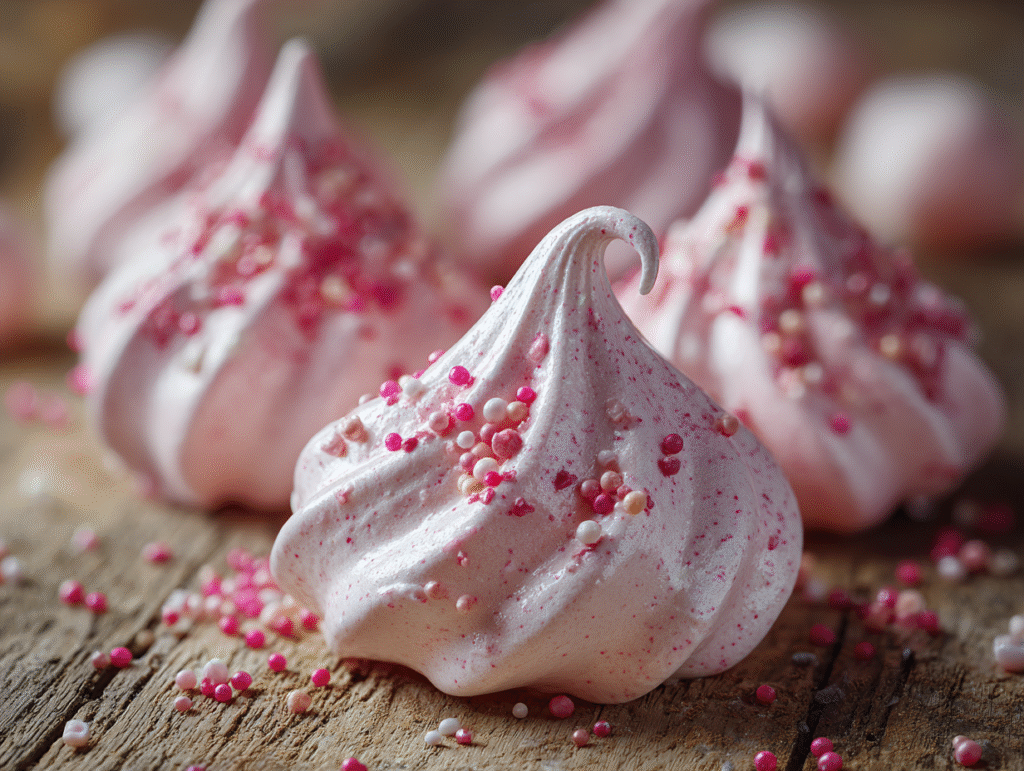
The trend toward “homemade edible gifts” continues to grow, and these Valentines Day Meringue Kisses are an ideal candidate. They are beautiful, shelf-stable, naturally portion-controlled, and convey genuine thoughtfulness. Package them in a clear cellophane bag tied with a pink ribbon, or arrange them in a small gift box lined with tissue paper. Another significant trend is the rise of alternative sweeteners that perform more like sugar in sensitive applications like meringue. Allulose, in particular, behaves remarkably similarly to sugar in meringue, caramelizing and creating a crisp texture with significantly fewer calories and a negligible impact on blood sugar.
Frequently Asked Questions (FAQ)
Question: My meringue kisses turned out sticky and chewy instead of crisp. What went wrong?
Answer: Sticky, chewy meringue is almost always the result of humidity. Either the weather was humid when you baked them, or they were not baked long enough to drive off all moisture. Ensure you’re baking on a dry day, and test one meringue by cooling it completely outside the oven—it should be crisp all the way through. If not, return them to the oven for additional time.
Question: Can I use liquid food coloring instead of gel?
Answer: We strongly recommend gel or paste food coloring. Liquid coloring adds extra moisture to the meringue, which can destabilize the foam and affect the texture and drying time. If liquid coloring is all you have, use just one or two drops and expect a longer bake time.
Question: Why did my meringue deflate or weep beads of sugar syrup?
Answer: Weeping (beads of sugar syrup on the baked meringue) or deflation usually indicates under-whipped meringue or sugar that wasn’t fully dissolved. The mixture should be thick, glossy, and completely smooth when rubbed between your fingers. If it feels grainy, continue whipping until the sugar dissolves completely.
Question: Can I make these without cream of tartar?
Answer: Yes. Cream of tartar is an acid that stabilizes the egg white foam. You can substitute with 1/2 teaspoon of lemon juice or white vinegar added when the eggs become foamy. The result will be very similar, though some bakers find the meringue slightly less stable.
Question: How far in advance can I make these for a Valentines Day party?
Answer: You can make meringue kisses up to 2 weeks in advance if stored properly. The key is absolutely airtight storage. Once completely cool, transfer them immediately to an airtight container with a tight-sealing lid. Add a food-safe silica gel packet to absorb any ambient moisture. Do not refrigerate or freeze.
Question: Can I use a sugar substitute to make these completely sugar-free?
Answer: This is challenging. Traditional sugar provides structure and stability that alternative sweeteners struggle to replicate. Our testing shows that replacing up to 50% of the sugar with powdered allulose or monk fruit works reasonably well. For a 100% sugar-free version, you would need a specially formulated meringue powder designed for keto diets; we do not recommend attempting 100% substitution with standard alternative sweeteners.
Conclusion
These Valentines Day Meringue Kisses are a testament to the beauty of simplicity. With just four core ingredients, patience, and a little love, you can create something ethereal, elegant, and utterly delightful. They honor the tradition of classic French confectionery while offering a dessert that is naturally fat-free, gluten-free, and surprisingly mindful. Each tiny kiss is a complete portion, a moment of sweetness to be savored slowly.
We encourage you to make these for someone you love—your partner, your friend, your child, or simply yourself. Package them beautifully, gift them with intention, and watch the recipient’s face light up at the care and thoughtfulness you’ve poured into each delicate swirl.
For more recipes that help you navigate life’s sweetest moments with balance and joy, explore our full collection at SugarDetoxLab.com. Did you try a lower-sugar version or a creative flavor variation? We’d love to hear about your experience—share your thoughts and adaptations in the comments below!