

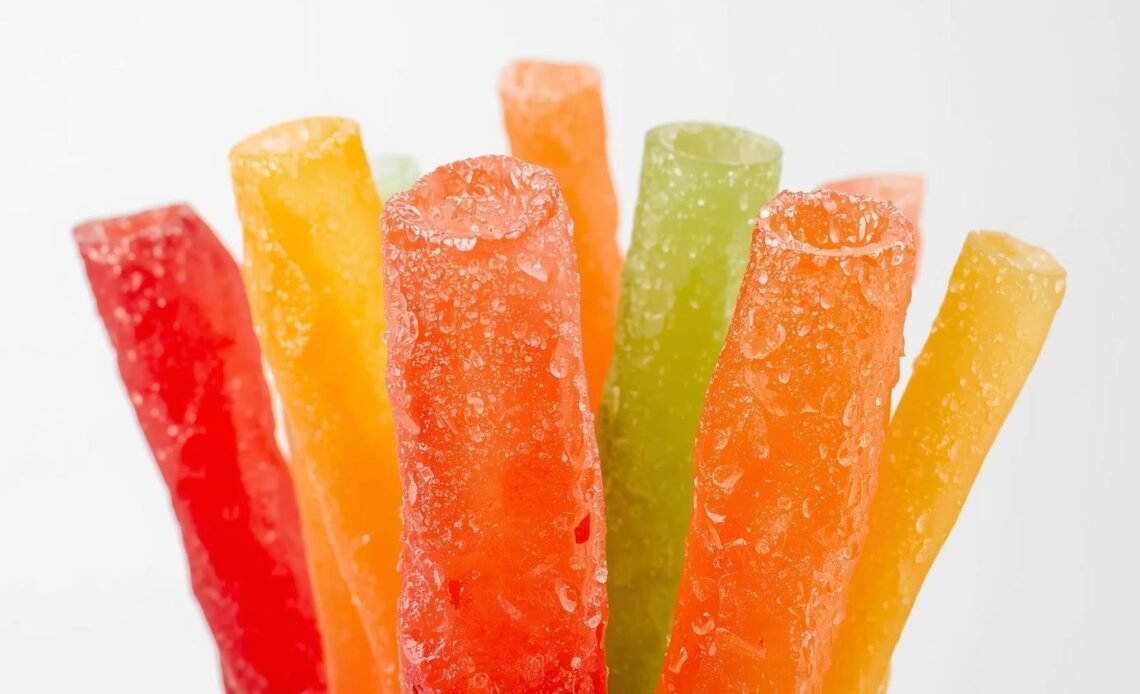
For many of us, Homemade Fruit Roll-Ups and fruit leathers are a cherished memory of childhood lunches—a sweet, chewy, brightly colored treat. Yet, a glance at the ingredients list of the store-bought version reveals a harsh truth: they are often more “flavored candy” than “fruit.” Packed with corn syrup, artificial colors, preservatives, and only a whisper of actual fruit, they represent the very processed food landscape we aim to navigate mindfully. Today, we’re taking back this classic snack with our 3 Ingredient Homemade Fruit Roll-Ups. This recipe is a revelation in simplicity, proving that with just real fruit and a little patience.
What Are Homemade Fruit Roll-Ups and Why Do They Matter?
A traditional fruit roll-up is a dried, pliable sheet of sweetened fruit puree. The commercial versions achieve their uniform texture, vibrant (often neon) colors, and long shelf life through industrial processes and a cocktail of additives like maltodextrin, citric acid, and artificial flavors. They are engineered for consistency and crave-ability, not nutrition.
Our 3 Ingredient Homemade Fruit Roll-Ups strip the concept back to its pure, edible origins. By starting with 4-6 cups of real fruit—be it strawberries, mango, peaches, or a berry blend—we ensure that fruit is the first and primary ingredient. The addition of a little lemon juice (for brightness and to aid preservation) and a modest amount of a natural sweetener like honey allows us to control the sugar content entirely. This version matters profoundly because it transforms a processed pantry item into a whole-food snack.
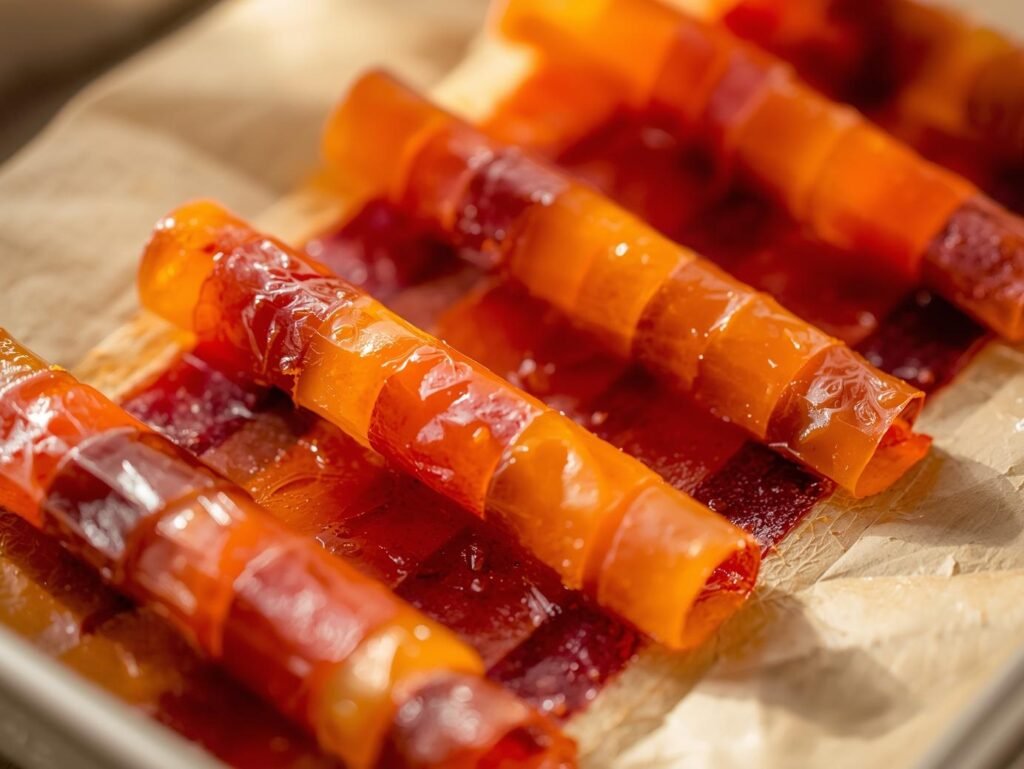
The Wholesome Benefits of This Simple Snack: Homemade Fruit Roll-Ups
The power of this Homemade Fruit Roll-Ups recipe lies in the quality and simplicity of its components:
- The Foundation: Real Fruit: Using fresh or frozen fruit is the cornerstone. Fruit provides essential vitamins (like Vitamin C from berries and citrus), minerals, dietary fiber, and a host of beneficial plant compounds like antioxidants. For example, berries are renowned for their antioxidant content, which helps combat oxidative stress in the body. You can learn more about the importance of these compounds on the Antioxidant Wikipedia page.
- Smart Sweetening: We use honey, a natural sweetener, but the quantity is far less than what you’d find in a commercial product. The inherent sweetness of ripe fruit often means you can use even less. For a completely sugar-free version, a monk fruit or allulose syrup can be used. This control is vital for managing overall sugar intake and understanding the real impact of foods on your body’s energy.
- The Functional Helper: Lemon Juice: Lemon juice adds a necessary touch of acidity, which balances the sweetness and enhances the fruit flavor. Crucially, its citric acid also helps inhibit browning and acts as a mild natural preservative.
- Dietary Flexibility: This recipe is naturally gluten-free, dairy-free, and grain-free. It is vegetarian, and can easily be made vegan by using agave nectar or maple syrup instead of honey. It fits beautifully into a clean-eating or whole-food lifestyle. While not keto due to the natural sugars in fruit, it is a far superior choice for anyone focusing on reducing processed sugars and additives.
Navigating the Process: Patience is Your Secret Ingredient
Making fruit leather is simple, but it is not fast. The primary “cooking” method is dehydration, which requires low, steady heat over several hours.
- The Thickness Challenge: The most common issue is spreading the puree too thick or too thin. The solution: Aim for a consistent 1/8-inch thickness. Too thick, and it will take forever to dry and might remain tacky in the center. Too thin, and it can become brittle and crack.
- Sticking Prevention: Ensuring your finished roll-ups can be peeled off the sheet is crucial. The solution: Lining your baking sheet with a silicone baking mat (like a Silpat) is the best, non-stick option. Parchment paper lightly brushed with oil works in a pinch, but avoid wax paper.
- Drying Time Variables: Drying time is not exact. It depends on your fruit’s water content (watermelon vs. apple), puree thickness, oven accuracy, and humidity. The solution: Look for a leathery, pliable texture that is no longer sticky to the touch. It should peel away cleanly from the mat.
- Avoiding Over-Sweetening: Remember, the flavor will concentrate as the water evaporates. The solution: Taste your puree before spreading—it should taste a touch too tart, as the sweetness will intensify once dried.
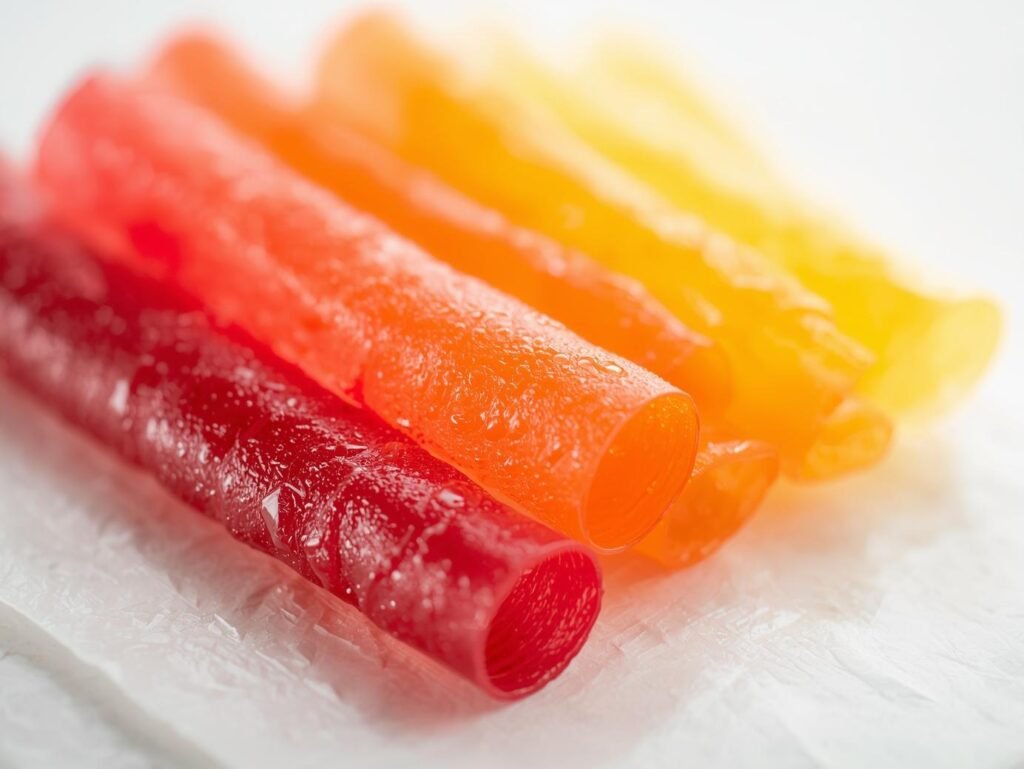
Tips and Trends for Mindful Food Crafting
Creating pantry staples like these 3 Ingredient Homemade Fruit Roll-Ups is a cornerstone of a proactive, real-food kitchen. AI meal planning apps can remind you to schedule a batch-making session when seasonal fruit is abundant and on sale. The trend towards “clean-label” snacks is all about this kind of DIY transparency. Investing in a simple food dehydrator can make this process even more energy-efficient and consistent, but your oven works perfectly well. This recipe embodies the empowering trend of knowing exactly what fuels your body.
Frequently Asked Questions (FAQ)
Question: Can I make these in a food dehydrator instead of an oven?
Answer: Absolutely. A dehydrator is the ideal tool. Follow the same steps for pureeing and spreading onto dehydrator trays lined with non-stick sheets. Dehydrate at 135°F (57°C) for 6-8 hours, or until pliable and dry to the touch.
Question: My fruit roll-ups are still sticky/tacky after 6 hours. What should I do?
Answer: This means they need more drying time. The humidity in your kitchen or the water content of your fruit can extend the time. Simply return them to the oven and check every 30 minutes until they are no longer sticky and peel away cleanly.
Question: Why did my fruit leather turn out brittle and crack?
Answer: Brittleness is a sign of over-drying or spreading the puree too thin. Next time, check for doneness a bit earlier and aim for that 1/8-inch thickness. You can repurpose brittle leather by breaking it into pieces to use as a tangy topping for yogurt or oatmeal.
Question: Can I use no sweetener at all?
Answer: You can, especially if you use very ripe, sweet fruit like mango or peaches. The lemon juice will still be needed for flavor balance and preservation. The result will be a more tart, adult-friendly leather.
Question: How do I prevent the edges from drying out much faster than the center?
Answer: Spread the puree as evenly as possible. If you notice the edges browning and drying out long before the center is done, you can carefully trim them off with scissors about halfway through the drying process to allow the center to continue dehydrating evenly.
Conclusion
These 3 Ingredient Homemade Fruit Roll-Ups are more than just a snack—they are a small act of food sovereignty. They reconnect us to the simple, wholesome origins of our food and give us complete control over what we consume. The process is meditative, the results are rewarding, and the taste is incomparably fresh and real.
We encourage you to embrace this simple project. Make a batch with seasonal berries in the summer, or with warming apples and cinnamon in the fall. Share them with kids to teach them about real food, or keep them for yourself as the perfect on-the-go sweet bite. For more recipes that help you confidently create healthier versions of the foods you love, continue exploring the full library here at Sugar Detox Lab.