


Welcome to Sugar Detox Lab, where we explore how to enjoy beloved foods in a way that aligns with wellness and dietary needs. For many, the journey toward mindful eating involves reimagining comfort foods, especially when navigating restrictions like gluten intolerance. The thought of giving up pastries, pies, and handheld savory treats can feel like a loss. But what if you could enjoy the flaky, golden crust and hearty filling of a traditional empanada without the gluten? Today, we’re bringing you a recipe for Gluten Free Empanadas that celebrates flavor, texture, and nourishment.
What Are Gluten Free Empanadas and Why Make Them?
Empanadas are a cherished staple across Latin American and Spanish cuisines, consisting of a folded pastry dough filled with a savory (or sometimes sweet) mixture, then baked or fried. The traditional dough is typically made with wheat flour, which contains gluten—the protein network that provides elasticity and structure, giving regular pastry its characteristic chew and flaky layers.
Our Gluten Free Empanadas re-create this experience using a thoughtfully formulated dough. For those with celiac disease, non-celiac gluten sensitivity, or anyone choosing to reduce gluten, this adaptation is essential. But beyond necessity, this version offers a unique opportunity for mindful eating. By crafting the dough yourself, you gain control over the quality of fats (like using real butter) and can avoid the preservatives and stabilizers often found in pre-made gluten-free products. This recipe matters because it transforms a potential dietary limitation into a creative kitchen project, resulting in a wholesome, satisfying food that everyone can enjoy.
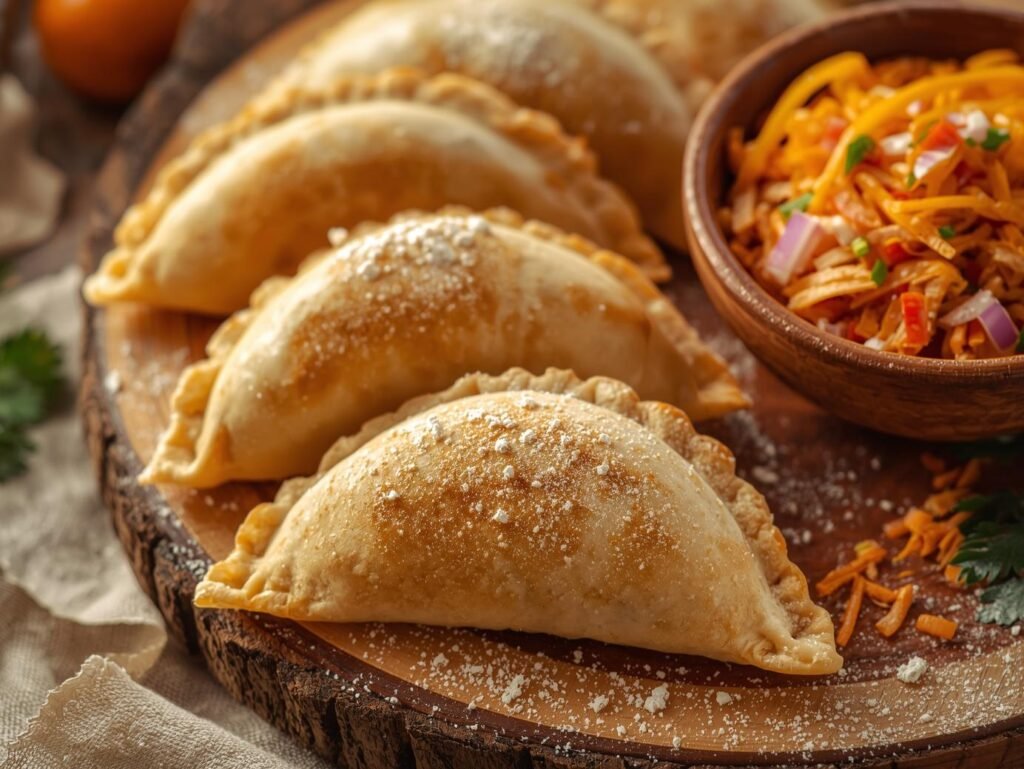
The Health Benefits of a Mindful Empanada
By deconstructing this recipe, we can appreciate how each component can contribute to a balanced meal:
- The Gluten-Free Flour Base: Using a quality gluten-free all-purpose flour blend is the foundation. Many blends are fortified with nutrients and incorporate whole-grain flours like brown rice, sorghum, or quinoa, which can offer more fiber and protein than refined wheat flour. This makes the dish accessible and gut-friendly for those who cannot tolerate gluten.
- Nutrient-Dense Fillings: The proposed chicken and vegetable filling is a powerhouse of nutrition. Lean chicken provides high-quality protein essential for muscle repair and satiety. Bell peppers and onions are rich in vitamins (like Vitamin C), antioxidants, and fiber. Adding spices like cumin not only enhances flavor but may also offer digestive benefits.
- Customization for Dietary Goals: This recipe is a perfect canvas. For a lower-carb version, you could experiment with almond or coconut flour blends. For a dairy-free option, use a plant-based butter and cheese. The filling can easily become vegetarian with black beans and sweet potatoes or vegan with plant-based proteins. By choosing your ingredients, you directly influence the glycemic load and nutritional profile of your meal.
Mastering the Gluten-Free Dough: Challenges and Pro Tips
Gluten-free baking presents unique challenges, as the absence of gluten affects texture and handling. Here’s how to ensure success:
- The Texture Challenge: Without gluten, dough can be crumbly and difficult to roll. The solution: Use a certified gluten-free flour blend that includes a binder like xanthan gum. The egg in our recipe also acts as a crucial binder, providing structure and pliability.
- Keeping it Cold: Just like traditional pastry, keeping the butter cold and using ice-cold water is vital for a flaky texture. When cold butter pieces melt in the oven, they release steam, creating those desirable layers. The solution: Work quickly, cube cold butter, and chill the dough thoroughly before rolling.
- Rolling and Shaping: The dough may be more fragile. The solution: Roll it out between two sheets of parchment paper to prevent sticking and tearing. If it cracks, simply patch it together—the dough is very forgiving.
- Sealing the Deal: A proper seal prevents filling leakage. Use an egg wash on the edges before folding and crimp firmly with a fork or your fingers.

Tips and Trends for Wholesome Cooking
Creating freezer-friendly staples like these Gluten Free Empanadas is a cornerstone of practical, healthy eating. AI-powered meal planning apps can help you schedule a batch-cooking day and incorporate these into your weekly lunch rotation. The trend toward “freezer-to-oven” homemade meals empowers you to control ingredients while saving time. Investing in a good rolling pin and a set of durable baking sheets are simple ways to make gluten-free baking more enjoyable and successful.
Frequently Asked Questions (FAQ)
Question: Can I make this dough ahead of time?
Answer: Yes, the dough disc can be wrapped tightly and refrigerated for up to 2 days before using. Let it sit at room temperature for 10-15 minutes to become pliable enough to roll.
Question: My gluten-free dough is too crumbly and keeps breaking. What can I do?
Answer: Gluten-free dough often needs more moisture than wheat dough. Add more ice water, a teaspoon at a time, until it just comes together. Also, rolling between parchment paper is essential—if it cracks, simply press it back together. It’s very forgiving.
Question: Can I make these empanadas vegan?
Answer: Yes, with a few substitutions. For the dough, use a plant-based butter and a “flax egg” (1 tbsp ground flaxseed mixed with 2.5 tbsp water) instead of the egg. For the filling, use a plant-based cheese and a vegan protein like seasoned lentils or black beans.
Question: Are baked or fried empanadas better?
Answer: This depends on your health goals and taste preference. Baking yields a slightly drier, flakier crust with less fat and is simpler for most home cooks. Frying creates a richer, more traditional texture with a crisp, blistered crust. Our recipe works beautifully for both methods.
Question: What’s the best way to reheat leftover empanadas?
Answer: To retain crispness, always reheat in an oven or toaster oven at 350°F for 10-15 minutes. The microwave will make the crust soggy, though it’s a quick option if you don’t mind the texture change.
Conclusion
These Gluten Free Empanadas are more than just a workaround for a dietary restriction; they are a celebration of adaptable, home-cooked food. They provide the comfort and satisfaction of a handheld pie while allowing you to fill them with nourishing, high-quality ingredients tailored to your needs. We encourage you to embrace the process, experiment with fillings, and share these delicious pockets of flavor with friends and family.
Whether for a packed lunch, a hearty dinner, or a party appetizer, this recipe is sure to become a trusted favorite. For more recipes that thoughtfully adapt classic dishes to support your wellness journey, explore the full collection here at Sugar Detox Lab. We’d love to hear about your filling creations in the comments below!