
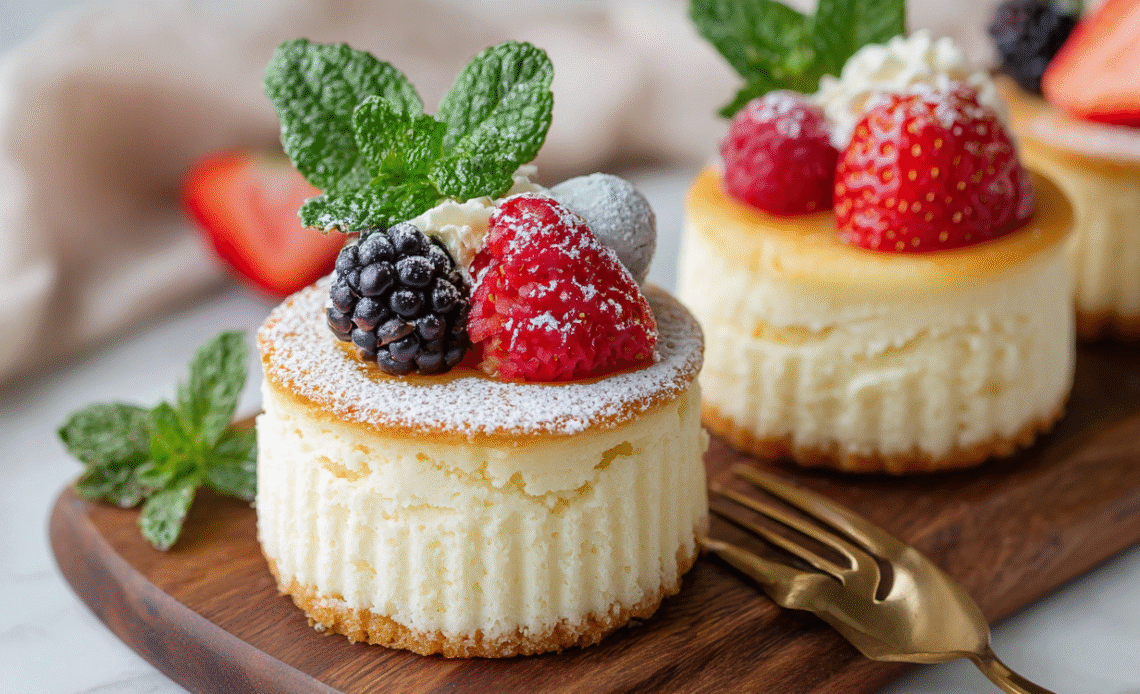
Welcome to Sugar Detox Lab, where we explore the beautiful balance between nourishment and delight. A common myth in the world of wellness is that enjoying dessert means choosing between heavy, sugar-laden treats or bland, unsatisfying alternatives. We’re here to shatter that myth by introducing you to a dessert that feels like a cloud and tastes like a dream: Japanese Cotton Cheesecake Cupcakes. These ethereal treats offer the rich, creamy essence of cheesecake transformed into a light, jiggly, and subtly sweet experience. They represent a perfect marriage of indulgence and restraint, proving that the most sophisticated desserts often rely on technique and balance rather than sheer sugar content.
What Are Japanese Cotton Cheesecake Cupcakes and Why Are They Special?
Traditional Japanese cotton cheesecake, also known as Soufflé Cheesecake, is a celebrated dessert that masterfully combines elements of Western cheesecake and a soufflé. The full-sized cake is renowned for its dramatic, jiggly texture, golden top, and incredibly moist, cotton-soft crumb. It’s significantly less sweet and dense than its New York-style counterpart, focusing instead on a delicate eggy and creamy flavor.
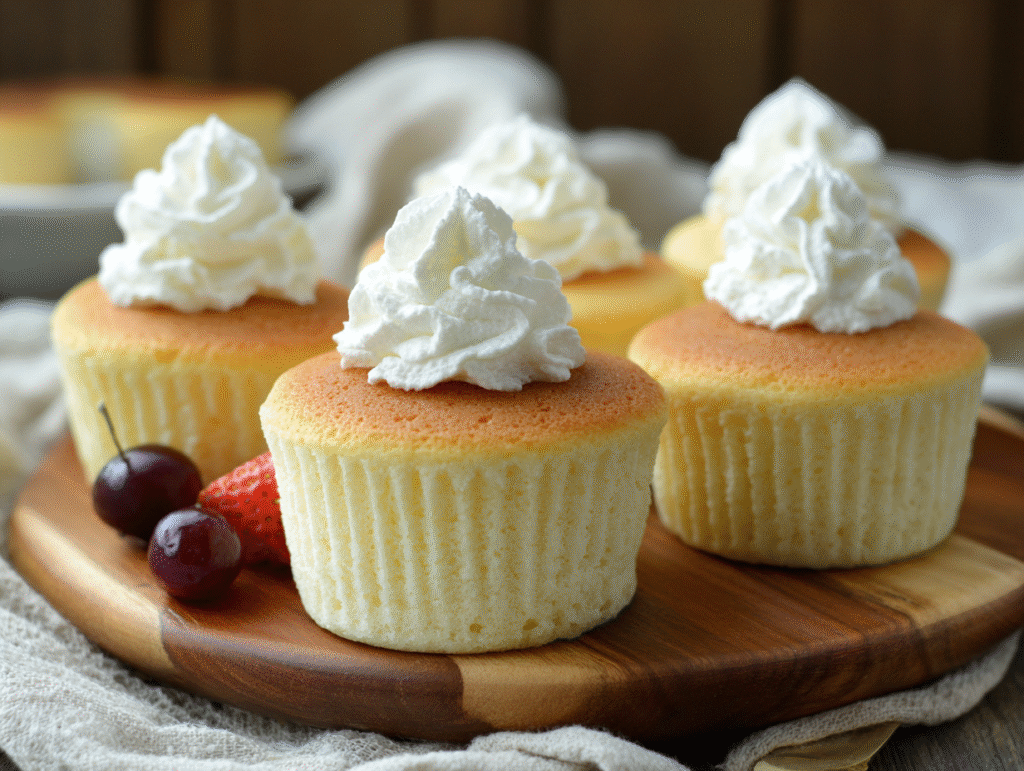
Our Japanese Cotton Cheesecake Cupcakes take this iconic dessert and reinvent it in a portion-controlled, bake-friendly format. The “cupcake” approach offers numerous advantages: individual servings naturally manage portions, they bake more quickly and evenly than a whole cake, and they eliminate the stress of slicing a delicate dessert. This version matters for the health-conscious baker because its foundational philosophy is one of moderation. By design, it uses less sugar and cream cheese per serving than a standard cheesecake, and its incredible airy texture satisfies with finesse rather than heaviness. It’s a mindful choice that doesn’t feel like a compromise.
A Nutritional Perspective on the Ingredients
While this is a dessert, its composition allows for thoughtful consideration and adaptation:
- The Cream Cheese Foundation: Cream cheese provides the signature tang and richness. It’s a source of fat and protein, which can help promote satiety. Opting for full-fat versions often means fewer additives and a cleaner ingredient list compared to some low-fat varieties.
- The Science of Structure: Eggs: Eggs are the star here, responsible for the lofty, soufflé-like rise. The whites, whipped to stiff peaks with a portion of the sugar, create a network of air bubbles that give the cake its signature “cotton” texture. The yolks add richness and emulsify the batter. Eggs are a complete protein and provide essential nutrients.
- Mindful Sweetening: This recipe uses only ¼ cup of granulated sugar for the entire batter, plus a dusting of powdered sugar. This is remarkably low for a dozen cupcakes. The modest sugar content allows the delicate flavors of cream cheese, vanilla, and eggs to shine. For those monitoring blood sugar, understanding the concept of the glycemic index is useful, and the protein and fat in this recipe help slow the absorption of the sugars present.
- Dietary Considerations: As written, this recipe is vegetarian. It is not gluten-free (due to all-purpose flour), keto, paleo, or sugar-free. However, it is an excellent candidate for adaptation. A gluten-free 1:1 flour blend can replace the all-purpose flour. Sugar substitutes like monk fruit or erythritol can be used to create a truly sugar-free version, though texture may vary slightly.
Mastering the Method: Tips for Cloud-Like Success
The magic of this dessert lies in its technique. Here are the key challenges and how to overcome them:
- Egg White Mastery: This is the most critical step. Your bowl and beaters must be completely clean and free of any fat (yolk, oil), or the whites will not whip properly. Whip to stiff, glossy peaks that hold their shape when the whisk is lifted. Under-whipping will result in a dense cake.
- Gentle Folding: Incorporating the fluffy meringue into the cream cheese batter requires a light touch. Use a spatula and fold gently, turning the bowl, to preserve as many air bubbles as possible. Overmixing will deflate the batter and lead to a flat result.
- The Water Bath (Bain-Marie): Baking in a water bath is non-negotiable. It creates a humid oven environment that ensures gentle, even heating, preventing the cakes from cracking, drying out, or rising too quickly and then collapsing. The cupcake format makes this easier—just place your muffin tin inside a larger roasting pan filled with hot water.
- The Dreaded Deflation: To prevent collapse, do not open the oven door during the first 20 minutes of baking. After baking, let the cupcakes cool gradually in the turned-off oven with the door slightly ajar to ease them down from their lofty height.
Tips and Trends for Conscious Baking
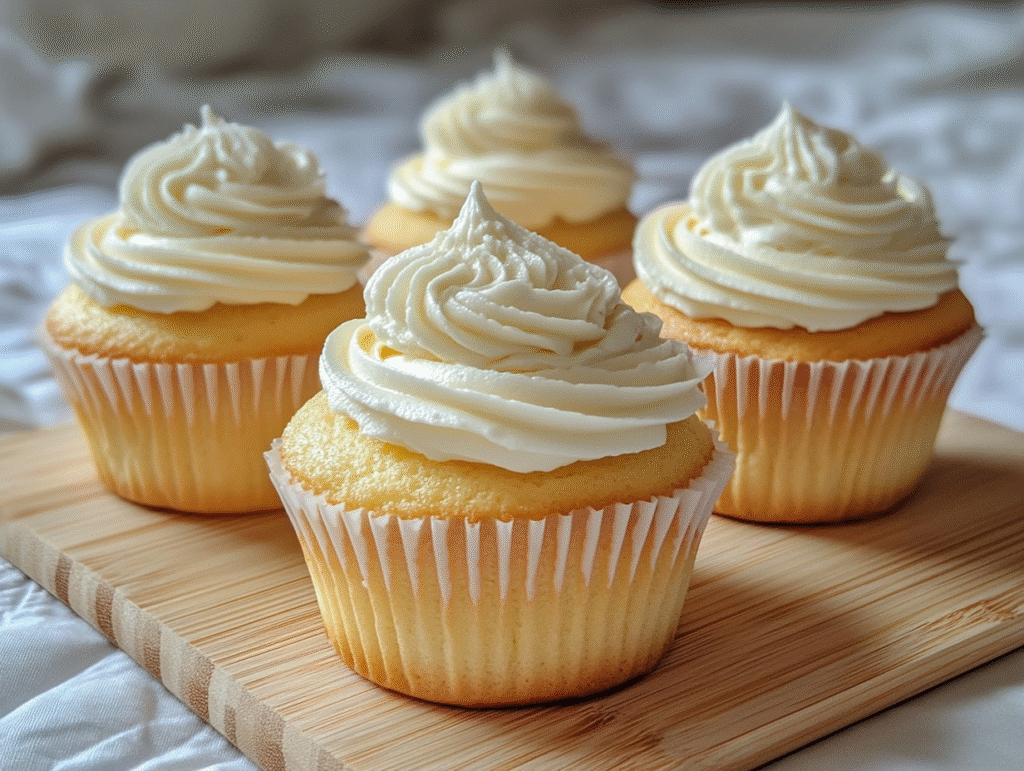
Baking intricate desserts like these Japanese Cotton Cheesecake Cupcakes is a form of mindful practice. The focus required—separating eggs, whipping meringue, gentle folding—is a meditation in patience and precision. AI-powered recipe apps can help you perfectly time each stage. The trend towards “texture-based” desserts (jiggly, bouncy, fluffy) celebrates sensory experience over mere sweetness, aligning perfectly with a less-is-more sugar philosophy. Investing in an oven thermometer to ensure accurate temperature is a small step that guarantees big results for delicate bakes like this one.
Frequently Asked Questions (FAQ)
Question: Why did my cupcakes collapse or sink drastically in the middle?
Answer: This is usually caused by under-baking, opening the oven door too early, or over-folding the meringue (which deflates the air bubbles). Ensure they are just set with a slight jiggle, do not open the oven for the first 20 minutes, and fold the meringue with a very gentle hand. Some slight sinking is normal and expected.
Question: Can I make this without a water bath?
Answer: We do not recommend it. The water bath is essential for providing gentle, moist heat. Without it, the oven’s dry heat will cause the cupcakes to rise too quickly, crack, and likely collapse, resulting in a dense, rubbery texture instead of a cottony one.
Question: My egg whites won’t whip up stiff. What did I do wrong?
Answer: The most common culprits are: 1) A trace of fat (yolk, oil) in the bowl or on the beaters, 2) Using a plastic bowl that may retain grease, or 3) Getting any amount of yolk into the whites. Ensure everything is meticulously clean and that your egg separation is perfect.
Question: Can I use lemon juice instead of vanilla?
Answer: Yes, absolutely. The juice of half a lemon (about 1 tablespoon) added with the wet ingredients will create a lovely, bright citrus flavor profile that pairs beautifully with the cream cheese.
Conclusion
These Japanese Cotton Cheesecake Cupcakes are a testament to the elegance of simplicity and technique. They offer a profoundly satisfying dessert experience that is rich in flavor yet light in body and moderate in sweetness. We encourage you to embrace the process, enjoy the quiet focus of whipping and folding, and delight in the impressive, cloud-like results.
Perfect for a special afternoon treat or a refined end to a meal, these cupcakes are sure to impress anyone who tries them. Share them with someone who appreciates the art of baking. For more recipes that explore the delicious intersection of world cuisine and mindful eating, continue your journey through the Sugar Detox Lab collection. We’d love to hear about your baking adventure in the comments below.