

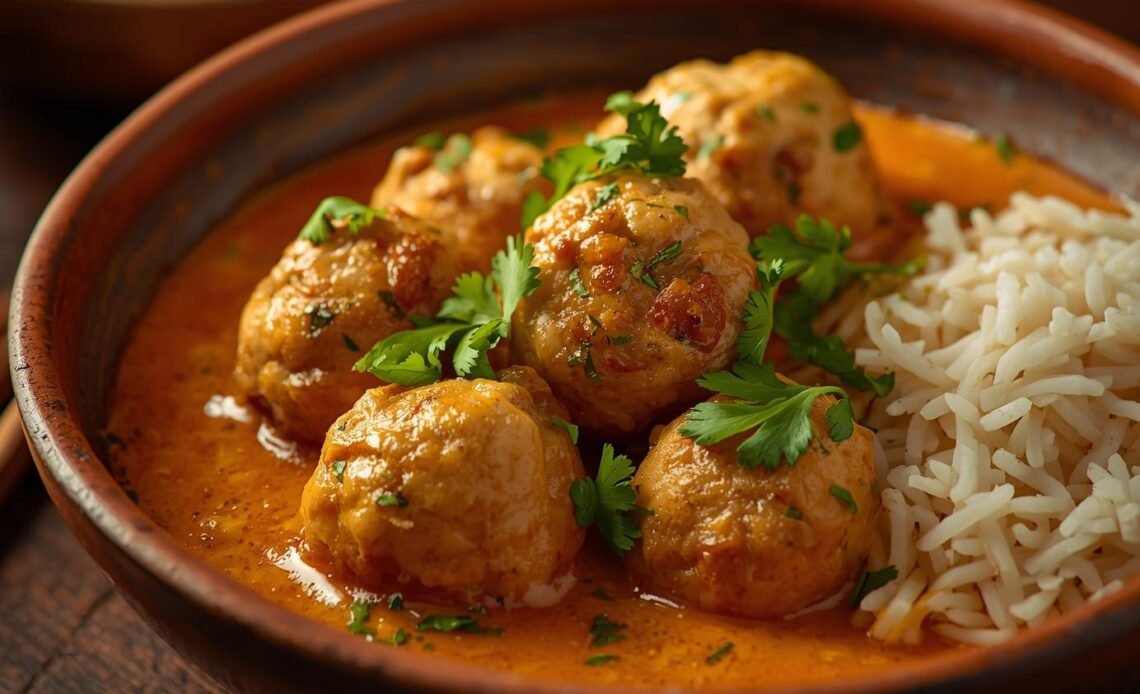
Welcome to Sugar Detox Lab, where we believe that nourishing your body should be a joyous, flavorful adventure. Committing to a lower-sugar or health-focused diet can sometimes feel like you’re missing out on the world’s vibrant cuisines. The good news? You don’t have to. With a few smart swaps, you can enjoy global flavors without compromise. Today, we’re bringing the aromatic, comforting taste of Thailand straight to your kitchen with our Thai Chicken Meatballs in Coconut Curry. This dish is a perfect symphony of savory, spicy, and creamy, designed to delight your senses while supporting your wellness goals.
What Is Thai Chicken Meatballs in Coconut Curry and Why It Matters?
This dish is a fusion of two Thai staples: gaeng (curry) and meatballs, often found in soups or as appetizers. Traditional Thai curries are a masterclass in balance, building flavor from curry paste, coconut milk, fish sauce, and a touch of palm sugar. While incredibly delicious, restaurant or takeout versions can sometimes be high in sugar, sodium, and calories from excessive oil or sweeteners.
Our version of Thai Chicken Meatballs in Coconut Curry reimagines this classic for the health-conscious home cook. We keep the soul of the dish intact—the fragrant curry paste, rich coconut milk, and essential umami from fish sauce—but we take control of the ingredients. By using lean ground chicken for the meatballs and carefully measuring the small amount of unrefined brown sugar (with easy sugar-free alternatives provided), we create a meal that is satisfying but not heavy. This approach allows you to indulge in the complex, comforting flavors of Thai cuisine as part of a balanced, sugar-aware lifestyle.
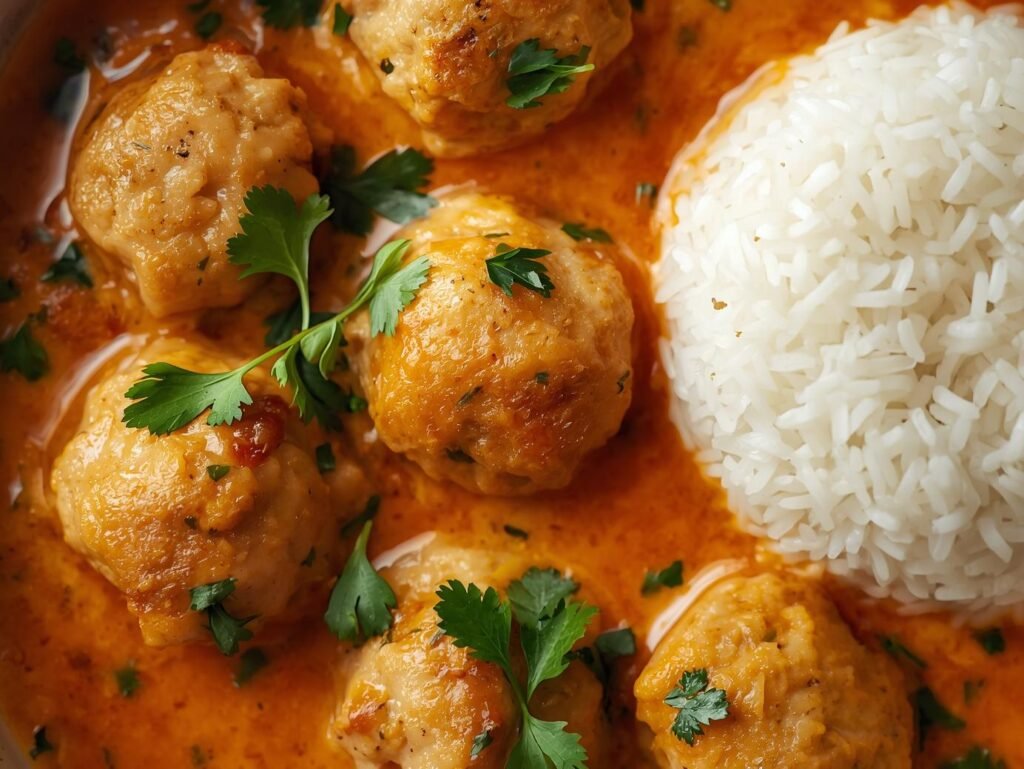
The Nourishing Benefits in Every Bite
This dish is more than just a taste sensation; it’s built with ingredients that offer genuine nutritional value:
- Ground Chicken: A fantastic source of lean protein, which is crucial for muscle maintenance, promoting satiety, and helping to stabilize blood sugar levels, reducing the urge for sugary snacks.
- Coconut Milk: Provides medium-chain triglycerides (MCTs), a type of fat that the body can use efficiently for energy. It also adds a dairy-free creaminess that makes the sauce luxuriously satisfying.
- Aromatics (Ginger, Garlic, Onion): This trio forms the flavor foundation and offers anti-inflammatory and immune-supporting properties. Ginger, in particular, is renowned for its digestive benefits.
- Red Curry Paste: Typically made from red chilies, garlic, lemongrass, and galangal, it delivers a powerful antioxidant punch and capsaicin from the chilies, which may offer a slight metabolic boost.
- Fish Sauce: A cornerstone of Southeast Asian cooking, fish sauce is a fermented product that provides a deep, savory umami flavor, allowing you to use less salt overall.
This Thai Chicken Meatballs in Coconut Curry can be adapted to fit various eating styles. Served with cauliflower rice, it becomes a fantastic low-carb or keto meal. By using coconut aminos and a certified vegan fish sauce alternative, it can be made paleo-friendly. It’s naturally gluten-free when using tamari instead of soy sauce, making it a versatile centerpiece for clean eating.
Navigating Challenges and Practical Tips
To ensure your culinary success, let’s address a few common questions:
- Finding Red Curry Paste: Look for it in the international aisle of most major supermarkets. Read the label to choose a brand without added sugars or artificial preservatives for the cleanest flavor.
- Managing Spice Level: The heat in this dish comes primarily from the red curry paste. Start with 1 tablespoon if you’re sensitive to spice. You can always add more at the end. The coconut milk beautifully mellows the heat, creating a balanced sauce.
- Meatball Texture: The key to tender meatballs is not to overmix. Gently combine the ingredients until just incorporated. Overworking the meat can lead to dense, tough meatballs.
- Meal Timing: While the active cook time is reasonable, the process has several steps. Our pro tip: make the meatball mixture ahead of time (even the night before) and store it covered in the fridge. This breaks up the work and makes weeknight cooking a breeze.
Tips and Trends for Smart, Healthy Cooking
Integrating globally-inspired dishes like this into your routine is easier than ever. Consider using AI-powered recipe apps that can scale ingredients for meal prep or suggest side dishes based on what you’re cooking. For a deeper dive into the science of the ingredients we use, resources like the Glycemic Index database can help you understand how different foods affect your blood sugar. To keep your sauces completely sugar-free, explore alternative curry paste brands or learn to make a simple version at home where you control every ingredient.
Frequently Asked Questions
Question: Can I use ground turkey or pork instead of chicken?
Answer: Absolutely. Ground turkey is a seamless swap. Ground pork will add more richness and a slightly different, but still delicious, flavor. Just ensure whatever meat you use reaches a safe internal temperature of 165°F.
Question: My sauce is too thin. How can I thicken it?
Answer: The sauce will naturally thicken as it simmers with the meatballs. If you’d like it thicker, create a slurry by mixing 1 teaspoon of cornstarch or arrowroot powder with 1 tablespoon of cold water. Stir this into the simmering sauce and cook for 1-2 minutes until thickened.
Question: Is there a substitute for fish sauce? I don’t have any or I’m vegetarian.
Answer: For a vegetarian/vegan version, you can use soy sauce or tamari mixed with a pinch of sugar, or a dedicated vegan “fish” sauce available at many health food stores. The flavor won’t be identical, but it will still be savory and delicious.
Question: Can I freeze this dish for later?
Answer: Yes, it freezes very well. Let the cooked dish cool completely, then transfer to a freezer-safe container for up to 2 months. Thaw overnight in the refrigerator and reheat gently on the stovetop, adding a splash of broth or water if needed.
Conclusion
This Thai Chicken Meatballs in Coconut Curry is more than just a recipe; it’s proof that eating for your health doesn’t mean sacrificing depth, excitement, or comfort at the dinner table. It brings the warmth and complexity of Thai cuisine into your home in a way that aligns with your wellness vision. We hope this dish becomes a cherished favorite, offering a delicious escape and a nourishing meal all in one bowl.
Inspired to try more global, sugar-conscious recipes? Your next culinary adventure awaits in our full collection at sugardetoxlab.com. Share your experience in the comments below—we love hearing how you make these recipes your own!