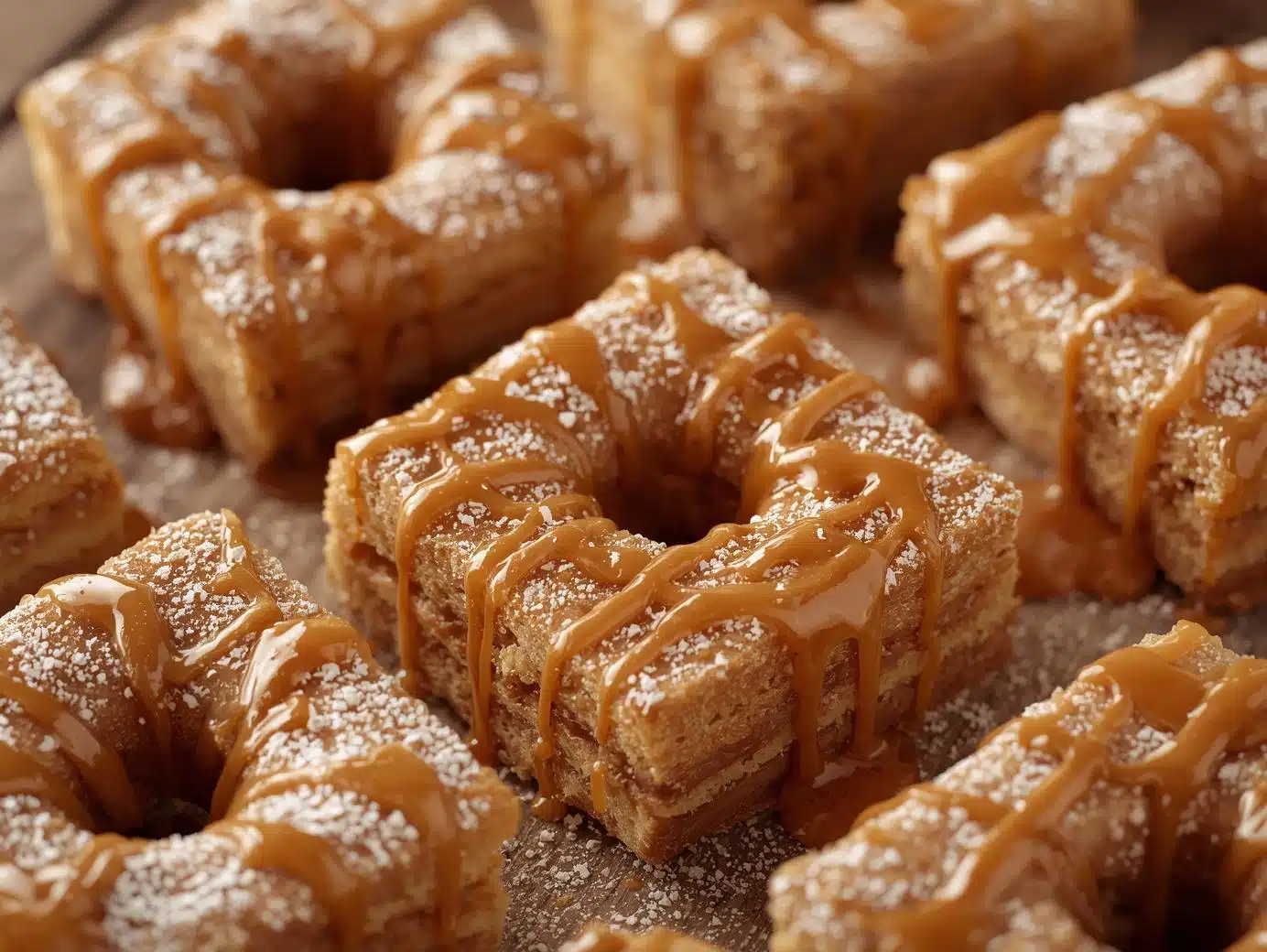


At Sugar Detox Lab, we believe that a joyful, balanced approach to food is the cornerstone of lasting wellness. It’s not about never enjoying a sweet treat; it’s about making those treats with more intention and finding simpler, often smarter, ways to satisfy a craving. Sometimes, the best choice is a dessert that brings everyone together without the fuss. That’s exactly the spirit behind today’s recipe: Maple Donut Bars.
Imagine all the cozy, comforting flavor of a classic cake donut with maple icing—soft, tender, and perfectly sweet—but in an easy-to-share, no-fry, bar form. They’re the ultimate potluck hero, bake sale superstar, or weekend project that fills your kitchen with a warm, inviting aroma. While these Maple Donut Bars are a delightful indulgence, we’ll explore how a few mindful considerations in the baking process and the joy of sharing can make them a wonderful part of a balanced, happy lifestyle.
What Are Maple Donut Bars and Why Do They Matter?
The traditional maple donut is a fried doughnut, either yeast-raised or cake-style, dipped or drizzled with a sugary maple glaze. While delicious, homemade frying can be intimidating and messy, and store-bought versions are often high in trans fats, refined sugars, and artificial flavors.
These Maple Donut Bars matter because they capture the soul of that treat in a much more approachable and slightly more manageable format. By baking them in a simple pan, you eliminate the hassle of frying and the associated extra fat. The cakey, tender crumb comes from buttermilk, giving it that signature donut tang and moisture. Making the glaze at home means you control the quality of the maple syrup and can avoid artificial “maple” flavorings. This recipe is about accessibility and shared joy—creating a dessert that feels special and nostalgic but fits seamlessly into real life, making mindful indulgence easier and more communal.

A Conscious Look at the Comforting Ingredients
Let’s appreciate the simple components that create this beloved flavor and see where we can make intentional observations.
- The Sweet Star: Maple Syrup: Using real maple syrup in the glaze is a non-negotiable for authentic flavor. While it is a natural sweetener, it is still a concentrated source of sugar. However, it contains minerals like manganese and zinc and has a lower glycemic index than refined white sugar, meaning it may cause a slightly slower rise in blood sugar.
- The Magic of Buttermilk: This is the secret ingredient for a supremely tender, moist crumb with a subtle tang. Buttermilk’s acidity reacts with the baking soda, creating lift and tenderness. It’s also a source of probiotics and can be easier to digest for some. If you don’t have it, you can make a soured milk substitute with lemon juice and regular milk.
- Understanding the Sweetness: These bars contain sugar in both the cake base and the powdered sugar glaze. Being aware of this allows for mindful enjoyment. The glaze recipe uses a modest amount of maple syrup for flavor, relying on powdered sugar for consistency. You could opt for a lighter drizzle rather than a thick coat.
- Simplicity as a Virtue: The ingredient list is straightforward—common baking staples you likely have on hand. This aligns with a clean-eating principle of using recognizable ingredients and avoiding highly processed shortcuts.
How It Fits Your Plan: These bars are a conscious, crowd-pleasing treat. They are vegetarian. They are not gluten-free, keto, paleo, vegan, or sugar-free. Their value lies in their simplicity, shareability, and the ability to satisfy a donut craving in a slightly more grounded, homemade way that encourages portion awareness (they are easy to cut into smaller pieces).
Baking Success: Tips for the Perfect Texture & Glaze
Achieving that perfect soft, cakey donut texture in a bar requires a light touch and a few key steps.
- Don’t Overmix the Batter: This is the golden rule for tender cake bars. Once you add the dry ingredients to the wet, mix just until the flour disappears. Overmixing develops the gluten in the flour, leading to a tough, dense bar instead of a soft, tender one.
- The Buttermilk Rule: Ensure your buttermilk, eggs, and butter are all at room temperature. This allows them to emulsify and incorporate more easily, preventing overmixing and ensuring an even rise.
- Testing for Doneness: Ovens vary. Start checking the bars 5 minutes before the timer ends. They are done when the edges are lightly golden and pulling away from the pan, and a toothpick inserted into the center comes out clean or with a few dry crumbs.
- Perfecting the Maple Glaze: The glaze should be thick but pourable. Add the milk or cream one tablespoon at a time. If it becomes too thin, add a bit more powdered sugar. For the best maple flavor, use pure maple syrup, not “pancake syrup.” Let the bars cool completely before glazing, or the glaze will melt and absorb.

The Trend of Simple, Shareable Joy
Modern wellness increasingly values simplicity, community, and the psychological benefits of homemade food. Baking a pan of these Maple Donut Bars is an act of connection—whether you share them with neighbors, coworkers, or family. AI meal planning tools can help you balance your weekly diet, allowing you to mindfully plan for enjoying one as a weekend treat. Furthermore, the trend towards “better” homemade versions of classic treats aligns perfectly with this recipe, allowing you to skip the fried food line and create a warm, shared memory right in your own kitchen.
Maple Donut Bars FAQ
Question: Can I make these bars gluten-free?
Answer: Yes, you can substitute the all-purpose flour with a 1:1 gluten-free baking flour blend. The texture may be slightly more delicate, but it will work well. Ensure your baking powder is gluten-free.
Question: My bars are dense and dry. What went wrong?
Answer: The most common causes are overmixing the batter (which develops gluten) or overbaking. Remember to mix only until the flour is incorporated, and start checking for doneness early. Using a kitchen scale to measure flour (360g) is more accurate than cups and can prevent accidentally using too much.
Question: Can I bake this in a different pan size?
Answer> Yes. For thicker bars, use a 9×9 inch pan and increase the baking time to 35-40 minutes. For a jelly roll pan (10×15), the bars will be thinner; reduce baking time to 18-22 minutes.
Question: The glaze is too sweet for me. How can I adjust it?
Answer> You have a few options: 1) Use a light hand when drizzling the glaze, creating a pattern rather than a solid layer. 2) Add a pinch of salt to the glaze to balance sweetness. 3) Substitute half the powdered sugar with a powdered erythritol blend for a lower-sugar option.
Conclusion
These Maple Donut Bars are a beautiful example of how mindful eating can be simple, shared, and deeply satisfying. They prove that you don’t need complex techniques or obscure ingredients to create a treat that feels special and brings people together. By focusing on real ingredients and the joy of baking, you create more than just a dessert—you create a moment of connection.
We hope this recipe becomes your new go-to for easy, crowd-pleasing treats. Bake a batch, share them, and savor the happy moments they create. Don’t forget to tell us about your experience in the comments below! For more recipes that celebrate balance and simple pleasures, your journey continues at sugardetoxlab.com.