
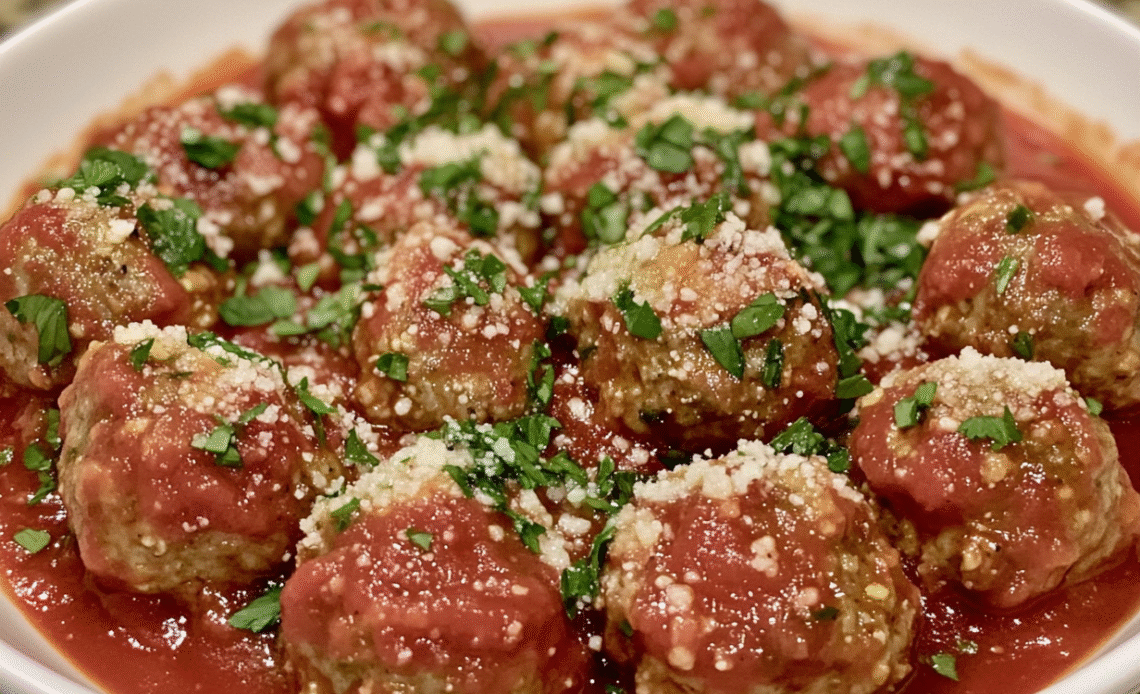
Comfort food has a special place in our kitchens and our hearts, but sometimes, our favorite classics come with a side of guilt—often in the form of hidden sugars, refined carbs, and heavy fats. The journey toward a sugar-conscious lifestyle isn’t about giving up these beloved dishes; it’s about reinventing them with smarter, more nourishing ingredients. Today, we’re focusing on a family favorite that often hides unnecessary additives: the humble meatball. By introducing one simple, creamy ingredient, we can transform them into something extraordinary. Welcome to the world of Ricotta Meatballs—a recipe that promises unparalleled tenderness, rich flavor, and a better fit for your wellness goals.
These aren’t your average, dense meatballs. Incorporating ricotta cheese is a game-changing technique that yields a melt-in-your-mouth texture while adding valuable protein and calcium. For anyone monitoring sugar intake, this recipe provides a fantastic foundation. By carefully selecting your marinara sauce, you control the sugar content, turning a potentially problematic pantry staple into a clean, flavorful component. Let’s explore how these Ricotta Meatballs can become a staple in your healthy, happy kitchen.
What Are Ricotta Meatballs and Why Do They Matter?
Traditional meatball recipes vary by region and family, but they commonly rely on a blend of meats, breadcrumbs, egg, and seasonings, simmered in a tomato sauce. The goal is tenderness, which is often attempted by using a higher fat content in the meat or soaking bread in milk. While delicious, this can result in a heavier, greasier final product. Furthermore, many jarred marinara sauces contain significant added sugars to combat acidity.
Our Ricotta Meatballs recipe matters because it addresses these points elegantly. The ricotta cheese is the star. It introduces moisture and fat in a lighter, protein-rich form, ensuring the meatballs stay tender without becoming greasy. It also allows us to use leaner meat blends without sacrificing juiciness. From a sugar-detox perspective, this recipe puts you in control. By making your own sauce or diligently choosing a no-sugar-added marinara, you eliminate a major source of hidden sugars. This version proves that with one clever swap, you can achieve superior texture and cleaner ingredients.
Health Benefits of Ricotta Meatballs
This recipe cleverly combines ingredients that contribute to a satisfying and balanced meal.
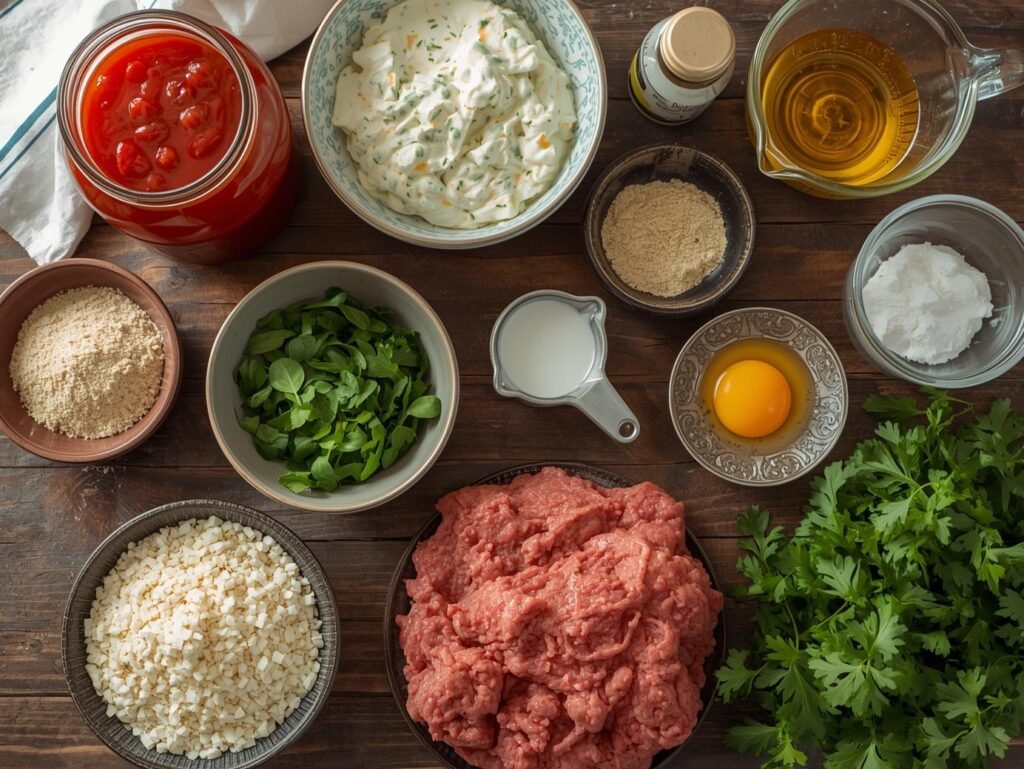
- High-Quality Protein Powerhouse: The combination of ground chuck and pork provides a complete amino acid profile, essential for muscle repair and satiety. The ricotta cheese adds an additional boost of protein and calcium.
- The Ricotta Advantage: Ricotta is a fresh cheese that’s typically lower in sodium and fat than many aged cheeses. It’s a good source of calcium for bone health and contains whey protein, which may support muscle synthesis. You can learn more about the role of dairy products in nutrition.
- Smart Flavor Building: Using a blend of aromatics like onion and garlic, along with dried and fresh herbs, builds deep flavor without needing excess salt or sugar-laden seasoning packets.
- Dietary Flexibility: This recipe is a fantastic canvas for adaptation. For a lower-carb or gluten-free version, the breadcrumbs can be replaced with almond flour or crushed pork rinds. To align with a keto macros, ensure your marinara sauce is sugar-free and consider a higher-fat meat blend.
Challenges and Practical Tips
Even a simple recipe can have its hurdles. Here’s how to ensure your meatballs are perfect every time.
- Choosing the Right Marinara: This is the most critical step for a sugar-conscious cook. Scrutinize labels for “no sugar added” or make a quick homemade version using canned crushed tomatoes, garlic, and herbs.
- Preventing Tough Meatballs: The cardinal rule of meatball making: do not over-mix. Gently combine the ingredients until just incorporated. Overworking the meat activates proteins that can make the final texture rubbery.
- Achieving the Perfect Cook: Browning the meatballs in a skillet before simmering in sauce is non-negotiable. This step creates a flavorful crust via the Maillard reaction, which adds immense depth and prevents the meatballs from becoming bland and steamed.
- Managing Moisture: Ricotta can vary in wetness. If your meatball mixture feels too soft to hold a shape, add a few more tablespoons of breadcrumbs or almond flour until it is workable.
Tips and Trends for Conscious Cooking
In today’s kitchen, technology and tradition blend seamlessly. This Ricotta Meatballs recipe is perfect for AI meal planners, which can schedule it for a weekend batch-cooking session and generate your grocery list. The trend is moving towards “functional swaps”—like using ricotta for tenderness instead of extra fat, or almond flour for breadcrumbs. These small changes create significant cumulative health benefits. Utilizing a good digital thermometer (meatballs are done at 165°F internally) is a modern tool that ensures both safety and perfect texture every time.
Frequently Asked Questions (FAQ)
Question: Can I bake these ricotta meatballs instead of pan-frying and simmering?
Answer: Absolutely. For a hands-off method, place the formed meatballs on a parchment-lined baking sheet, drizzle with olive oil, and bake at 400°F for 18-22 minutes, until cooked through. You can then add them to warmed marinara sauce. Baking yields a slightly different texture but is a great, less messy option.
Question: My meatball mixture is very wet. How can I fix it so they hold their shape?
Answer: This can happen if the ricotta is particularly moist. Add more breadcrumbs or your chosen binder (almond flour, etc.), one tablespoon at a time, until the mixture is firmer and easily holds a ball shape when rolled.
Question: Can I use all beef or all pork instead of a blend?
Answer: Yes, but the blend provides the best flavor and texture. Using all beef (especially lean beef) may result in slightly drier meatballs. Using all pork will be richer. A 50/50 blend is highly recommended. For more on the culinary uses of different meats, see ground meat.
Question: Is there a dairy-free substitute for the ricotta that will still keep the meatballs tender?
Answer: For a dairy-free version, you can try using a plain, unsweetened dairy-free yogurt (thick, Greek-style if possible) or a soft, drained tofu. The texture will be different, but it will add moisture. You may need to adjust the amount of breadcrumbs to compensate for added liquid.
Conclusion
These Ricotta Meatballs are more than just a dinner recipe; they represent a smarter way to enjoy the comforting classics we love. By embracing ingredients like ricotta for tenderness and taking control of your sauce, you create a meal that is deeply satisfying, protein-packed, and aligned with a sugar-aware lifestyle. They are perfect for a family dinner, meal prep, or even a special occasion.
We encourage you to give this recipe a try and experience the magical tenderness that ricotta brings. Share your results or your favorite way to serve them in the comments below. For more recipes that cleverly upgrade your comfort food favorites, continue exploring all we have to offer at SugarDetoxLab.com.